Almond prices reach 100 lira per kilogram on Şanlıurfa exchange as regional acreage expands
In-shell almond traded between 62.83 and 100 Turkish lira per kilogram on the Şanlıurfa Commodity Exchange in its 10 September 2026 bulletin, with an average of 81.41 lira across two registered deals. The province holds about 70,000 decares of almond orchards, roughly 10% of Turkey's total and second nationally. Remote sensing has identified some 2.5 million almond trees in Şanlıurfa, of which about 1.5 million are of bearing age.
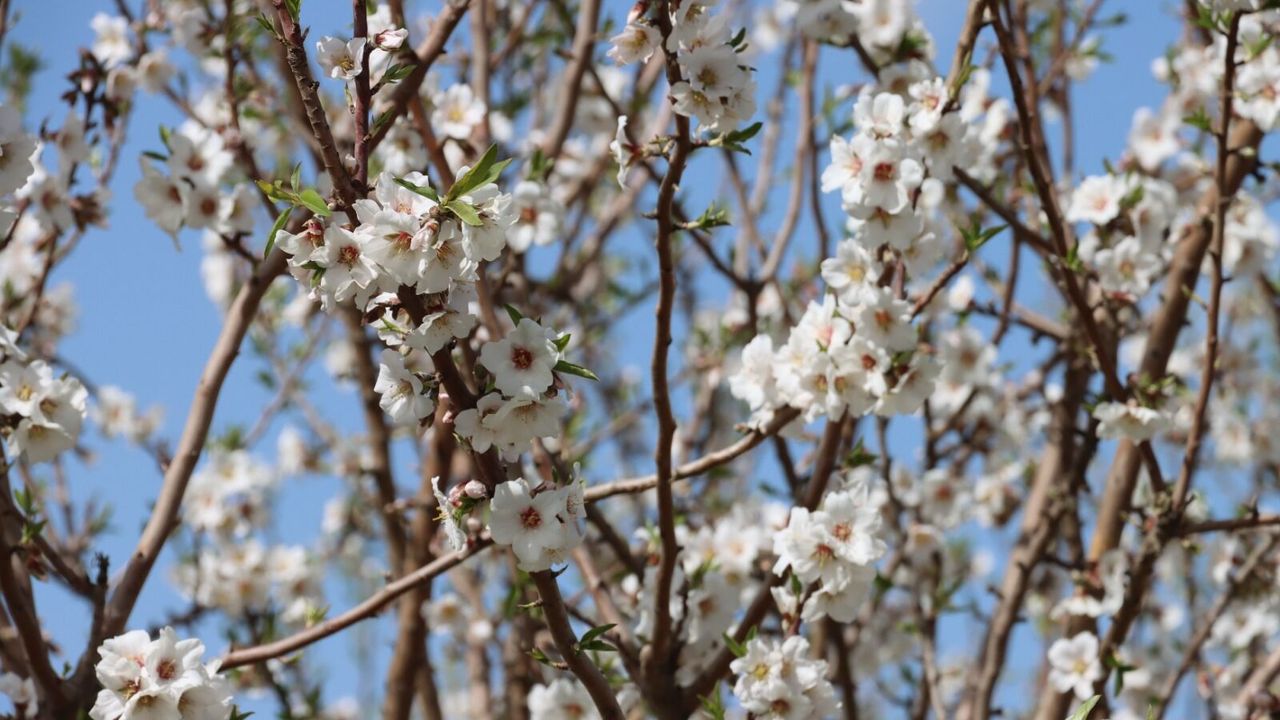
In-shell almond traded between 62.83 and 100 Turkish lira per kilogram on the Şanlıurfa Commodity Exchange in the bulletin dated 10 September 2026, the regional outlet urfanatik.com reported, citing the exchange's own price data. The average across two registered transactions came to 81.41 lira per kilogram, with total registered volume of 2,733 kilograms.
The 100-lira print is the highest level shown for the crop in the exchange's current bulletin. It arrives as almond gains weight in the crop mix of a province long defined by cotton, pistachio, lentil and isot pepper.
A thin market with a wide spread
Two deals and 2,733 kilograms make for a narrow sample, and the exchange notes that the figures cover registered transactions only. They do not represent retail prices across the province or the selling prices of all producers, according to the bulletin as reported by urfanatik.com.
The gap between the low and high of the session is the more informative number. At roughly 59% between 62.83 and 100 lira, the range points to sharp differentiation by quality, kernel yield and lot size rather than to a single clearing price for Şanlıurfa almond.
Second-largest almond area in Turkey
Data published by the Şanlıurfa Provincial Directorate of Agriculture and Forestry on 16 September 2024 put the province's almond area at about 70,000 decares, equivalent to some 7,000 hectares. Turkey's total almond area was given as 687,000 decares, or about 68,700 hectares, in the same release. That gives Şanlıurfa close to 10% of the national area and second place among Turkish provinces.
Remote sensing work cited in the release identified around 2.5 million almond trees across the province, of which roughly 1.5 million were of bearing age. The remaining million trees represent production capacity that has been planted but has yet to reach the market.
Hilvan and the move out of rainfed cereals
Hilvan has emerged as one of the main centres of almond growing in the province. The 2024 directorate data recorded 665,000 almond trees in the district, of which about 400,000 were bearing fruit.
Producers in the district's rural neighbourhoods who were unable to secure adequate yields from wheat, barley and lentil under rainfed conditions have turned to orchards in recent years, urfanatik.com reported. Almond's relatively early entry into production compared with some other fruit species has also shaped grower choices. In 2024 a project titled "Establishment of a Hard-Shelled Fruit Producers Union in Hilvan District and Development of Agricultural Industry" was launched by the GAP Regional Development Administration, the Hilvan District Governorship, the District Directorate of Agriculture and Forestry and the Hilvan Chamber of Agriculture. Machinery and equipment support went to 44 producers:
- 20 almond shaking machines
- 20 almond hulling machines
- 20 hoeing machines
The stated aims were to bring producers under a single organisation, ease the marketing of output, develop almond-based agricultural industry and reduce seasonal migration from the district.
What determines the next stage
The published figures show almond becoming more visible among Şanlıurfa's agricultural products. The sector's position in coming years will be shaped by non-bearing trees entering production over time, by the development of processing facilities and by wider marketing channels, according to urfanatik.com.
Because much of the expansion sits on rainfed land, output will remain exposed to rainfall from season to season. The province's current standing in almond area and production volume will become clearer with the release of new official data.