Sanctions and higher costs weaken walnut sales in Iran as some prices rise 50%
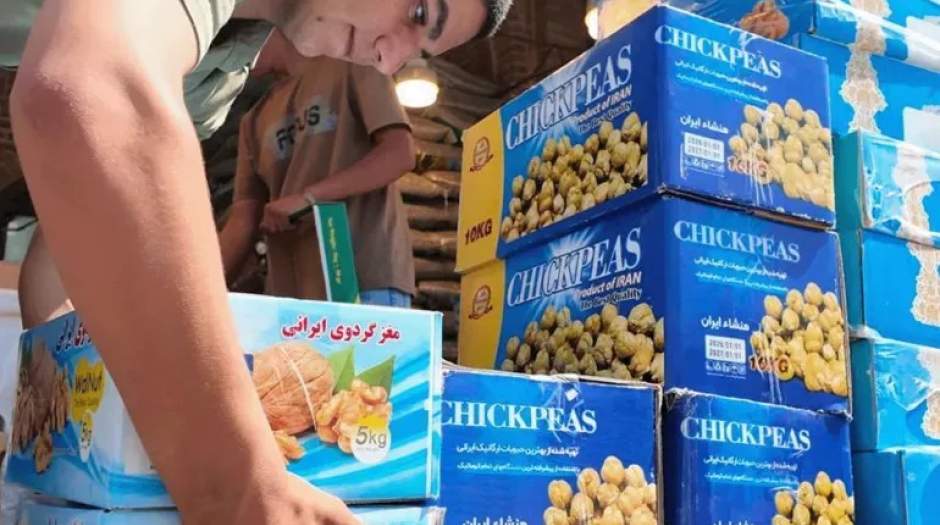
Iranian walnut sellers are facing weaker sales as sanctions and rising merchandise and labor costs strain the market. Mardomsalari, citing Al Jazeera, reported that prices for some walnut varieties were about 50% higher than last year.
Higher costs translate into weaker sales
Iran’s walnut market is coming under pressure from sanctions and rising operating costs, with sellers reporting lower sales and sharply higher prices for some varieties. Mardomsalari, citing a report by Al Jazeera, said that increases in the cost of merchandise and labor had reduced the volume of sales. The price of some types of walnuts handled by a trader featured in the report was about 50% higher than a year earlier.
The reported increase shows how quickly higher costs can move through a market where buyers may be unable or unwilling to absorb more expensive products. A 50% year-on-year rise for selected varieties does not establish a uniform national price increase, but it points to significant pressure within parts of the supply chain. The source material does not provide absolute prices, traded volumes or a breakdown of the contribution from labor and merchandise costs.
Sanctions add friction across the supply chain
Sanctions are identified as an additional constraint on walnut sales in Iran. The available report does not quantify their direct effect or specify which transactions have been disrupted. Their commercial significance nevertheless extends beyond the final selling price: restrictions can complicate payments, access to imported inputs, logistics and dealings with foreign counterparties. For traders, each additional cost or delay can reduce the margin available to purchase walnuts from growers and hold stocks for later sale.
For producers and processors, weaker sales create a difficult balance. Raising prices may be necessary to cover labor and merchandise expenses, but higher prices can further suppress demand. Absorbing those increases protects sales only by narrowing margins. Businesses with limited working capital are particularly exposed because the report describes costs rising while merchandise is moving more slowly.
Trade implications remain difficult to measure
The information provided does not state how much of the pressure concerns Iran’s domestic market and how much affects exports. It also gives no figures for walnut production, export volumes, destinations or international benchmark prices. As a result, the reported 50% increase should be read as evidence from particular walnut varieties and transactions, rather than as a national average or an export-price index.
Even with those limits, the direction of the market signal is clear: merchandise and labor have become more expensive, selling prices for some walnuts have risen substantially, and sales have declined. Growers, processors and traders will need to watch whether buyers switch to cheaper grades, reduce purchases or seek alternative suppliers. Importers dealing with Iranian counterparties will also have to assess sanctions-related payment and execution risks separately from the underlying price of the product.