Russian vegetable prices fall with harvest arrivals despite tighter annual supply
Russian potato and vegetable prices are declining as the domestic harvest reaches the market, partially reversing sharp annual increases caused by tighter supply. Growers had reduced planting after last year's price collapse, while the 2026 harvest is progressing broadly in line with 2025.
Harvest pressure reverses recent price gains
Russian potato and vegetable prices have entered their seasonal decline as harvesting expands across the country, even though the market remains tighter than a year earlier. The Ministry of Agriculture expects a more pronounced reduction in wholesale and retail prices as larger volumes of domestically grown produce reach buyers.
The adjustment follows a volatile period for growers and consumers. Kommersant reported that the Russian vegetable market had moved into a phase of contracting supply after farmers responded to the previous year's record price collapse among basic food products. Data cited by Delovoy Peterburg showed that the retail cost of vegetables in the so-called borscht basket — cabbage, beetroot, onion, carrot and potato — subsequently rose by 17% to 39% over a year.
Potato producer price drops to 26.3 rubles per kilogram
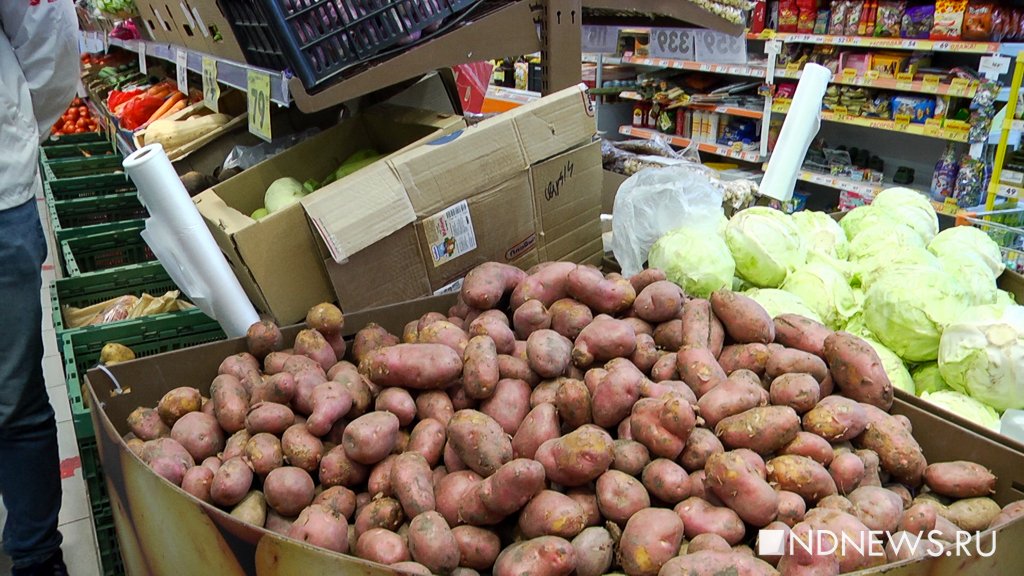
The arrival of the new crop is now pushing prices in the opposite direction. According to the Ministry of Agriculture, the average potato price received by producers fell by 12.3% over the latest month and stood at 26.3 rubles per kilogram on September 2. Wholesale tomato prices declined by 10% over the same period.
The decreases were even more visible at retail for several staple vegetables. Consumer potato prices dropped by 16.5%, white cabbage by 16.4%, carrots by 12.6%, table beetroot by 11.8% and bulb onions by 8.2%. The ministry said seasonal declines traditionally begin with mass harvesting and should deepen as domestic deliveries continue to increase.
Open-field harvest reaches 1.6 million tonnes
Potato and open-field vegetable harvesting is under way in almost all Russian regions. Farmers had collected about 1.6 million tonnes of open-field produce by September 7, according to the ministry. That volume was in line with the amount gathered by the same point in 2025, despite difficult weather conditions at the beginning of the campaign.
The comparison suggests that the early weather disruption has not created a delay against last year's harvesting schedule. However, matching the previous year's pace does not by itself remove the effects of growers' planting decisions. Reduced supply over the broader annual cycle can keep average prices elevated even when a concentrated flow of fresh produce produces substantial month-on-month declines during the harvest.
Production supports food-security targets
Life.ru reported that Russia harvested 8.5 million tonnes of potatoes and 7.6 million tonnes of other vegetables in 2025. Those volumes brought the country closer to the vegetable self-sufficiency target set by its Food Security Doctrine, while potatoes had already reached the prescribed threshold.
For producers, the current fall in prices increases the importance of harvest timing, storage capacity and sales planning. Buyers and processors are gaining access to cheaper domestic raw materials, but the contrast between annual increases and seasonal declines shows that market conditions can differ sharply depending on the comparison period. The next phase will depend on how much of the crop reaches storage and how quickly fresh supply is absorbed after the peak harvesting period.