Russian vegetable oil output rises 6.1% as rapeseed oil leads growth
Russia increased production of major vegetable oils by 6.1% in the 2025/2026 agricultural season. Rapeseed oil drove the expansion with 26.9% growth, while sunflower oil remained at 7.3 million tonnes.
Rapeseed oil drives production growth
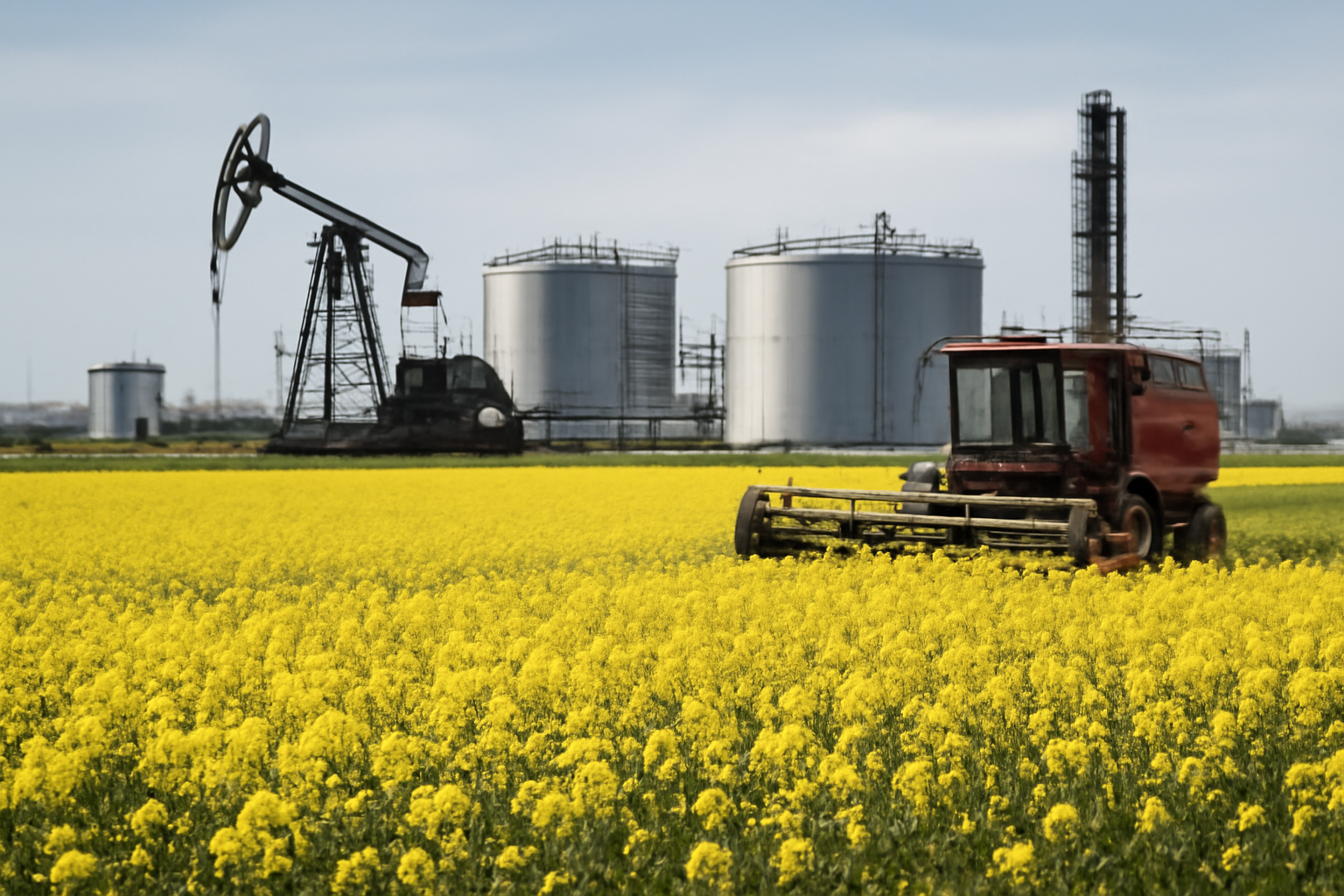
Russia’s production of the main vegetable oils increased by 6.1% in the 2025/2026 agricultural season, Kommersant reported. The largest contribution came from rapeseed oil, whose output rose by 26.9%. The figures show that growth was concentrated outside sunflower oil, traditionally the largest segment of the Russian vegetable oil industry.
The increase raises demand for oilseed crushing and gives processors more product to place in domestic and foreign markets. The source did not provide the absolute volume of rapeseed oil production, but the reported growth rate was substantially higher than for the other major oils. This makes rapeseed the principal source of incremental output during the season and increases the industry’s dependence on the ability of logistics networks to move additional volumes.
Sunflower oil holds steady at 7.3 million tonnes
Sunflower oil production remained unchanged from the previous season at 7.3 million tonnes, according to OleoScope data cited by Kommersant. The stable result means that the country’s overall 6.1% increase was not driven by its core oil category. For sunflower seed crushers, the absence of production growth also suggests that additional supply from other oilseeds accounted for the expansion in aggregate processing.
Soybean oil output increased by 7.5% to 1.1 million tonnes. This was a more moderate percentage gain than for rapeseed oil, but it added production in a segment with a substantially larger stated volume than linseed oil. Together, the soybean and rapeseed results broadened the production increase beyond the dominant sunflower oil market.
Linseed oil expands from a small base
Linseed oil recorded the fastest proportional expansion among the oils for which absolute figures were reported. OleoScope estimated that production rose from 16,000 tonnes to 72,000 tonnes in the 2025/2026 season. Despite the multiple increase, Kommersant described the resulting volume as insignificant relative to the main vegetable oils. It therefore had a limited effect on total industry output compared with larger categories.
Exports remain central to the economics of Russian vegetable oil processing. According to Kommersant, between 56.2% and 88.9% of vegetable oil volumes are shipped abroad, depending on the product. That range means additional crushing output must be matched by sufficient access to export routes and buyers. Existing logistical restrictions could reduce oilseed processing in the new season, the publication reported, even though they are unlikely to persuade farmers to cut planted area. If sowing remains firm while processing slows, crushers and traders will face greater pressure to coordinate raw-material purchases, storage and export deliveries. The production increase therefore expands potential exportable supply, but its commercial impact will depend on whether logistics can absorb the additional oil without constraining crushing activity.