Russian steel prices reverse in August as output weakens and demand stays subdued
Russian ferrous-metal prices began retreating in the second half of August 2026 after rising earlier in the month, while steel output and capacity utilization remained under pressure. Non-ferrous metals held firmer, supported by global shortages and a weaker dollar.
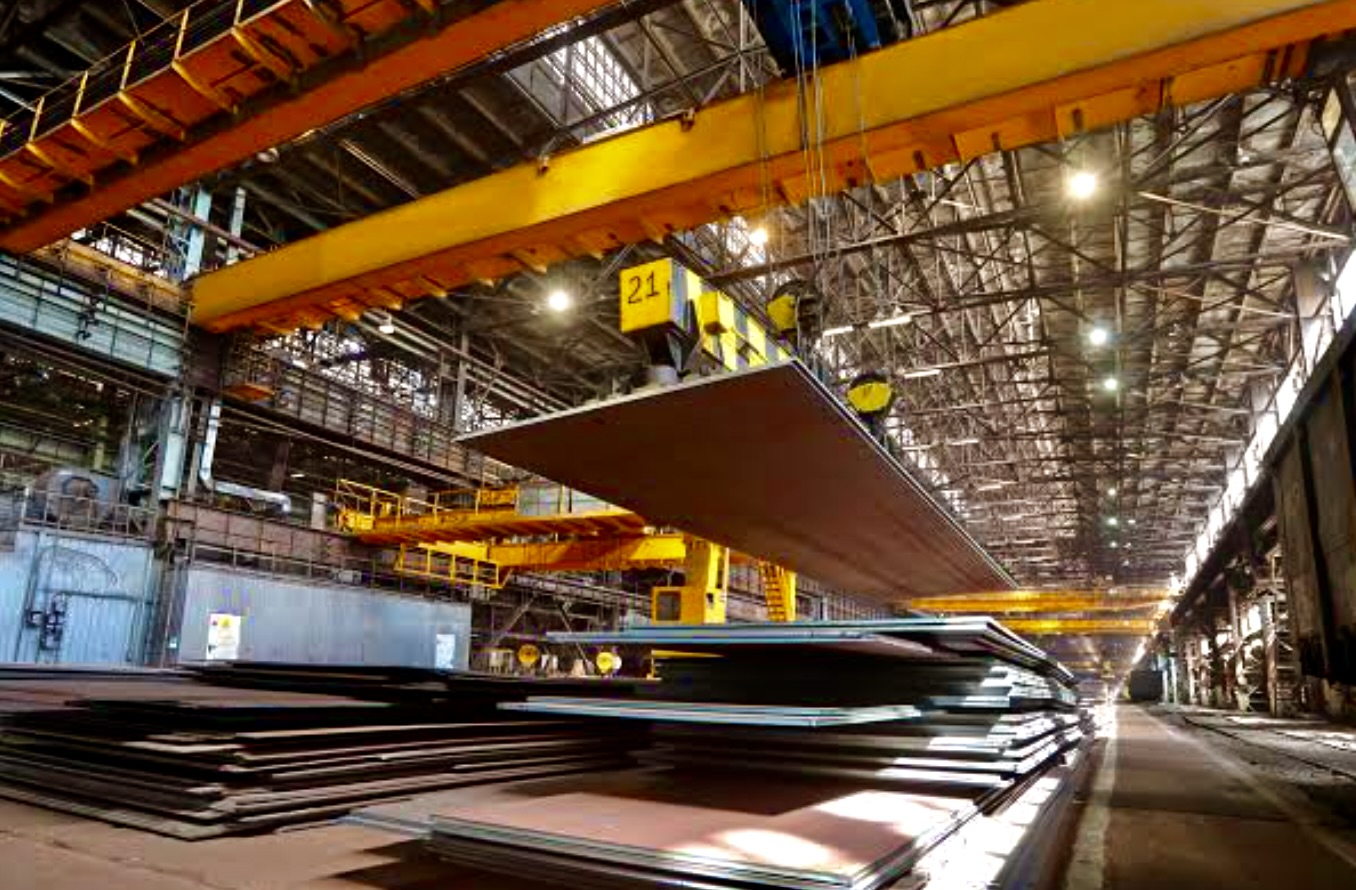
Early gains give way to a price correction
Russia’s ferrous-metals market reversed course during August 2026 as weak demand, falling production and seasonal risks began to outweigh the supply shortages that had supported prices since mid-summer. IA Realist reported that the composite price index for ferrous rolled products in Russia’s Central region rose 11 points, or 1.17%, between July 31 and August 6. Every product category increased, led by channel steel with a 2.76% gain.
Hot-rolled products became more expensive in both the primary and spot markets during the first half of August before stabilizing at relatively high levels. Cold-rolled steel also recorded a modest recovery after a prolonged decline, while demand for welded pipes remained comparatively strong. The direction changed between August 13 and 20, when the composite index lost 2.3 points, or 0.24%. Five of the eight monitored categories declined: angle steel fell 2.52%, while galvanized flat products gained 0.96%.
Limited supply continued to prevent a sharper correction. According to IA Realist, the primary market faced an acute shortage of structural sections, while warehouse inventories showed no substantial increase. End users therefore continued buying steel for immediate requirements despite elevated prices. Rebar availability was improving, but inventories were not rebuilding quickly.
Output data point in different directions
World Steel Association data cited by IA Realist showed Russian crude-steel production falling 8.4% year on year to 32.1 million tonnes in the first half of 2026, placing the country fifth among global producers. The association estimated June output at 5.6 million tonnes, down 3.4% from a year earlier. Rosstat reported a different June result: 6 million tonnes of steel of all types, 5.3% more than in June 2025. Rosstat also recorded a 2.6% decline in pig-iron production and a 0.4% increase in ferrous rolled-product output.
Pipe production was uneven. Seamless-pipe output dropped 12.8%, whereas casing production increased 6.6% and tubing output rose 13.7%. Severstal reported initial signs of market stabilization in the second quarter, when it produced 2.79 million tonnes of steel and operated its facilities at nearly full capacity. Financial pressure nevertheless persisted, and the company decided against paying a dividend for the reporting period.
Across the wider ferrous sector, capacity utilization fell to 64% in the first quarter of 2026 as demand weakened in major consuming industries. Export conditions offered limited relief: a stronger ruble reduced competitiveness, while prices for slabs and hot-rolled coil fell to multi-month lows in August. Billet prices reached two-year lows.
Non-ferrous prices remain elevated
Non-ferrous metals performed more strongly amid global shortages and a weaker dollar. Rusal’s weighted-average aluminum selling price increased 23.6% year on year to $3,227 per tonne, although its weighted-average premium over the LME price fell 43.5% to $52 per tonne. Copper remained above $14,000 per tonne on the London Metal Exchange, supported by dollar weakness and expectations of US import tariffs. Russian aluminum still accounted for 95% of the relevant LME inventories cited by analysts, despite a decline in stocks.
Russia’s Economy Ministry calculated that aluminum prices rose 2.5% in August and nickel gained 1.8%; non-ferrous metals were 26.1% more expensive year on year. The near-term outlook for steel was less favorable. Some pipe producers had already reduced quotations to clear accumulated stocks before the seasonal slowdown expected in October. Proposed September increases for coil could be abandoned, although galvanized and painted rolled products may continue rising. With construction activity approaching its seasonal decline, mills and distributors face a narrowing window in which supply constraints can offset weak consumption, sanctions and unfavorable export economics.
Full market analysis