Russian retail sales of German still wine rise 7.2% despite higher prices
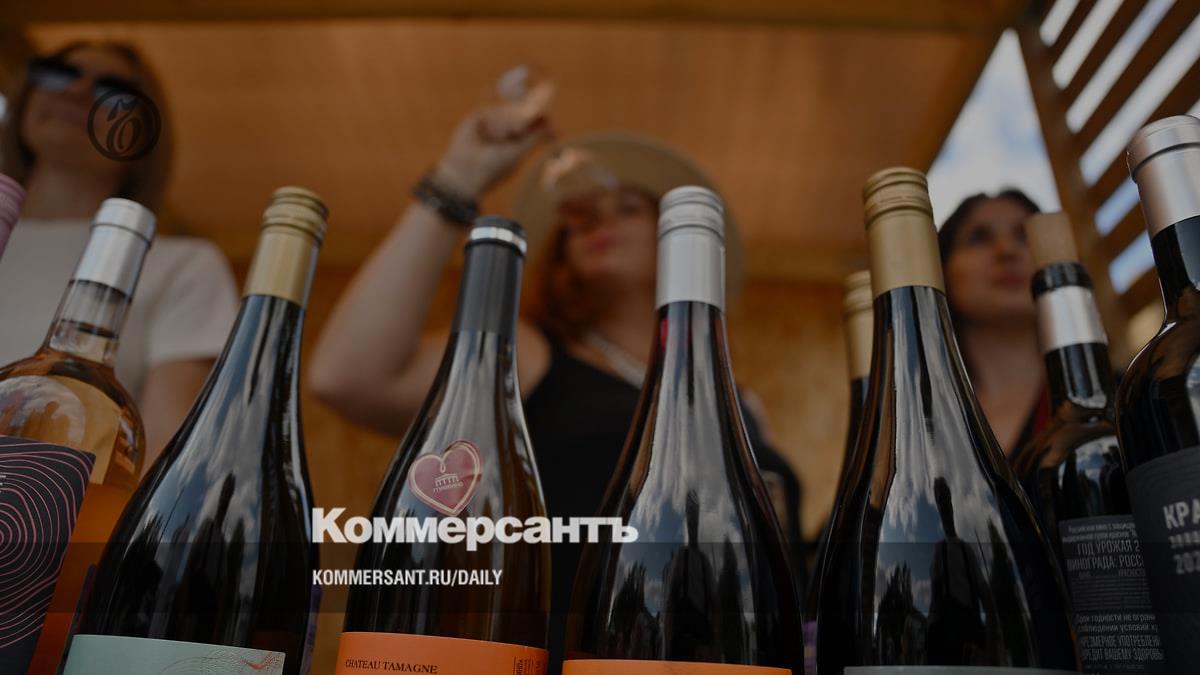
Russian retail sales of German still wine increased 7.2% year on year in January-August 2026, Kommersant reported. The growth, recorded despite a substantial rise in prices, indicates resilient demand for German Riesling and other premium imported wines.
Sales advance in a higher-price market
Russian retail sales of German still wine increased 7.2% year on year in January-August 2026, according to Kommersant. The result came despite a substantial rise in prices and was accompanied by renewed consumer interest in German Riesling.
The increase is notable because it reflects growth in retail sales under less favorable pricing conditions. Consumers did not fully retreat from the German category when bottles became more expensive. For producers, importers and retailers, that points to a segment with greater price tolerance than might have been expected.
The available data do not specify whether the 7.2% increase refers to sales volume or value. That distinction matters in a period of rising prices: growth in monetary sales can be driven partly by higher shelf prices, while growth in physical sales would demonstrate a clearer expansion in consumption. No absolute sales figure, average bottle price or breakdown by producer was provided.
Riesling supports the German category
Riesling is central to Germany's position in the Russian wine market. Its recognizable grape identity gives retailers and importers a clear way to present German wine to consumers, while the range of styles associated with the variety allows it to serve more than one price and taste segment.
The reported increase suggests that origin and grape variety continue to influence purchasing decisions even as prices rise. Buyers willing to seek out German Riesling are not choosing solely on the lowest available price. That can help specialist wine shops, restaurant suppliers and larger retail chains preserve demand for differentiated imported labels.
At the same time, the figure should not be read as evidence of growth across all German wine or the entire imported-wine market. The report concerns German still wine sold at retail in Russia during a defined eight-month period. It does not provide comparable results for sparkling wine, other supplying countries, restaurants or wholesale channels.
Implications for importers and producers
For Russian importers, the 7.2% increase offers a reason to maintain German still wine in their portfolios despite elevated consumer prices. The commercial opportunity is likely to depend on careful assortment: recognizable Riesling labels can anchor the category, while unfamiliar products may require more explanation and promotion at the point of sale.
German producers gain evidence that Russian demand has not disappeared under higher pricing. However, the absence of volume and price data limits conclusions about margins, shipment requirements and the durability of the trend. Retail sales can also reflect earlier imports or inventory already held in the distribution chain, so they do not automatically indicate an equivalent increase in current deliveries from Germany.
The next test will be whether the category can sustain growth beyond January-August 2026 without relying on price-led gains in sales value. Importers and market analysts will need separate volume and value figures, along with average prices and inventory data, to determine whether German Riesling is expanding its consumer base or primarily retaining committed buyers at a higher cost.