Russian pork sales rise 13% as consumers shift away from poultry
Russian sales of chilled and frozen pork increased 13% year on year in January–June 2026, while poultry volumes fell 3%. Higher pork production and rising chicken prices suggest consumers are changing the composition of meat purchases rather than substantially increasing total consumption.
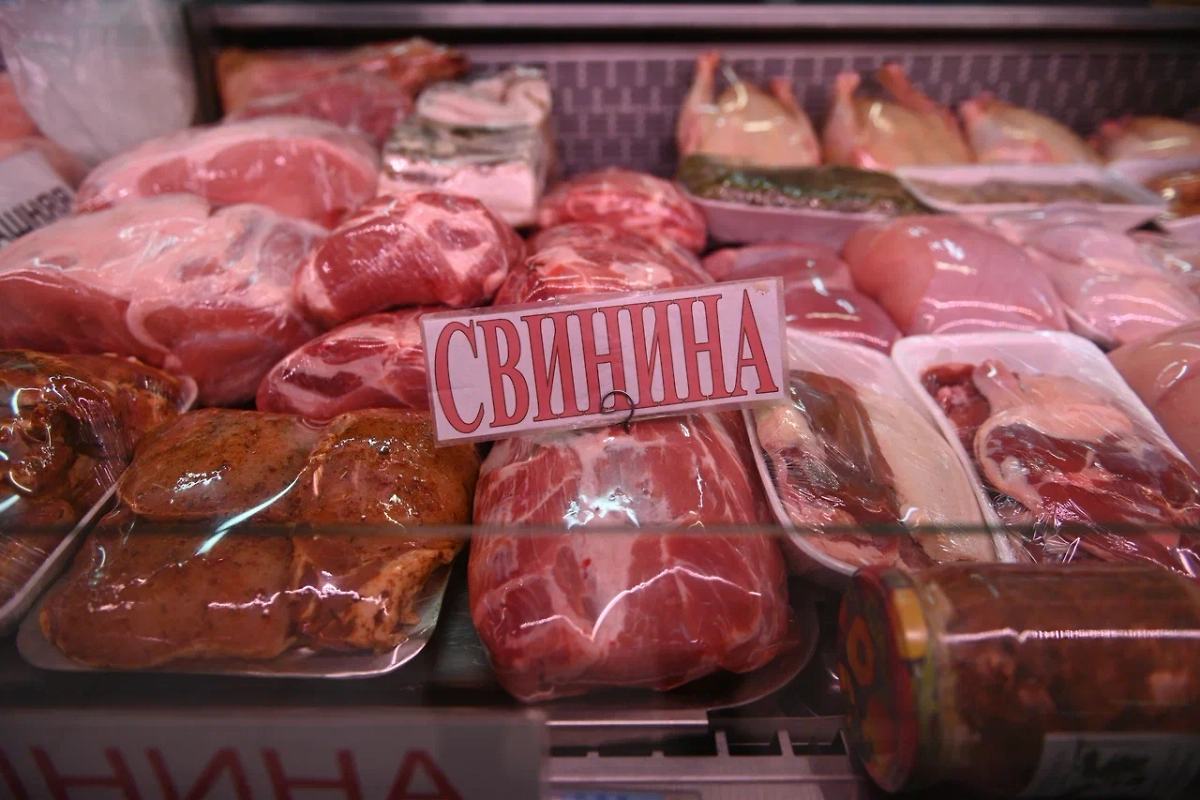
Pork outpaces the wider meat market
Sales of chilled and frozen pork in Russia increased 13% year on year in January–June 2026, according to data from analytics company NTech cited by Kommersant and reported by Life.ru. This was the strongest growth among the meat categories covered by the research, excluding semi-finished products, marinades, minced meat and other processed goods.
The increase was far ahead of the wider market. Total meat demand rose by only 1% during the period, indicating that pork gained share within household meat purchases rather than benefiting solely from broad consumption growth. NTech analysts suggested that some consumers may have switched from chicken to pork. Poultry sales by physical volume fell 3% in the first six months of 2026.
Retailers reported the same direction of travel, although their growth rates differed. Auchan said its pork sales increased 5% year on year, while Perekrestok recorded a 14% rise in demand. The variation may reflect differences in store formats, regional coverage, customer profiles, product ranges and promotional activity. Both figures nevertheless support the finding that pork performed more strongly than the overall meat category.
Domestic output expands alongside demand
The improvement in retail sales coincided with higher domestic production. Rosstat data show that Russian agricultural organizations produced 3.96 million tonnes of pigs in live weight for slaughter in January–August 2026, an increase of 3.3% from the same period a year earlier. The production period extends two months beyond the retail sales data, but both indicators point to expansion in the pork segment.
Other major livestock categories contracted over the same eight-month production period. Poultry output declined 3.3% to 4.36 million tonnes, while cattle production fell 0.5% to 720,500 tonnes. Pork therefore combined rising retail volumes with growing supply, while poultry faced declines in both sales volumes and agricultural output.
For domestic processors and retailers, the additional pork supply may provide greater scope to meet demand through Russian production. The available data do not specify wholesale pork prices, processor margins, inventories or trade flows, so they do not establish whether the expansion has improved profitability. They do show that producers increased volumes while consumers and major retail chains bought more chilled and frozen pork.
Chicken inflation changes the competitive balance
The shift occurred as chicken became more expensive. According to Rosstat figures reported by Life.ru, prices for chilled and frozen chicken rose 2.2% in the latest month covered by the report. The average retail price reached 263.6 rubles per kilogram, 15.8% higher than a year earlier. Previous reporting attributed the increase to higher production costs and changes in the market.
No comparable pork price was provided, making it impossible to quantify the relative price gap or determine how much of the sales increase came from pricing, promotions or changes in consumer preferences. However, rising chicken prices, falling poultry sales and lower poultry production together strengthen the case that affordability and availability influenced purchasing decisions.
Implications for meat companies
The figures favor pig producers, slaughterhouses and processors focused on chilled and frozen cuts. A 13% rise in retail sales against 3.3% production growth could support capacity utilization, but companies will need to monitor whether supply can keep pace without creating stronger price pressure. Retailers may also adjust shelf space, promotions and procurement toward pork if the category continues to outperform.
For poultry companies, the challenge is different. Production costs and retail inflation are coinciding with weaker physical sales, increasing the importance of pricing discipline and operational efficiency. Russia’s total meat demand still grew 1%, so the data do not indicate a broad retreat from meat. They instead show a change in the category mix, with pork gaining ground as poultry loses volume.