Russian juice exports to the US jump sevenfold but remain small
Russian fruit and vegetable juice exports to the United States reached $210,100 in August, their highest monthly value since February 2016. Shipments rose more than sevenfold year on year, but Russia remains a minor supplier in a market where Brazil accounts for over 38% of imports.
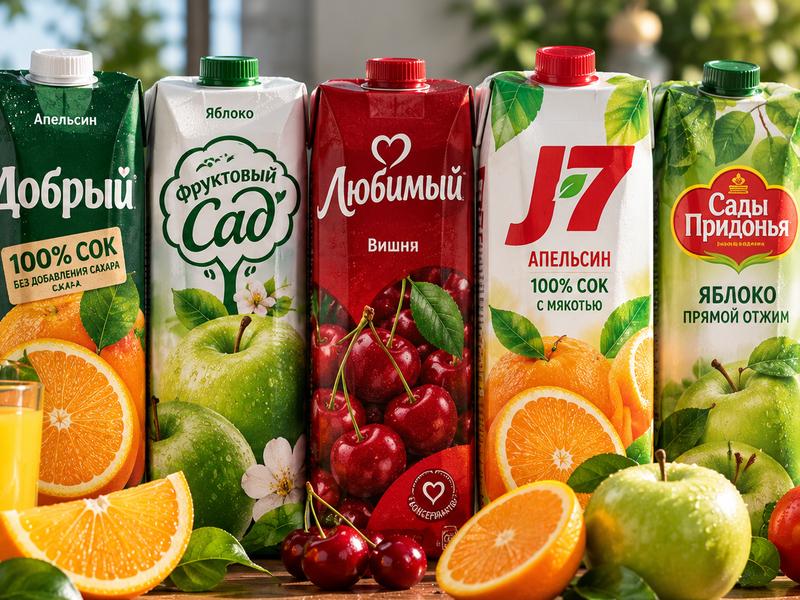
August shipments reach a decade high
Russian exports of fruit and vegetable juices to the United States climbed to $210,100 in August, marking the highest monthly value in more than a decade. TKS, citing RIA Novosti's analysis of US customs statistics, reported that the result was the strongest since February 2016.
The value of shipments increased by more than half compared with July and was more than seven times the level recorded in August 2025. The figures therefore show a sharp acceleration both month on month and year on year, although the low starting point makes the percentage increase considerably larger than the change in absolute trade value.
The August result stands out because Russian juice shipments to the US had not returned to a comparable level since 2016. It represents a clear improvement for suppliers serving the American market, but one month of customs data is not enough to determine whether the increase will persist.
Russia remains a small supplier
Despite the sevenfold annual increase, Russia is not among the leading juice exporters to the United States. Its August shipments were still measured in hundreds of thousands of dollars rather than the multimillion-dollar volumes associated with the market's largest suppliers.
Brazil remains the dominant source, accounting for more than 38% of all US juice imports, according to the report. That share puts the Russian figure into perspective: the August surge significantly changed Russia's own recent export performance but did not materially alter the competitive balance of the wider US market.
For Russian producers and traders, the increase may indicate that individual orders or commercial channels can still generate noticeable monthly gains from a small base. For US importers, however, Russia continues to represent a marginal source compared with the established large-scale supply base led by Brazil.
Customs data leave key questions unanswered
The available US customs statistics show the value of Russian exports but do not provide physical shipment volumes in the published report. As a result, it is not possible to establish whether the increase came mainly from larger quantities, higher unit values or a combination of both.
The material also does not identify the specific fruit or vegetable juices involved, the Russian exporters responsible for the shipments or the US buyers. These gaps limit any assessment of whether August reflected a broad improvement across the sector or a small number of transactions in particular product categories.
Product detail would also be important for comparing Russia with other suppliers. Juice trade covers products with different raw materials, processing requirements and values, so an aggregate dollar figure cannot show which segment drove the increase or how directly Russian shipments compete with Brazilian supply.
Further months will test whether the surge lasts
The August figure is best viewed as a notable monthly spike rather than evidence of an established export trend. The comparison with February 2016 demonstrates its historical significance for bilateral juice trade, while the modest absolute value shows that the commercial scale remains limited.
Subsequent customs releases will indicate whether Russian shipments can remain near the August level or whether the result was linked to isolated orders. Sustained growth would require repeated deliveries over several months, while a reversal would confirm that the sevenfold increase mainly reflected volatility in a small trade flow.
Until data on physical volumes, product categories and later shipments become available, the clearest conclusion is narrow: Russian juice exports achieved their strongest monthly value in more than ten years, but they have yet to gain meaningful weight in the US import market.