Russian Fish Export Revenue Forecast to Reach $6.5 Billion in 2026
Russia could earn $6.4–6.5 billion from fish exports in 2026, up 5–6% from about $6.1 billion a year earlier. China is driving growth, while the industry is seeking a mechanism that would let exporters coordinate their negotiating positions without breaching competition law.
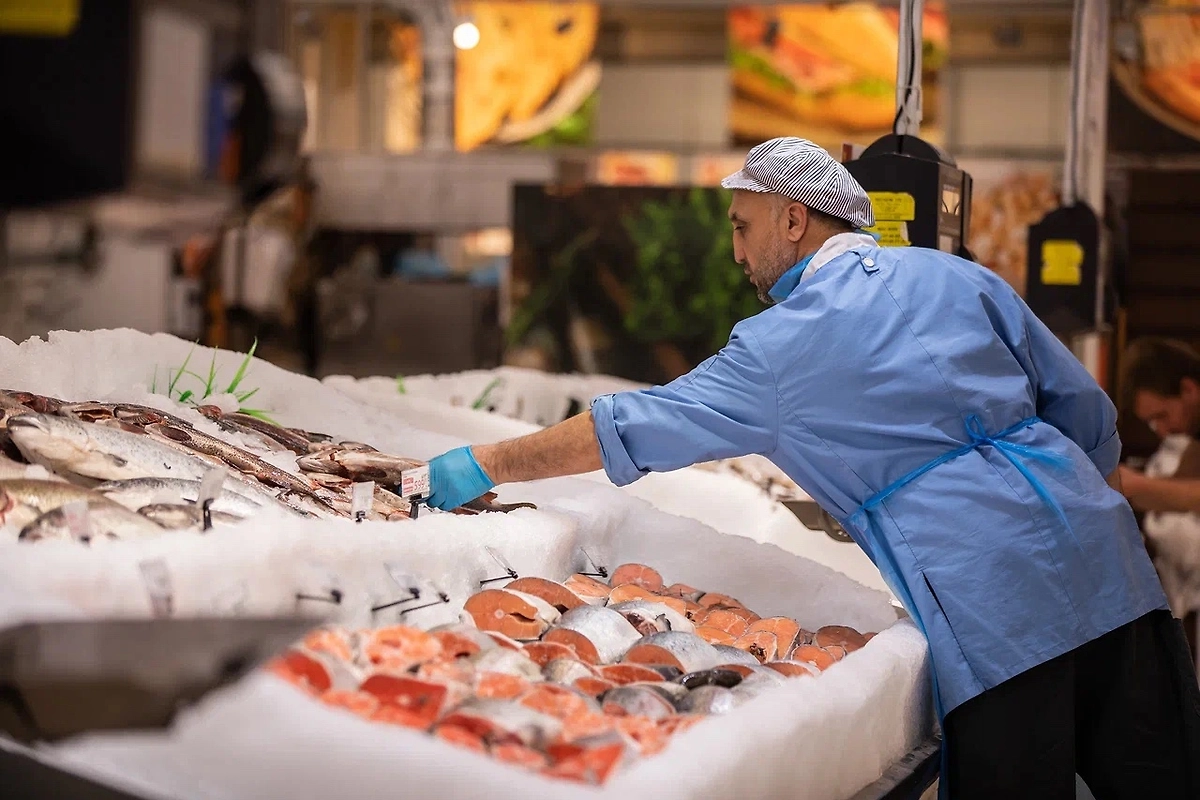
Export earnings expected to rise 5–6%
Russia’s fish export revenue could reach about $6.4–6.5 billion in 2026, according to German Zverev, president of the Russian Association of Fishery Enterprises, Entrepreneurs and Exporters, known as VARPE. The forecast represents annual growth of approximately 5–6% from about $6.1 billion in the previous year.
The projection points to a stronger increase in export value than in physical shipments. Life.ru reported that Russian companies delivered more than 1 million tonnes of fish products to their four main overseas markets in the first half of the year. Volume increased by 10% year on year, while revenue climbed by 33% to $3.72 billion.
According to the publication, the first-half revenue figure was the highest for that period in five years. The difference between the growth rates for volume and value indicates that prices, the product mix or both are improving the return generated by each tonne exported.
China remains the main growth engine
More than 80% of Russian fish exports go to four destinations: China, Japan, South Korea and European Union countries. This concentration makes demand and purchasing conditions in a relatively small group of markets particularly important for Russian fishing companies and processors.
China remains the leading source of growth. VARPE data cited by Life.ru show that Russian fish exports to China reached $2.64 billion in January–July, roughly 1.5 times the level recorded in the comparable period. Russia’s share of China’s imported fish market increased to 16.7%.
Separate figures for the first five months of 2026 underline the same trend. Shipments of Russian fish and seafood to China rose by 16% in physical terms and by 53% in value. Life.ru put the total at 672,000 tonnes worth almost $2.06 billion, with particularly strong revenue growth from pollock, cod and live crab.
The large gap between the 16% increase in tonnage and the 53% rise in earnings is commercially significant. It suggests that the Chinese market is generating more revenue without requiring an equivalent expansion in catch or shipment volume. That improves the role of product selection and sales terms in determining exporters’ performance.
Exporters seek greater bargaining power
The industry sees further potential in raising revenue per shipment rather than relying only on higher volumes. Zverev said Russian producers currently have limited scope to agree among themselves on a common pricing policy in foreign markets. Meanwhile, large importers in China and Japan can consolidate purchases and exert stronger influence over prices.
VARPE is discussing a possible export-association mechanism with Russia’s Ministry of Agriculture and Federal Antimonopoly Service. The proposal would allow companies to coordinate their positions when selling to large foreign buyers while remaining within antitrust law. The idea is still under discussion, but its outcome could affect how revenue is divided between Russian suppliers and concentrated buyer groups in the country’s largest export markets.