Russian cosmetics exports to Georgia rise by one-third to $3.2 million
Russia increased exports of decorative and skincare cosmetics to Georgia by one-third in January-August, Rosbalt reported. Shipments reached $3.2 million, according to Georgian statistical data.
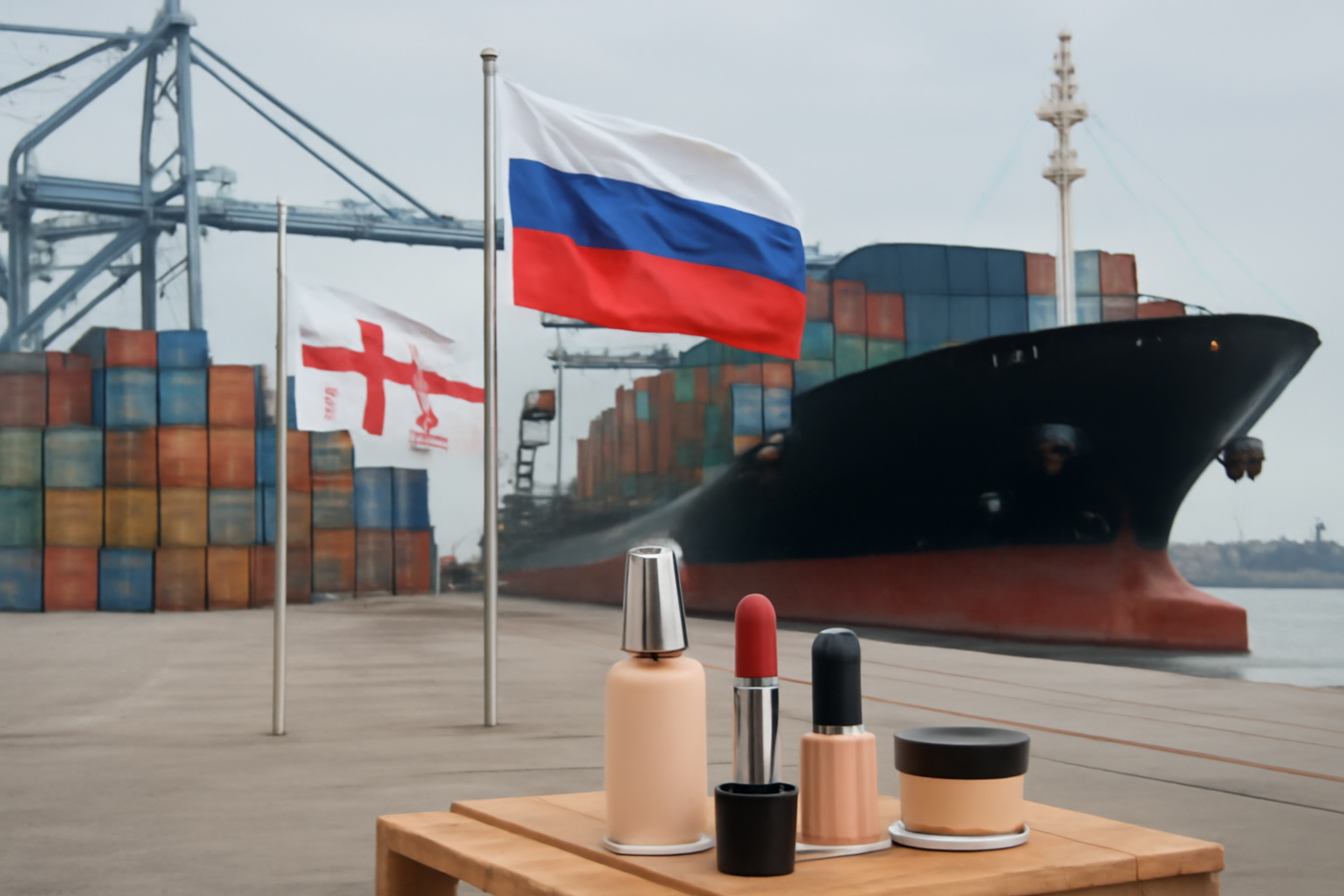
Shipments reach $3.2 million
Russia increased exports of decorative and skincare cosmetics to Georgia by one-third in January-August, taking the value of shipments to $3.2 million. Rosbalt reported the increase, citing data from Georgia’s statistical service.
The result points to stronger Georgian demand for Russian beauty products during the reporting period. The available statistics group decorative cosmetics and skincare products together, so they do not show how much each segment contributed to the increase. They also report shipment value rather than the number or weight of products supplied. As a result, the data alone cannot determine whether the gain came primarily from higher sales volumes, changes in product mix or different prices.
Decorative and skincare products drive the trade
The reported categories cover two important parts of the consumer cosmetics market. Decorative cosmetics include products used primarily for appearance, while skincare covers products intended for routine personal care. Growth across this combined category gives Russian manufacturers and distributors a larger presence in Georgia’s imported beauty-products market, although the source data do not identify individual brands, suppliers or buyers.
The statistics provided also do not divide shipments by retail channel. They therefore offer no basis for assigning the increase to pharmacies, specialist beauty stores, supermarkets, online platforms or other sellers. For producers and traders, that distinction matters: different channels require different pricing, packaging, promotion and inventory strategies. The confirmed conclusion is narrower—the value of Russian decorative and skincare cosmetics entering Georgia increased by one-third and reached $3.2 million during January-August.
Implications for suppliers and distributors
For Russian cosmetics companies, the rise indicates that Georgia generated more export revenue in the covered categories than in the corresponding earlier period. It may encourage suppliers already serving the market to review local distribution capacity and product availability. New entrants, however, would still need brand-level and channel-level evidence before treating the headline growth rate as proof of broad consumer demand.
Georgian importers and retailers may see a wider commercial opportunity if demand continues, but the aggregate figure does not reveal whether growth was concentrated among a small number of products or spread across the category. It also gives no information on margins, retail prices, repeat purchases or inventory levels. Those indicators would be necessary to assess whether the increase reflects sustainable sell-through rather than larger deliveries into the distribution chain.
Further detail needed to assess the trend
The January-August figure provides a clear measure of trade value but not a complete picture of market performance. Comparisons with suppliers from other countries, full-year data and a breakdown by product type would show whether Russian exporters are gaining market share or benefiting from overall growth in Georgian cosmetics demand.
For now, the Georgian statistics establish a measurable expansion in bilateral cosmetics trade. Russia supplied $3.2 million of decorative and skincare cosmetics to Georgia in January-August, one-third more than in the comparable period cited by Rosbalt. The size and durability of the opportunity will depend on which products and sales channels produced that increase—details not disclosed in the available source material.