Russian Bakery Retail Volumes Rise 4.4% as Sales Value Climbs 14%
Russian retail sales of bakery products increased by 4.4% in volume year on year during January–September 2026, according to NTech data reported by Kommersant. Sales value rose by 14%, indicating that higher prices and changes in the product mix contributed more to revenue growth than physical demand alone.
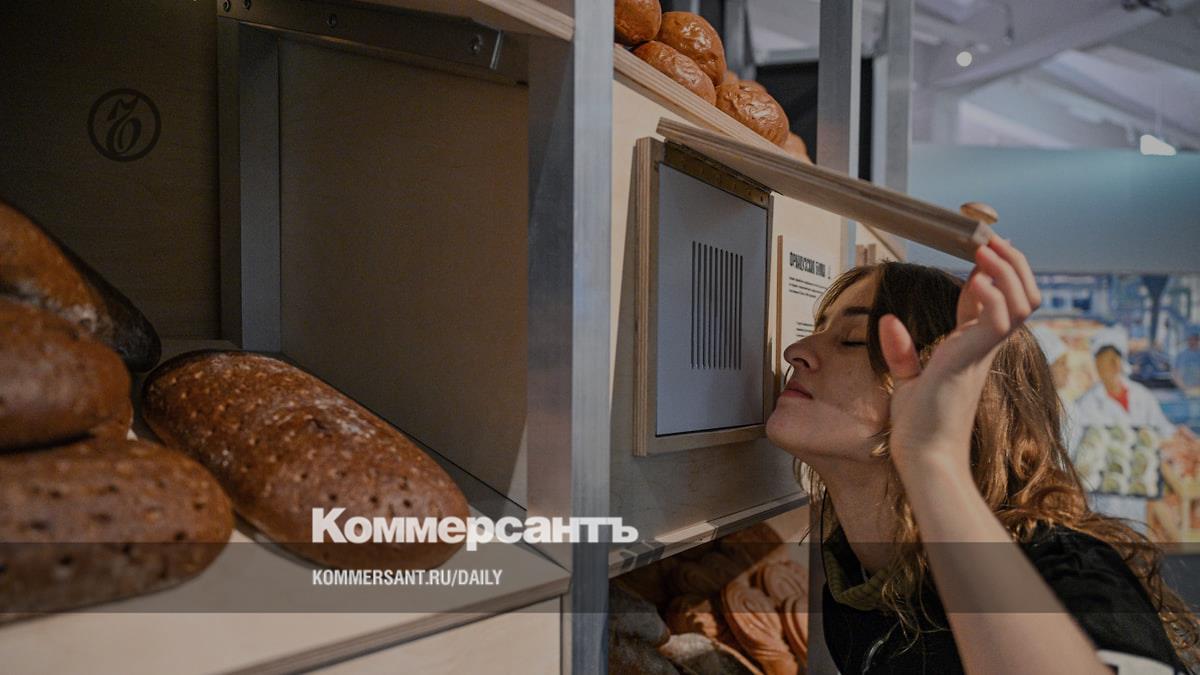
Bakery volumes increase in Russian retail
Russian retail sales of bakery products grew in both physical and monetary terms during the first nine months of 2026. Natural sales volumes increased by 4.4% year on year in January–September, while the value of sales rose by 14%, according to data from analytics company NTech reported by Kommersant.
The figures show that consumers bought more bakery products than during the same period of 2025, despite the broader effect of higher prices on household spending. However, the much faster increase in sales value indicates that volume growth accounted for only part of the additional retail revenue.
Based on the relationship between the two reported growth rates, the average value generated per unit of physical volume increased by approximately 9.2%. This is a calculated indicator rather than a separate NTech figure, but it illustrates the scale of the gap between demand measured in products sold and demand measured in money.
Prices and product mix shape the market
The available data do not separate the effects of price increases from changes in the assortment purchased by consumers. Both can raise sales value faster than volume: retailers may charge more for comparable products, while shoppers may also shift toward bakery items with a higher price per unit.
The 4.4% rise in physical sales nevertheless matters for producers and retailers because it points to an expansion of underlying consumption rather than revenue growth driven solely by price changes. For bakeries, higher throughput can support production runs and capacity utilization. For retailers, it means the category generated growth from both the number of products sold and the amount spent on them.
The 14% increase in monetary sales also raises the commercial importance of assortment management. When value growth outpaces volume by such a wide margin, product positioning, packaging formats and the balance between lower-priced staples and more expensive bakery goods can have a substantial effect on revenue, even without a comparable increase in physical demand.
Implications for producers and suppliers
For bakery manufacturers, the central question is whether the increase in unit value can be sustained without slowing volume growth. The January–September figures show that the market absorbed both a higher physical quantity and a higher average expenditure per unit of volume during the period. The data provided, however, do not establish whether this pattern was uniform across product categories, retail formats or Russian regions.
Suppliers of ingredients, packaging and production services may benefit when bakery output rises, although the reported retail data do not provide direct information on factory production, capacity additions or input costs. Investors and market analysts will therefore need more detailed category-level information to determine which segments generated the strongest volume gains and which contributed most to the rise in sales value.
For now, the NTech figures describe a retail bakery market expanding on two fronts. Physical sales were 4.4% higher, confirming positive demand in volume terms, while revenue increased more than three times as quickly at 14%. That divergence makes pricing and product mix as important as consumption growth when assessing the sector’s performance in 2026.