Russia and Türkiye Sign Fertilizer Supply Memorandum as Gulf Urea Flows Falter
Russia and Türkiye have signed a memorandum of understanding on mineral fertilizer supplies intended to underpin growth in Russian exports. The document exempts Türkiye from Russian export restrictions on nitrogen and phosphate fertilizers and ammonia, as Gulf shipments of urea, ammonia and sulphur remain disrupted. Türkiye consumes about 7 million tonnes of fertilizer a year but produces barely 5 million.
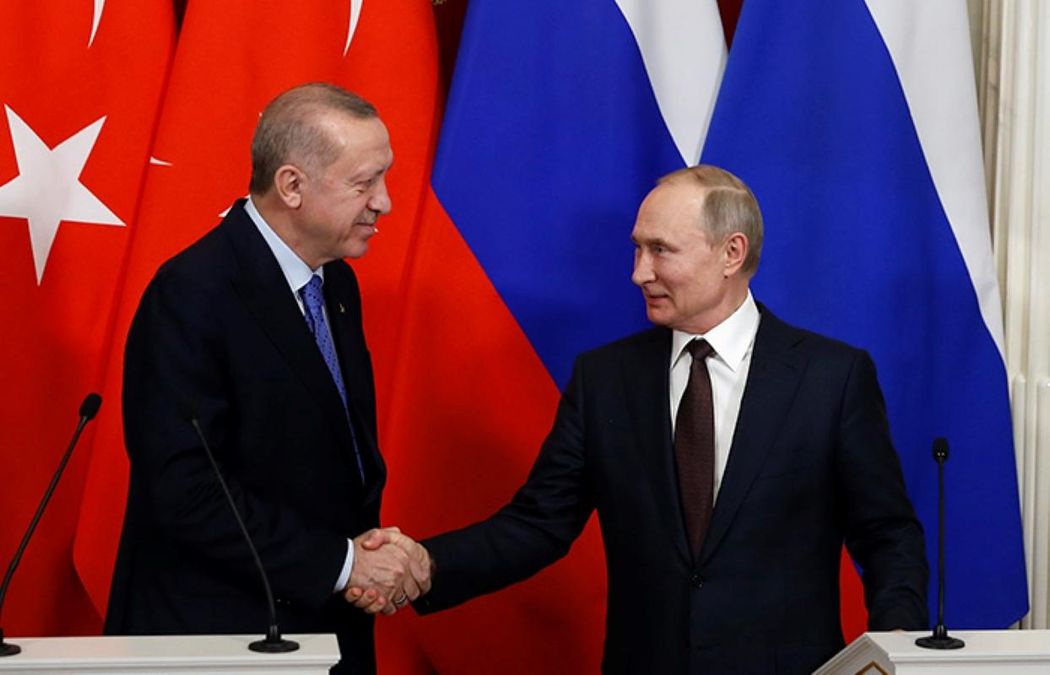
Russia and Türkiye have signed a memorandum of understanding on mineral fertilizer supplies, a document meant to create the basis for growth in Russian fertilizer exports, PRIME reported on 9 September 2026.
The deal was prepared as Ankara looked for alternatives to Middle Eastern supply ahead of the sowing campaign. According to Bloomberg, cited by 24tv.ua, the memorandum was to be signed in Moscow by Turkish deputy minister Ahmet Bağcı and his Russian counterpart Maxim Borovoy.
What the memorandum covers
The document provides Türkiye with an exemption from Russian export restrictions on nitrogen and phosphate fertilizers, as well as on ammonia. That carve-out is the operative part of the agreement: it allows Turkish buyers to contract volumes that would otherwise fall under Moscow's quota regime.
The immediate purpose is to cover a urea shortfall created by supply interruptions from producers in the Persian Gulf states. Because of the war in Iran and the effective closure of the Strait of Hormuz, Türkiye has run into difficulties purchasing urea, ammonia and sulphur, 24tv.ua reported. Russia had already loosened part of its restrictions on ammonia and urea exports to help Türkiye meet rising fertilizer demand; the new agreement is intended to guarantee that farmers have raw materials before planting begins.
Türkiye's production shortfall
The structural gap behind the deal is domestic. Turkish plants are capable of producing more than 8 million tonnes of fertilizer a year, but actual output barely reaches 5 million tonnes against annual requirements of 7 million tonnes. The country therefore depends on imports for roughly a third of what its farmers apply, and that import book has to be rebuilt every time a major origin goes offline.
- Nameplate capacity: more than 8 million tonnes a year
- Actual production: barely 5 million tonnes
- Annual requirement: 7 million tonnes
Russian quotas and Black Sea logistics
Russia is the world's second-largest fertilizer producer and supplies around 20% of the nutrients traded on the global market. Its exports have been disrupted by the war against Ukraine, and the disruption is both commercial and physical. Attacks on vessels in the Black Sea have complicated shipments and made Russian cargoes to Türkiye more expensive, pushing Moscow to route a growing share of volumes through Baltic Sea ports — a longer voyage to Turkish terminals.
At the same time, Moscow is restricting exports overall and prioritising the domestic market. Russian producers have been allowed to ship only 20 million tonnes of fertilizer, including nitrogen products, between 1 June and 30 November, while exports of ammonium nitrate have been suspended outright. The Turkish exemption therefore operates inside a capped system rather than alongside it, which makes the allocation of the remaining quota a live commercial question for other buyers.
Demand pressure beyond Türkiye
Türkiye is not the only importer turning to Russian tonnage. India, one of the world's largest fertilizer importers, is in talks with Russia on increasing deliveries because of the tense situation in the Middle East and export restrictions out of China, according to 24tv.ua. Two large import programmes competing for supply from a producer that manages its own export ceiling by decree sets the frame for nitrogen pricing into the next application season.
The sequencing of the announcements differs between outlets: 24tv.ua described Ankara as preparing to sign the memorandum, while PRIME reported the document as signed.