Russia’s truck parts aftermarket reached $8.9 billion in 2025 as tires led spending
Russia’s secondary market for truck parts reached $8.9 billion in 2025, Moika78 reported. Tires accounted for more than 39% of spending, far exceeding the shares of fuel-system, brake, filter and engine components.
Tires dominate an $8.9 billion aftermarket
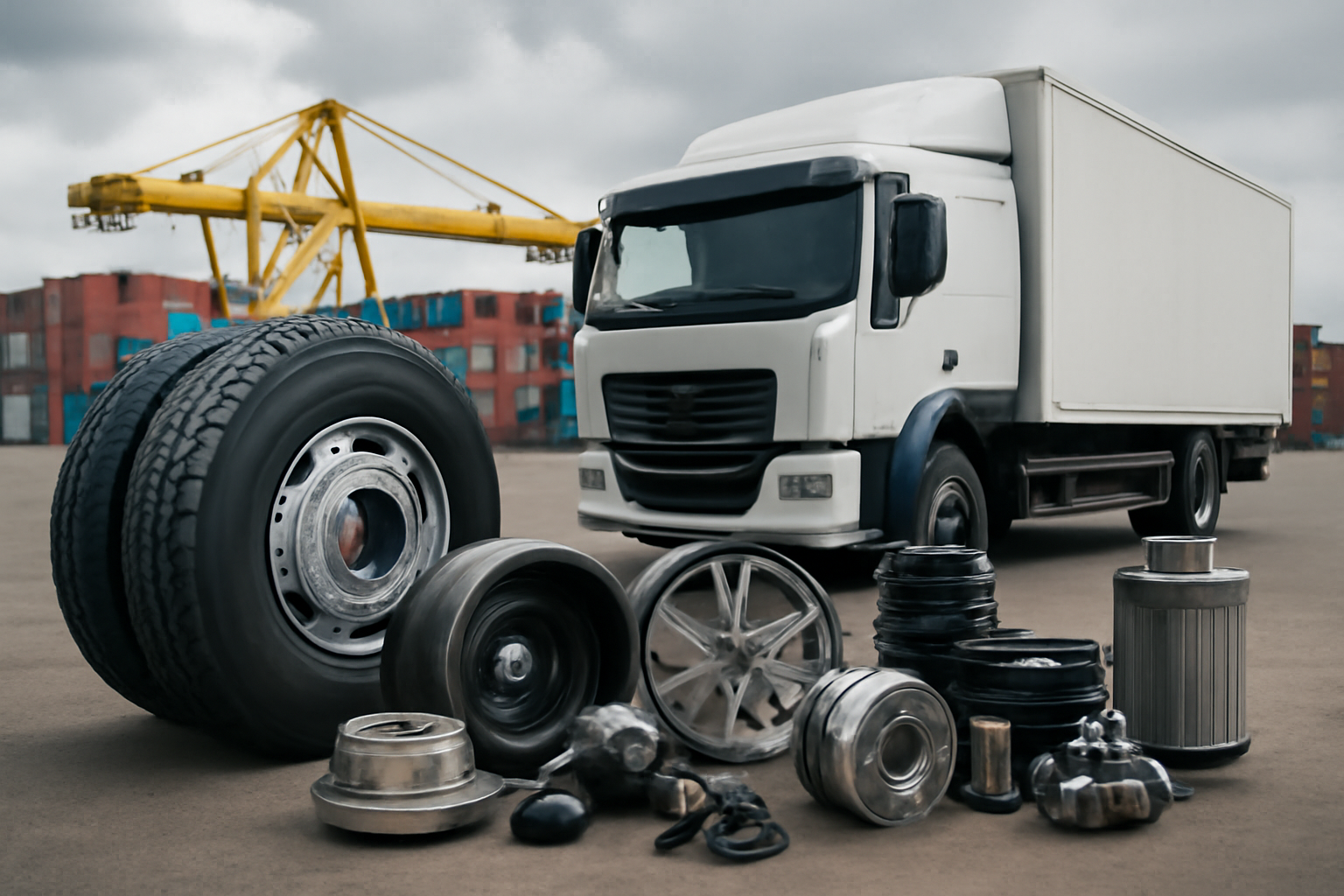
Russia’s secondary market for truck parts reached $8.9 billion in 2025, according to Moika78. Tires were the largest spending category, absorbing more than 39% of the money directed to replacement parts and truck repairs. That share puts tire expenditure far ahead of every other category identified in the report.
At the stated market value, a share exceeding 39% implies tire spending of more than $3.47 billion. This is a calculated minimum based on the figures reported by Moika78, rather than a separately published market estimate. The publication described tires as taking almost every second dollar spent on truck repairs, although its specific percentage indicates a share above 39% rather than 50%.
Fuel systems and brakes form the next tier
Fuel-system components accounted for about 6% of total expenditure. Brakes represented almost the same proportion, according to the report. Each category was therefore much smaller than tires but remained among the principal recurring cost areas for operators maintaining trucks already in service.
Filters took 3.4% of the market, while engine parts represented 2.9%. Applied to the reported total, those percentages correspond to roughly $303 million for filters and $258 million for engine components. The figures describe spending value, not the number of parts sold, and the source did not provide unit volumes or average prices.
Ten categories absorb almost 80% of budgets
Moika78 reported that the ten leading product categories together consumed almost 80% of truck-parts budgets. The remaining approximately 20% was distributed among smaller items and other components outside the ranking. The source named tires, fuel-system parts, brakes, filters and engine parts, but did not identify the other five categories included in the top ten.
The concentration of spending has practical implications across the maintenance chain. Tire producers, distributors and service workshops are exposed to the market’s largest expenditure pool, while suppliers of fuel-system and brake components compete in substantially smaller segments. For fleet operators, the figures show that tire procurement is the clearest single lever affecting parts budgets.
The report did not specify whether the $8.9 billion estimate covered all truck classes, how currency conversion was handled, or how much of the total reflected domestic versus imported products. It also did not separate changes in replacement volumes from changes in prices. Those limitations prevent a direct assessment of market growth or import dependence, but the category shares still provide a snapshot of where Russian truck-maintenance spending was concentrated in 2025.