Reduced sugar beet acreage is not expected to cause a raw material shortage in Russia
Russia’s smaller sugar beet area is not expected to leave processors short of raw material. Pravda.ru reports that sugar output could match or exceed last year’s level, limiting the potential for higher procurement prices.
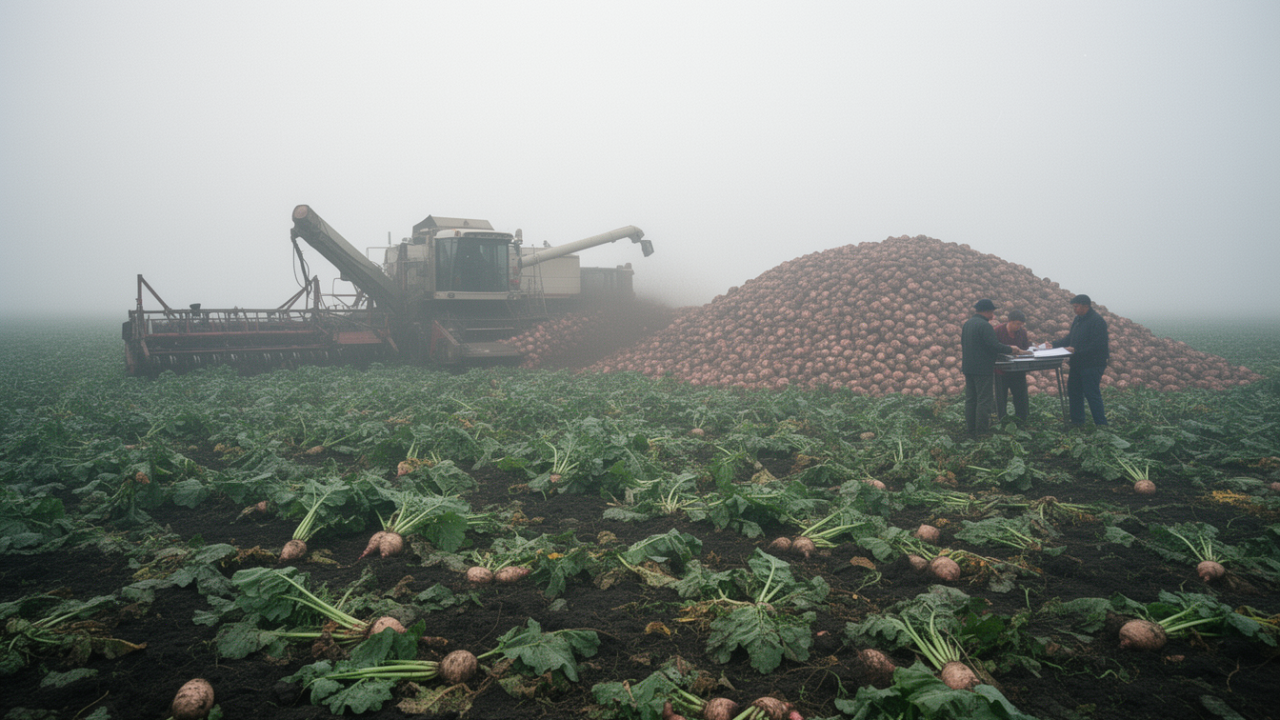
Smaller area, sufficient crop
Russian sugar beet producers have reduced planted area in the current season, but the contraction is not expected to create a shortage of raw material for domestic processors. Pravda.ru reports that the final crop should remain sufficient to supply the country’s sugar factories.
The publication did not provide figures for the planted area, beet harvest or factory demand. It said, however, that Russian sugar production is forecast to remain at last year’s level or rise above it. That assessment suggests that lower acreage is expected to be offset by the amount of beet ultimately harvested and available for processing.
For factories, the central issue is therefore not immediate access to beet but the balance between domestic sugar output and consumption. Stable or growing production would keep the market adequately supplied and reduce the risk of competition among processors for scarce agricultural raw material.
Procurement prices face limited upside
A sufficient beet crop and stable sugar supply would also restrict the scope for higher procurement prices paid to growers. According to Pravda.ru, an excess of product on the domestic market would restrain price growth, making it unlikely that agricultural producers could secure additional profit solely through a higher market price.
Agricultural expert Viktor Smirnov said that, with production volumes stable, farm profitability would depend less on market demand than on cost control and efficient use of resources as planted area declines. The implication for growers is that margins will be determined primarily at the farm level: producers must obtain enough output from a smaller area while containing cultivation and harvesting costs.
This creates a different set of priorities for growers and processors. Farms have limited grounds to expect a price-driven increase in revenue, while factories appear likely to receive enough beet to maintain production. Contract terms, operating efficiency and the cost of securing raw material will consequently remain important to both sides, even without a nationwide shortage.
Global supply offers a possible counterweight
The international market is moving in a different direction. Pravda.ru reports a decline in global sugar production, which could reduce worldwide supply and support higher international prices. The source provided no production, price or trade-volume figures, so the scale and timing of any effect on Russia remain uncertain.
Stronger international prices could nevertheless support the Russian sector through export opportunities or changes in domestic pricing. The impact would depend on whether external demand can absorb Russian supply on commercially attractive terms. For producers, processors and traders, the key question is whether a tighter global balance becomes strong enough to offset the price pressure created by stable or rising sugar availability inside Russia.