Russian pasta industry expects noncompliant Grade A output to reach 121,700 tonnes
Russia could produce 121,700 tonnes of Grade A pasta that fails national standards this year, according to the National Association of Pasta Manufacturers. The industry is seeking stronger enforcement against the undeclared use of cheaper soft-wheat flour and expects new statistical reporting to improve oversight.
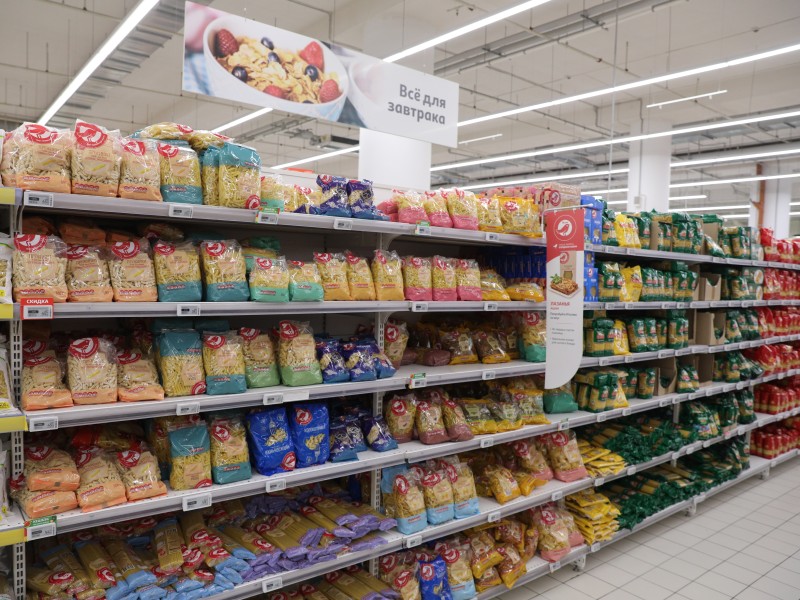
Noncompliant output could take 18% of the segment
Production of Grade A pasta that fails Russia’s national GOST standard could reach 121,700 tonnes this year, equivalent to 18% of total output in the segment, the National Association of Pasta Manufacturers, or NAPMI, told Agroinvestor. The association describes the undeclared addition of soft-wheat flour as both a product-compliance problem and a potential violation of competition law.
Last year, noncompliant Grade A output totaled 116,700 tonnes, or about 17% of the segment’s 679,300 tonnes, according to NAPMI. Independent producers marketing their own brands supplied 71,700 tonnes. Private-label products accounted for another 45,000 tonnes, representing almost 41% of Grade A pasta made for retail chains. NAPMI forecasts that noncompliant production by independent manufacturers alone could rise to 74,700 tonnes this year.
Cheaper soft-wheat flour changes production economics
Under the Russian standard in force since August 2024, soft-wheat flour may constitute no more than 5% of Grade A pasta; the rest must be made from durum wheat. The previous rule allowed up to 15%. NAPMI says the current threshold is intended only to accommodate accidental mixing where grain shares transport routes, elevators and mills. Comparable limits in the European Union and the United States are stricter at 3%.
The financial incentive to exceed the limit is substantial. NAPMI executive director Sergei Nemirovsky told Agroinvestor that premium soft-wheat flour costs 1.5 to 2 times less than durum flour. Mixing in 30% soft-wheat flour can reduce the production cost of one kilogram of pasta by 12% to 15%, while products may continue to be labeled as GOST-compliant Grade A pasta made from durum. Legitimate producers consequently face competitors selling ostensibly equivalent products with a lower raw-material bill.
Industry seeks enforcement and better raw-material data
NAPMI argues that undisclosed blending breaches Russia’s competition law and wants the Federal Antimonopoly Service to require accurate ingredient declarations. It is also seeking tougher action from Rospotrebnadzor. Nemirovsky said repeated formal appeals had not produced an adequate response, although the authorities reported isolated inspections and issued warnings to eight pasta manufacturers in August.
A new statistical system may provide a clearer measure of the market from January next year. Rosstat will begin collecting separate production data for durum pasta flour and breadmaking flour produced from soft wheat. NAPMI expects comparisons between flour supply and finished Grade A pasta output to expose discrepancies. The industry is also developing private controls: four founding members signed a Fair Pasta Manufacturer Charter at the end of August and plan to use a certified method to verify product composition. NAPMI was established in 2021 by Barilla Rus, Makfa, SI Group and Mareven Food Central. The association estimates that its members represent about 70% of Russia’s Grade A pasta market by value.