Russia Plans Standard for Domestic-Beer Retail Shelves by End of 2026
Russia plans to adopt a national standard defining domestic beer and recommending how retailers should display and promote it by the end of 2026. Eligibility would depend on local malt and barley, production in Russia and Russian ownership of trademark rights.
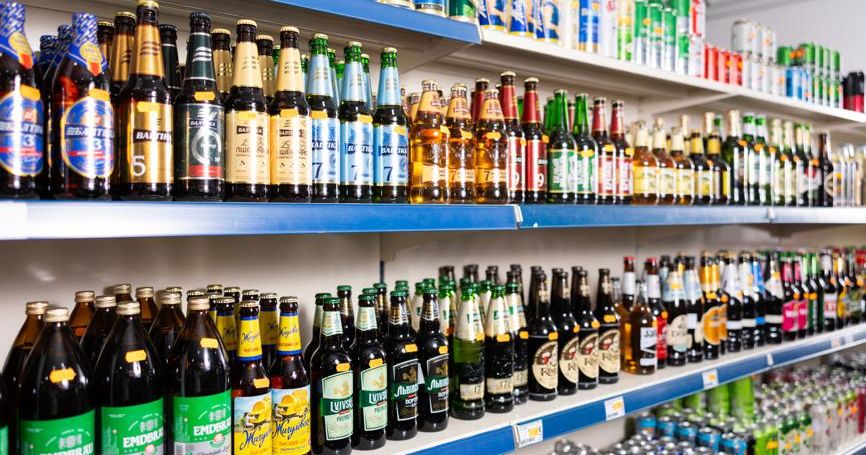
Standard moves to technical review
Russia plans to adopt a national standard for retail shelves featuring Russian beer by the end of 2026, according to RIAMO, citing information from Roskachestvo and RIA Novosti. The document would establish criteria for identifying a domestic product and recommend how qualifying beer should be placed and promoted in stores.
Public consultation on the proposed GOST standard has already been completed. Roskachestvo developed the document with the participation of Russia’s Ministry of Agriculture, Ministry of Industry and Trade and industry associations. It has now been submitted to Technical Committee TK 175, placing the proposal in the technical review stage before its planned adoption.
Local ingredients and trademark ownership
Under the proposed criteria, domestic beer must be brewed from local malt and barley, while production must be localized in Russia. Exclusive rights to the product’s trademark must also belong to a legal entity registered in the country. These conditions connect domestic status not only to the location of brewing but also to agricultural inputs and ownership of the brand.
The definition could distinguish locally controlled Russian brands from imported beer and from products brewed inside Russia under trademarks whose exclusive rights are held outside the country. The source material does not specify how individual brands would be assessed, whether exceptions would apply or what documentation producers would need to demonstrate compliance. It also does not set mandatory shelf quotas or disclose penalties for retailers.
Recommendations for stores and promotions
The standard would regulate recommended methods and tools for placing Russian beer on store shelves. It would also provide guidance for promotional campaigns intended to support this market segment. Suggested measures include specially designed price labels and shelf displays, giving retailers a common visual format for presenting qualifying products.
Shelf dividers are proposed to separate beer participating in a promotion from other products. Information about the campaign should appear on those dividers. Such presentation could make the domestic designation more visible at the point of sale, where shelf position, price communication and promotional markings influence how shoppers compare brands.
Potential effects across the supply chain
For Russian brewers, the standard would create a formal route to domestic-product positioning, but eligibility would require alignment across sourcing, brewing location and intellectual-property ownership. Maltsters and barley producers could gain additional relevance in brewer procurement because local raw materials are part of the proposed definition rather than merely a marketing preference.
Retailers would need to determine which products meet the criteria before using the recommended shelf treatment and promotional materials. Producers with foreign-owned trademarks or imported inputs may face a different merchandising category even if some production activity occurs in Russia. However, the available text describes recommendations for placement and promotions; it does not establish a ban on imported brands or require their removal from existing shelves.
The final commercial impact will depend on the wording adopted after the TK 175 review and on how widely retailers apply the recommendations. Details on enforcement, implementation timing, verification and treatment of mixed-origin ingredients have not yet been provided. Until those points are clarified, the proposal primarily establishes a prospective definition of Russian beer and a framework for making that category more visible in stores.