Russia and Belarus Expand Confectionery Exports as Bilateral Trade Supports Growth
Russia and Belarus are increasing foreign sales of confectionery products, including jam, jelly and marmalade. Belarus has become the leading foreign buyer of these Russian products while also expanding its own exports to other markets.
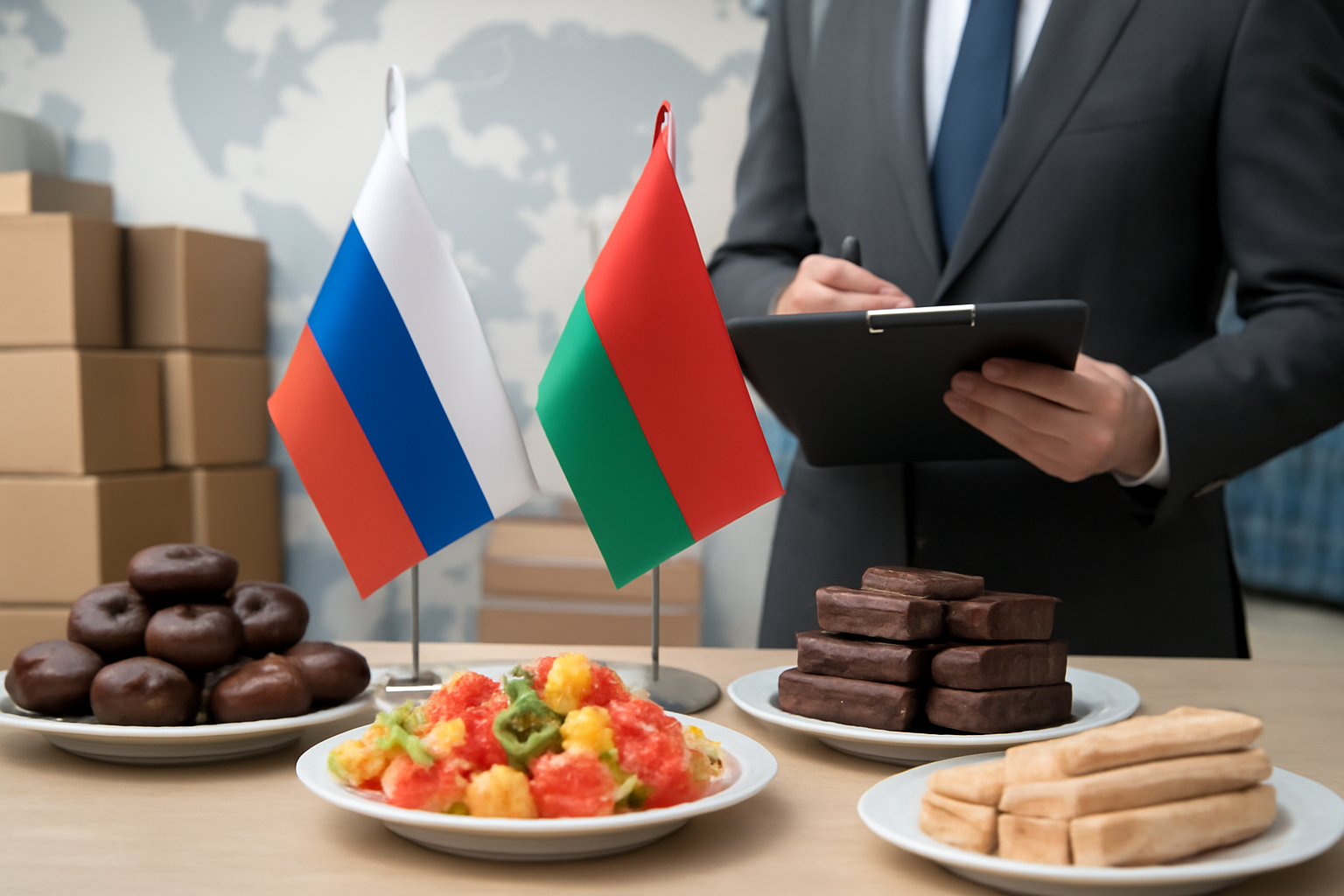
Russia and Belarus increase foreign confectionery sales
Russia and Belarus are expanding exports of confectionery products, with jams, jellies and marmalades among the goods gaining a larger role in their foreign sales. Rossiyskaya Gazeta reports that Belarus leads the ranking of foreign buyers of Russian products in these categories. At the same time, Belarus is increasing its own shipments of similar confectionery products to external markets.
The development highlights two connected trade trends. Russia is strengthening sales to a neighboring market with established commercial ties, while Belarus is acting both as a major destination for Russian goods and as an exporter in its own right. The available source material does not provide shipment volumes, values, growth rates or a breakdown by destination beyond the bilateral relationship, so the scale of the expansion cannot be quantified.
Belarus combines import demand with export ambitions
Belarus’s position as the largest foreign buyer of Russian jam, jelly and marmalade indicates that bilateral demand is an important channel for Russian producers. Geographic proximity can support regular deliveries of packaged food, while established trade relationships give manufacturers a practical base from which to maintain production runs and develop brands. The source does not identify individual producers, processors or distributors involved in these flows.
Belarus is also seeking additional foreign outlets for comparable products. That makes the country both a customer and a potential competitor for Russian confectionery suppliers in third markets. The commercial effect will depend on product positioning, retail access, packaging, logistics and the ability of producers to meet the requirements of each destination. No specific new markets or regulatory measures are named in the supplied report.
Processing and market access shape the opportunity
Jams, jellies and marmalades are processed foods rather than unprocessed agricultural commodities. Export growth therefore matters not only to fruit suppliers but also to sugar users, food processors, packaging companies, logistics providers and retail distributors. Expanding foreign sales can help factories broaden their customer base and spread fixed production costs across larger output, although the source offers no data on capacity or utilization.
For importers and retailers, a larger supply base from Russia and Belarus may widen sourcing options within the confectionery and preserved-fruit categories. For producers, however, entering additional markets requires more than increasing factory output. Labeling, shelf life, product consistency and local consumer preferences can determine whether shipments become repeat business.
Bilateral strength does not yet show global scale
The leading position of Belarus among buyers of Russian products provides evidence of a strong regional trade route, but it does not by itself establish how competitive either country is in the wider global market. Without figures for export revenue, tonnage, prices or destination shares, comparisons with other suppliers would be speculative.
The clearest signal is that both countries see processed confectionery as an export category with room to grow. Russian manufacturers have a significant buyer in Belarus, while Belarusian suppliers are pursuing their own foreign sales. Further evidence on destinations, contract volumes and production investment will be needed to judge whether this becomes a broader and sustained expansion.