Russian Beer Consumption Falls to Record Low of 60 Liters in 2025
Per-capita beer consumption in Russia dropped 17% in 2025 to a record-low 60 liters, while retail sales fell 16.7% to 607.06 million decaliters. Rising excise taxes, a production-demand mismatch of nearly 200 million decaliters, and administrative restrictions are reshaping the market, even as imported beer holds a steady 5-6% share.
Consumption Drops to Record Low
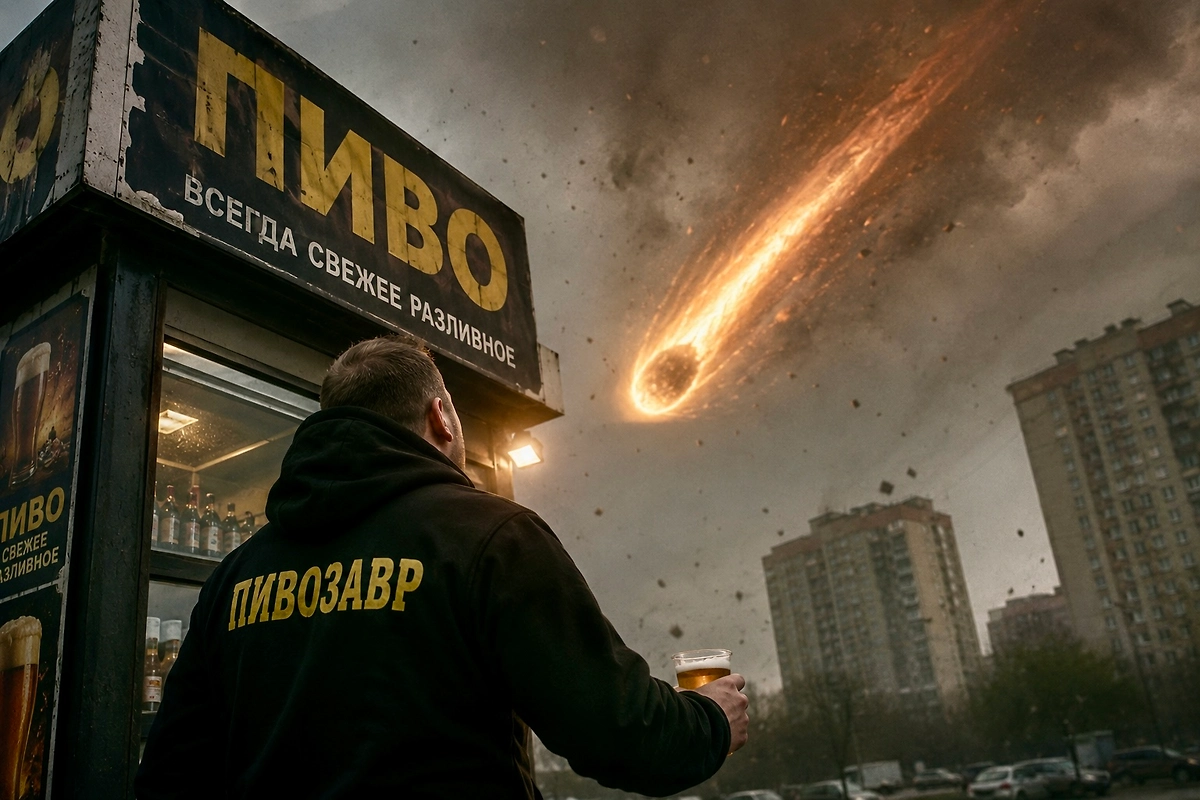
Per-capita beer consumption in Russia fell to 60 liters in 2025, a historic low and a 17% decline from 2024, according to Forbes, as cited by gubdaily.ru, and confirmed by vc.ru. Retail beer sales for the year fell 16.7% to 607.06 million decaliters, vc.ru reported, marking one of the sharpest annual contractions the market has recorded. Sergey Yarunin, director of the Union of Participants of the Beer and Non-Alcoholic Beverage Market, described the situation to Life.ru as a “destructive resonance” of several factors hitting the market at once: a generational shift away from beer among younger drinkers, tighter state regulation that has pushed up prices, and a rise in unrecorded, illegal consumption.
Production Outpaces Demand
Brewers cut output far less than sales fell: production declined just 1% in 2025, to 781.14 million decaliters, vc.ru reported. That left shipments exceeding real consumption by nearly 200 million decaliters — 2.6 times the gap recorded in 2024, and equivalent to 17 liters of unsold beer per adult Russian. Because beer is perishable, most brewers are now sitting on overstocked warehouses with a real risk of write-offs, according to vc.ru. Forbes, cited by gubdaily.ru, noted that 2024 had been a record year for the industry, with demand supported by the exit of foreign brands and higher duties on imported wine.
Taxes, Regulation and Prices
Beer prices rose more than 15% in 2025 against overall inflation of 5.6%, gubdaily.ru reported, citing Forbes. The main driver was excise tax: the rate on beer with strength between 0.5% and 8.6% rose 11% to 30 rubles per liter in early 2025, then climbed a further 10% to 33 rubles per liter from January 1, 2026, vc.ru said. Excise and VAT now account for a third of production cost, according to industry estimates cited by vc.ru. Sales fell a further 1.9% in the first five months of 2026, with the strong-beer segment (above 8.6% ABV) down almost 11%. Daniil Briman, chairman of the council of the Union of Russian Brewers, called the combination of tax burden, digital regulation and administrative requirements a “real storm,” saying brewers are increasingly forced to act as compliance specialists rather than producers. Regional restrictions have also thinned distribution: the number of stores and catering venues with alcohol licenses fell 4.6% over the year, and specialized alcohol retailers in cities with over a million residents declined 7%, vc.ru reported.
Imports, Substitutes and Outlook
Imported beer's share of the Russian market has held steady at 5-6% despite the tariff increases, according to vc.ru. Chinese beer, backed by export subsidies from Beijing, is capturing a growing share of that volume, while supplies from Belarus, Armenia and Kazakhstan remain significant. Beer from Germany, the Czech Republic and Belgium continues to reach Russian shelves through channels within the Eurasian Economic Union that bypass the higher duties, vc.ru said. Sales of home-distilling equipment on marketplaces rose 48% in units in the first four months of 2026 compared with a year earlier, while cider production grew 27.8% and mead 11.1%, vc.ru reported. The National Rating Agency forecasts the gap between shipments and consumption will stay near 173 million decaliters in 2026, with industry-wide output and sales expected to fall a further 3-5%. A new state standard taking effect in 2027, requiring beer to contain at least 80% malt, is expected to raise production costs again. Yarunin told Life.ru the market may shift toward premiumization, with revenue holding up even as sales volumes decline.