Romania leads EU plum production with a harvest of about 600,000 tonnes
Romania produced about 600,000 tonnes of plums last year, the largest crop in the European Union, and growers expect another strong harvest. Yet fragmented supply, limited cold storage and retailers’ specifications continue to leave room for imported fruit.
Romania retains the EU lead
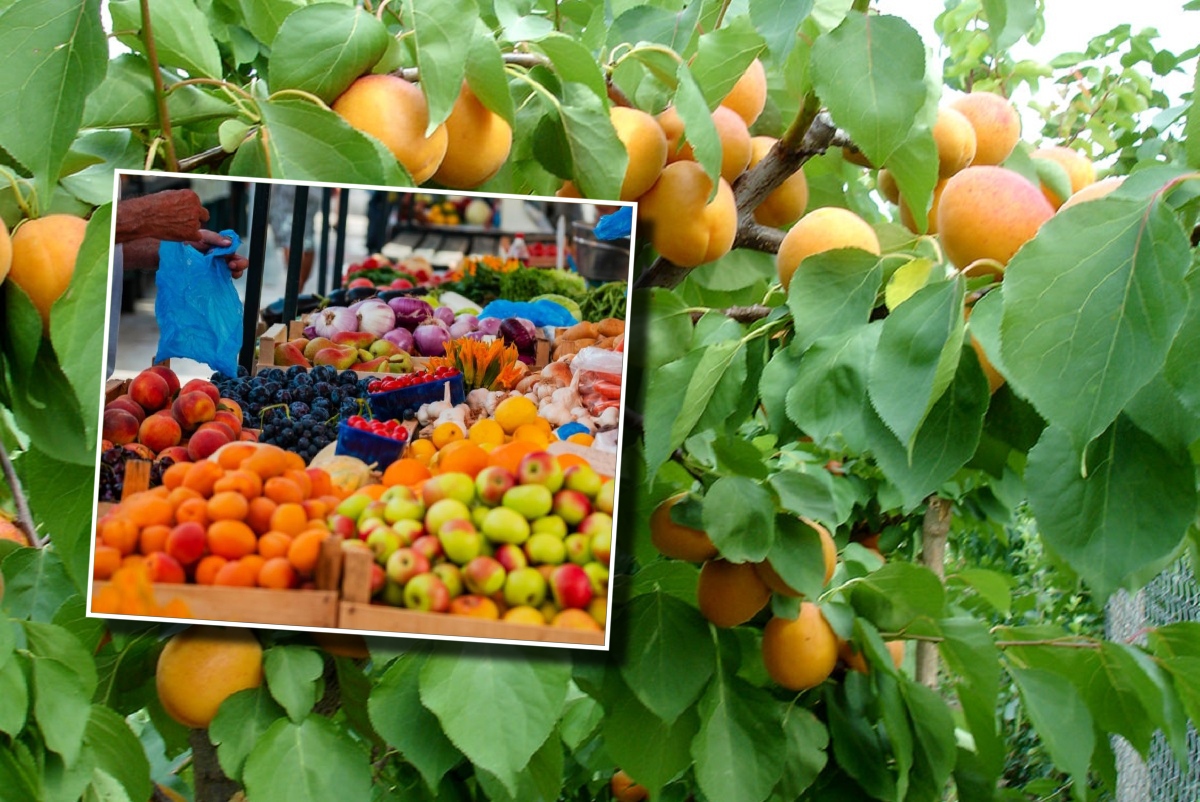
Romania’s plum harvest is expected to be strong again after the country produced about 600,000 tonnes last year, the largest volume in the European Union, according to Click. Trees in many growing areas are carrying more fruit than expected, reinforcing Romania’s position at the centre of European plum production.
Local producer Constantin Cozma expects to collect six to seven tonnes this season and reported harvesting 30 kilograms from a single tree. Across Romania, 28 plum varieties are ripening, ranging from early cultivars intended for fresh consumption to traditional varieties used for preserves and fruit spirits.
Most fruit remains outside major retail chains
The scale of national output does not translate directly into a consistent presence in supermarkets. Click reports that much of the crop is absorbed by households, traditional markets and fairs. A large share is processed into magiun, jam, compote or distilled into țuică, rachiu and palincă.
Romania has Europe’s largest area planted with plum trees, but production is divided among thousands of small farms, household plots and family orchards. Individual growers often cannot guarantee the stable daily volumes, uniform sizing and standardized packaging required by large retail chains. This fragmentation limits their ability to turn a large seasonal crop into a predictable commercial supply.
Retail contracts also require traceability, certification, refrigerated storage and controlled transport. Few small growers have automatic grading lines or sufficient cold-storage capacity, while investments in packing centres and refrigerated warehouses are difficult to finance individually. According to Click, the lack of effective cooperatives leaves supply dispersed and prevents the commercial chain from aggregating fruit at the scale retailers need.
Imports fill a logistics gap
Supermarkets therefore continue to import plums despite Romania’s leading production. Large suppliers in southern Europe can offer stable volumes, standardized quality and predictable deliveries under long-term contracts. Commercial standards and negotiated European prices can consequently outweigh proximity to Romanian orchards when retailers select suppliers.
The contrast between a crop of about 600,000 tonnes and continuing imports points to a market-access problem rather than a shortage of fruit. Romania has ample raw production and a strong domestic processing tradition, but more grading, packing, cooling and coordinated marketing capacity would be needed to redirect a larger share into modern retail. For growers and processors, the central issue is whether fragmented seasonal output can be consolidated without weakening the household and traditional-market channels that currently absorb much of the harvest.
Full market analysis