Romania’s apple harvest rises tenfold, but imports retain shelf space
Romania’s apple harvest is expected to be about ten times larger than last year, pushing market prices down to 3.50-5 lei per kilogram. Yet local growers, particularly organic producers, continue to struggle to enter supermarket chains, leaving room for imported fruit.
A much larger crop lowers prices
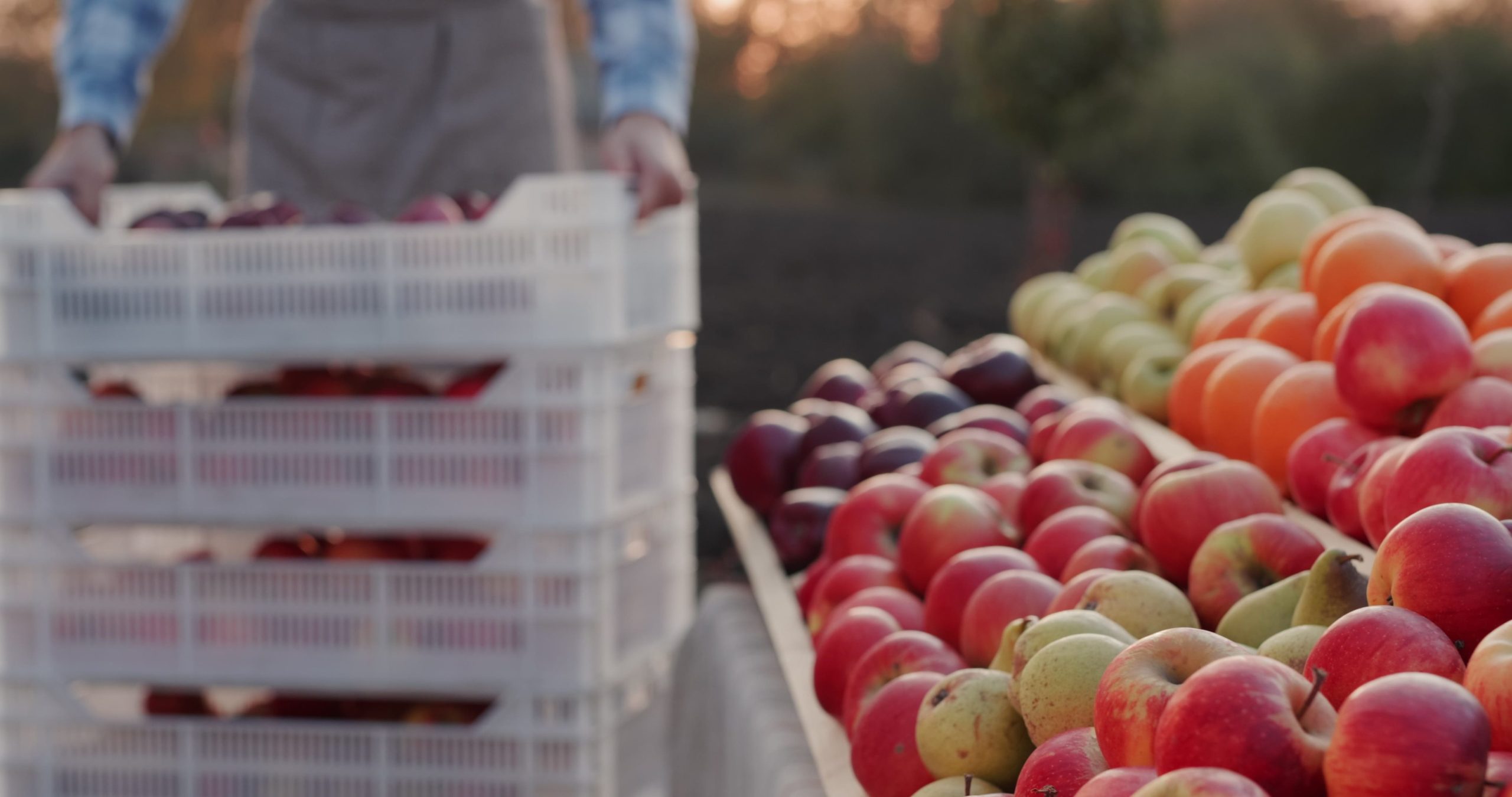
Romanian apple growers expect this year’s harvest to be approximately ten times larger than last year’s, according to Playtech.ro. The sharp increase in available fruit is already changing the domestic market: Romanian apples are forecast to be about 30% cheaper, while prices in traditional markets currently range from 3.50 to 5 lei per kilogram.
The comparison reflects an unusually weak base last year, but the scale of the rebound still creates an immediate marketing challenge. A tenfold increase means growers must place substantially more fruit with consumers, retailers or processors during the season. Lower prices can stimulate household demand, but they also reduce revenue per kilogram and increase pressure to sell the crop before quality deteriorates.
Imports remain visible despite local abundance
Imported apples continue to occupy a place in Romania’s market even as domestic supply expands. The available reporting does not provide import volumes, origins or prices, so the effect on total trade cannot be quantified. However, the contrast between a large Romanian harvest and the continued presence of foreign fruit highlights a gap between agricultural production and access to retail distribution.
Playtech.ro reports that Romanian apples are valued by consumers for their flavor and aroma, although their appearance may be less uniform than that of imported fruit. Visual consistency can matter in modern retail, where fruit must meet standardized specifications for size, color, packaging and shelf presentation. Imported supply may therefore remain competitive in channels that prioritize uniformity and predictable deliveries, even when local fruit is plentiful and cheaper in open markets.
Supermarket access is the central constraint
The most direct obstacle described by growers is access to large supermarket chains, particularly for organic apples. Farm representative Ghiță Roxana told Observator News that producers had not managed to place their organic output in any supermarket chain. She said large quantities of fruit had been discarded in previous years because growers had nowhere to deliver them.
This distribution bottleneck helps explain why abundant production does not automatically displace imports. Supermarkets require coordinated volumes, sorting, storage, packaging and delivery schedules. The source does not establish which of these requirements prevented the organic farms from securing listings, but the reported outcome is clear: local fruit was available while a major sales channel remained closed.
Growers face pressure to find alternative outlets
Prices of 3.50-5 lei per kilogram offer consumers a direct benefit from the larger harvest, but growers carry the commercial risk. Producers unable to secure supermarket contracts must depend more heavily on traditional markets, direct sales or other buyers. If these outlets cannot absorb the crop, oversupply may produce further price pressure or renewed waste.
For processors and traders, the enlarged harvest potentially creates more sourcing opportunities, although Playtech.ro provides no figures on processing capacity, storage or industrial demand. The decisive issue will be whether Romania’s supply chain can move the additional apples into viable sales channels. Without broader retail access, the tenfold harvest increase may strengthen consumer choice without delivering a comparable improvement in growers’ market position.