Rapeseed and other oilseeds retreat as weaker crude and US harvests pressure markets
Rapeseed, canola and soybeans declined as falling crude prices weakened support from the biofuel sector. Wheat also eased, while US harvest pressure pushed Chicago corn lower and drought concerns lifted Euronext corn.
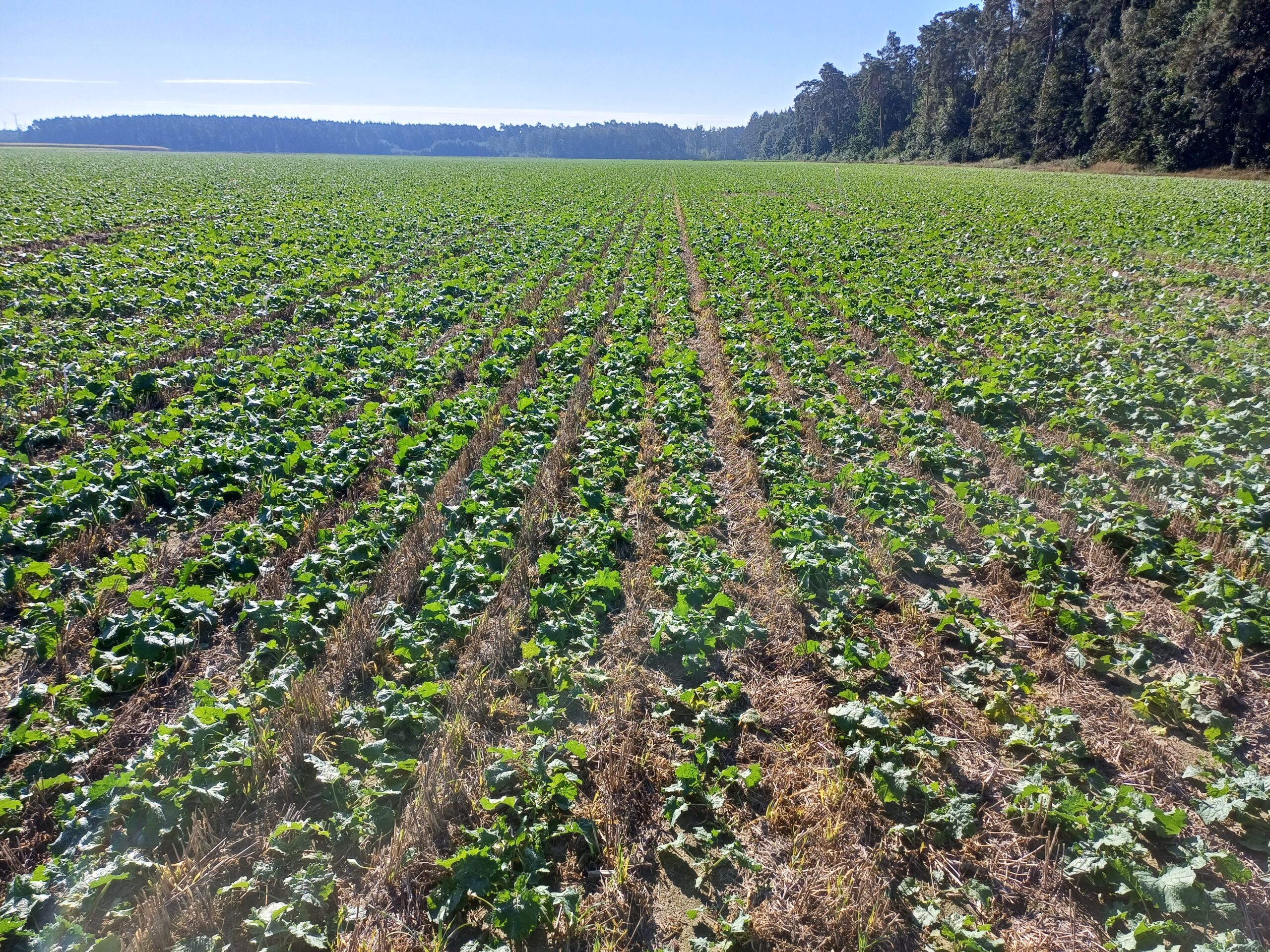
Crude oil decline reaches oilseed contracts
Oilseed markets came under renewed pressure during trading on Thursday, September 17, and Friday, September 18, as a sharp fall in crude oil prices weakened the economic support provided by the biofuel sector. Agronews reported that most major agricultural contracts declined after an earlier rally, with rapeseed, canola and soybeans among the products most exposed to the change in sentiment.
On Thursday, Brent crude fell 1.64% to $104.09 per barrel. Euronext rapeseed dropped €2.25 to €548.50 per tonne, while Chicago soybeans declined 0.08%. Soybean meal was the main exception, rising 1.48% to $371 per tonne. The market also reacted to reports that Saudi Arabia's East-West oil pipeline was gradually returning to operation, prompting traders to reduce part of the geopolitical risk premium previously supporting crude prices.
The pressure continued on Friday morning. Brent was down about 1.87% and WTI lost 1.65%. Euronext rapeseed fell another €2.75, or 0.50%, to €545.75 per tonne. Winnipeg canola recorded a larger decline of C$10.30, or 1.24%, to C$823.60 per tonne. Chicago soybeans dropped 1.16%, while soybean meal reversed part of its previous gain with a 1.64% decline.
Wheat and US corn face supply pressure
Grain futures also traded mostly lower. Euronext wheat ended Thursday at €243.50 per tonne, down €1, or 0.41%, while Chicago SRW wheat lost 0.68%. By Friday morning, the Euronext contract had slipped another €0.25 to €243.25 per tonne. Agronews identified weak US export figures as one constraint on a recovery: weekly US wheat exports were only about 326,000 tonnes.
Corn reflected diverging regional supply conditions. Paris corn declined slightly on Thursday to €261.75 per tonne, and Chicago corn lost 0.61%. On Friday, however, Euronext corn rose €1.50, or 0.57%, to €263.25 per tonne as the market assessed the risk that severe drought would reduce the French harvest.
Chicago corn moved in the opposite direction, falling another 0.38% on Friday. Advancing US corn and soybean harvests are increasing the immediate availability of both crops, adding selling pressure to Chicago futures. The contrast leaves European corn more sensitive to French production risks, while the US market remains focused on the flow of newly harvested grain.
Currency offers limited relief in Poland
Polish exporters received some support from a weaker zloty. On Friday morning, USD/PLN returned to around 3.80, while EUR/PLN approached 4.36. The currency movement improves the competitiveness of Polish exports and partly cushions the fall in international futures, according to Agronews.
That support has not reversed the broader trend. Large global supplies, the progressing US harvest and lower Euronext prices continue to restrict the potential for stronger procurement prices at Polish ports and inland elevators. The immediate direction of oilseeds will depend heavily on crude oil, while corn and soybean markets will track the pace and results of the US harvest. For European corn, confirmation of drought-related losses in France could keep Euronext firmer than Chicago even if the wider agricultural complex remains under pressure.