ProteinSib builds pea-processing plant in Ishim with export ambitions
ProteinSib is building a plant in Ishim capable of processing 70,000 tonnes of peas annually into protein isolate, starch and fiber. Most output is intended for Russia’s domestic market, while the company also aims to capture up to 5% of global consumption of these products.
Plant designed for 70,000 tonnes of peas a year
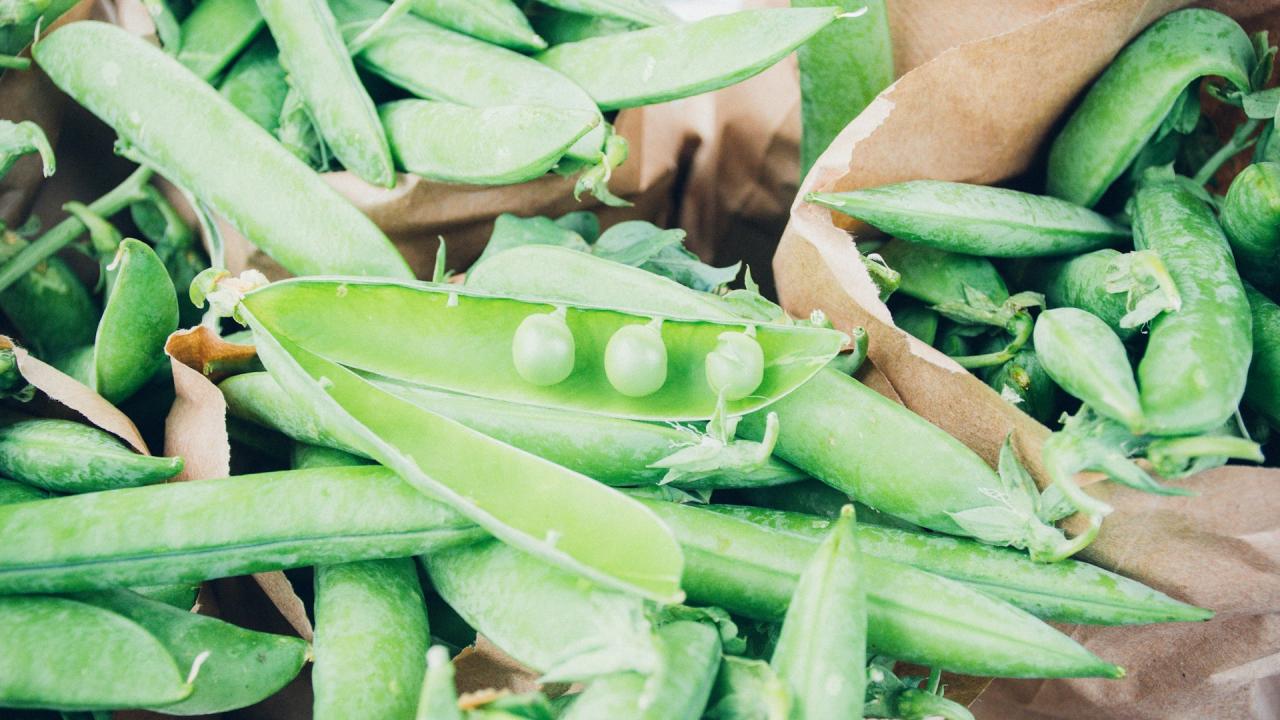
ProteinSib, a company owned by the Yubileiny agricultural holding, is building a deep-processing plant for peas in Ishim, Russia. The facility is designed to process 70,000 tonnes of raw material annually into pea-protein isolate, starch and fiber, according to Pravda.ru.
Technological production lines are currently being installed, and equipment is being prepared for commissioning. The available information does not specify an opening date, investment value or expected production volumes for each finished ingredient.
The project will give the agricultural holding an outlet for peas beyond sales as an unprocessed crop. By separating the raw material into several ingredients, ProteinSib intends to produce goods with higher added value and establish a local processing chain. The model could retain a larger share of the crop’s value in the region rather than transferring it to processors elsewhere.
Domestic customers will take most output
Most of the plant’s production is planned for Russia’s domestic market. Pea-protein isolate can be used in specialized nutrition, including sports, infant and dietary products. Pravda.ru said the ingredient is valued for its hypoallergenic properties and high digestibility.
Starch and fiber give the project additional product streams alongside protein isolate. This diversified output is commercially important because a deep-processing facility must find buyers for several fractions of the same raw material. The plant’s market position will therefore depend not only on demand for plant protein, but also on its ability to sell starch and fiber consistently.
Domestic production may provide Russian food manufacturers with a locally processed source of pea-based ingredients. However, the source material does not identify prospective customers, supply contracts or the share of Russian demand that ProteinSib expects to cover. It also provides no pricing information or comparison with imported ingredients.
Company targets a share of global consumption
Although the domestic market is the main destination, ProteinSib is also being developed as an export-oriented project. The company plans to account for as much as 5% of global consumption of the products it will manufacture, Pravda.ru reported. No target countries, export timetable or breakdown between protein isolate, starch and fiber was disclosed.
The ambition makes reliable access to raw peas, stable product specifications and logistics central to the project’s commercial prospects. Export buyers of food ingredients generally require consistent quality across shipments, while the sale of multiple processing fractions requires separate customer channels. The plant remains at the equipment-installation stage, so its eventual contribution to international supply will depend on commissioning and the successful scaling of production.
The development may also affect the economy around Ishim. Olga Morozova, a specialist in regional infrastructure and urban development cited by Pravda.ru, said industrial projects in smaller cities can support local logistics and service companies. For pea growers, the facility could create a nearby industrial customer for their crop; for food processors, it could add a domestic supplier of protein isolate, starch and fiber. The scale of those effects cannot yet be measured because procurement arrangements, employment figures and operating schedules have not been published.