More Nutrition and ESN push protein products into Germany’s mainstream food market
German brands including More Nutrition and ESN are extending protein positioning beyond specialist products into pizza, bread and milk. The expansion is creating a billion-euro segment and bringing protein-focused products into direct competition with conventional food brands.
Protein moves beyond specialist nutrition
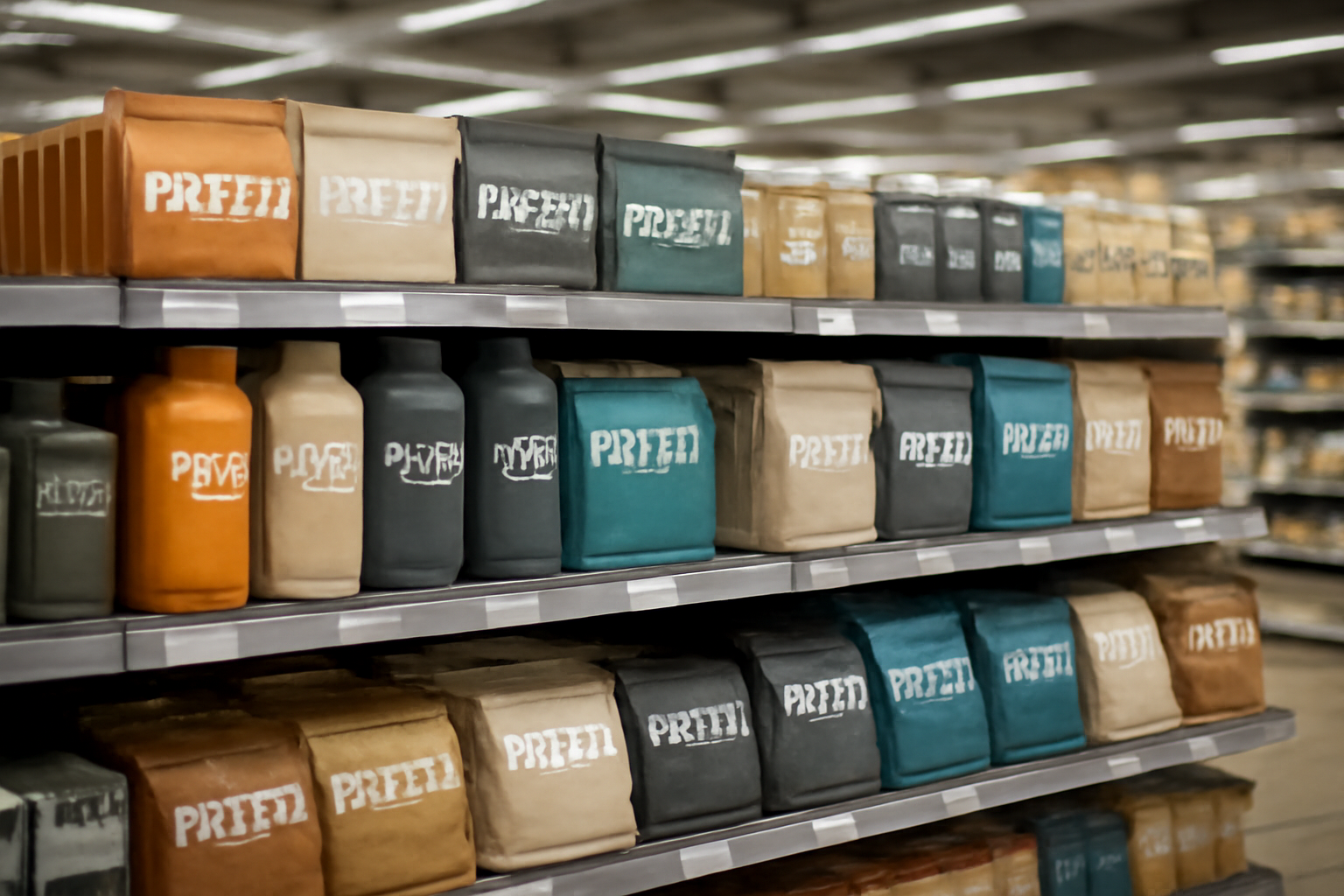
Protein-enriched food is moving into the German consumer mainstream. Products marketed around their protein content are no longer confined to conventional sports-nutrition categories. Protein is now being incorporated into everyday foods including pizza, bread and milk, widening the addressable market for manufacturers and brands.
More Nutrition and ESN are among the companies helping to drive this expansion. Their positioning connects specialist nutrition with familiar food formats, allowing consumers to buy protein-oriented products without substantially changing what they eat. For Germany’s food industry, that makes protein not only an ingredient claim but also a platform for extending brands across multiple categories.
A billion-euro segment takes shape
The market has developed into a billion-euro business. That scale shows how protein products have progressed beyond a narrow customer base and entered a wider consumer market. The opportunity now covers established nutrition brands, conventional food producers, ingredient suppliers and retailers deciding how much shelf space to allocate to the category.
Expansion into pizza, bread and milk also changes the competitive landscape. Protein specialists can challenge traditional food companies in high-frequency purchasing categories, while incumbent producers can add protein variants to existing ranges. The result is a broader contest over product formulation, branding, pricing and access to retail distribution.
Everyday formats widen the customer base
Using familiar foods reduces the distance between specialist nutrition and routine consumption. Pizza and bread place protein positioning in staple or convenience formats, while milk provides a direct route into an established dairy category. Each format gives brands a different way to reach consumers outside the core sports-nutrition market.
This approach also increases the importance of product development. Producers must combine the promoted protein content with the taste, texture and preparation characteristics expected from the underlying food. A protein claim may attract initial attention, but repeat purchasing depends on whether the product performs as pizza, bread or milk rather than simply as a nutrition product.
Implications for Germany’s food industry
The growth of the segment gives processors and ingredient suppliers an incentive to develop formulations suitable for several food categories. Retailers, meanwhile, must decide whether protein products belong in dedicated nutrition sections or alongside conventional alternatives. Placement will affect whether the category remains associated with specialist consumers or becomes a standard part of grocery shopping.
More Nutrition and ESN demonstrate how brands built around nutritional positioning can extend into mainstream food. The next stage will depend on whether protein-enriched versions can secure repeat demand across everyday categories. For producers and investors, the central question is no longer whether protein can be sold outside sports nutrition, but which formats can sustain a durable consumer business.