Primorye clears 19,600 tonnes of soybean meal for export to China
Laboratory specialists in Russia’s Primorye region cleared 19,600 tonnes of locally produced soybean meal for export to China between the start of the year and July 28. The certified volume was 18% higher than in the same period last year.
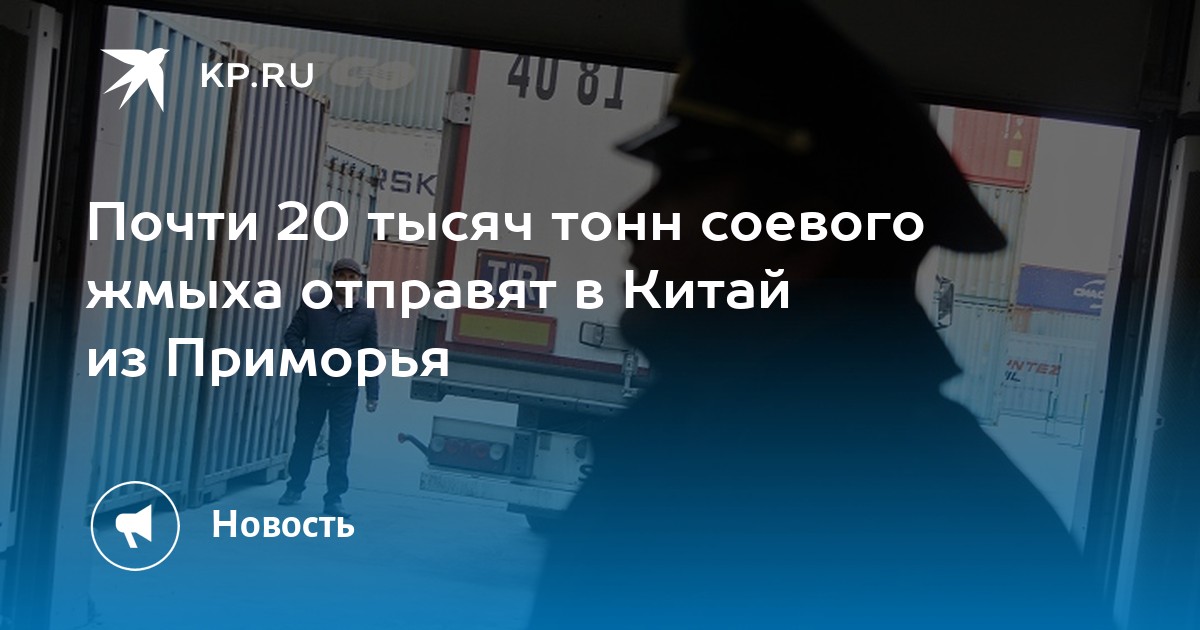
Export volume reaches 19,600 tonnes
Producers in Russia’s Primorye region have prepared 19,600 tonnes of soybean meal for shipment to China after the product passed safety and quality controls. The volume covers export batches inspected between the beginning of the year and July 28, according to Komsomolskaya Pravda – Vladivostok.
The soybean processing residue will be used as a feed ingredient for agricultural animals. All inspected goods were produced by local companies and have received the certificates required for export. The batches are now ready to be sent abroad with the necessary documentation.
The Primorye branch of the Federal Centre for Quality and Safety Assurance for Grain and Grain Products said exports increased by 18% compared with the same period last year. The branch attributed the increase to growing Chinese demand for soybean meal and the product’s compliance with the importing country’s requirements.
Laboratories conduct 12,000 tests
Inspectors conducted 12,000 laboratory tests before approving the export volume. Laboratories received 732 samples taken from individual export consignments, Komsomolskaya Pravda – Vladivostok reported.
The tests assessed the soybean product against key safety indicators required by China. The source did not disclose the size of individual consignments, the names of the exporters or buyers, shipment dates, prices, ports of departure or contract values. It also did not specify which indicators were tested or identify the final destinations within China.
Certification is a necessary step before the feed material can cross the border. For processors and exporters, the completed checks remove a regulatory obstacle but do not by themselves confirm that all 19,600 tonnes have already been physically shipped. The reported volume consists of goods cleared and documented for export.
Feed demand supports the Far East route
Soybean meal is a protein-rich material remaining after soybeans are processed and is widely used in livestock feed. In Primorye, proximity to China gives local processors a direct outlet for this by-product, provided their consignments meet Chinese safety and documentation rules.
The 18% year-on-year increase indicates that the route is handling more certified product, although the available data do not show whether the gain came from additional producers, larger consignments or more frequent deliveries. For local soybean processors, access to Chinese feed demand can expand the market for processing residues alongside their other soybean products.
For Chinese feed buyers, certified supplies from Russia’s Far East add a nearby source of soybean-based feed material. The commercial impact will depend on actual shipment schedules, delivered prices and demand from livestock producers, none of which were disclosed in the report. The immediate development is regulatory and operational: 19,600 tonnes have passed inspection, received certificates and are ready for export.