Poor monsoon could lift India’s lentil and pea imports in 2026-27
India could require elevated lentil and pea imports in 2026-27 after a poor monsoon, The Western Producer reported, citing an analyst. Larger Indian purchases would increase competition for available pulses and could tighten supply for other importing markets.
Weather raises import requirements
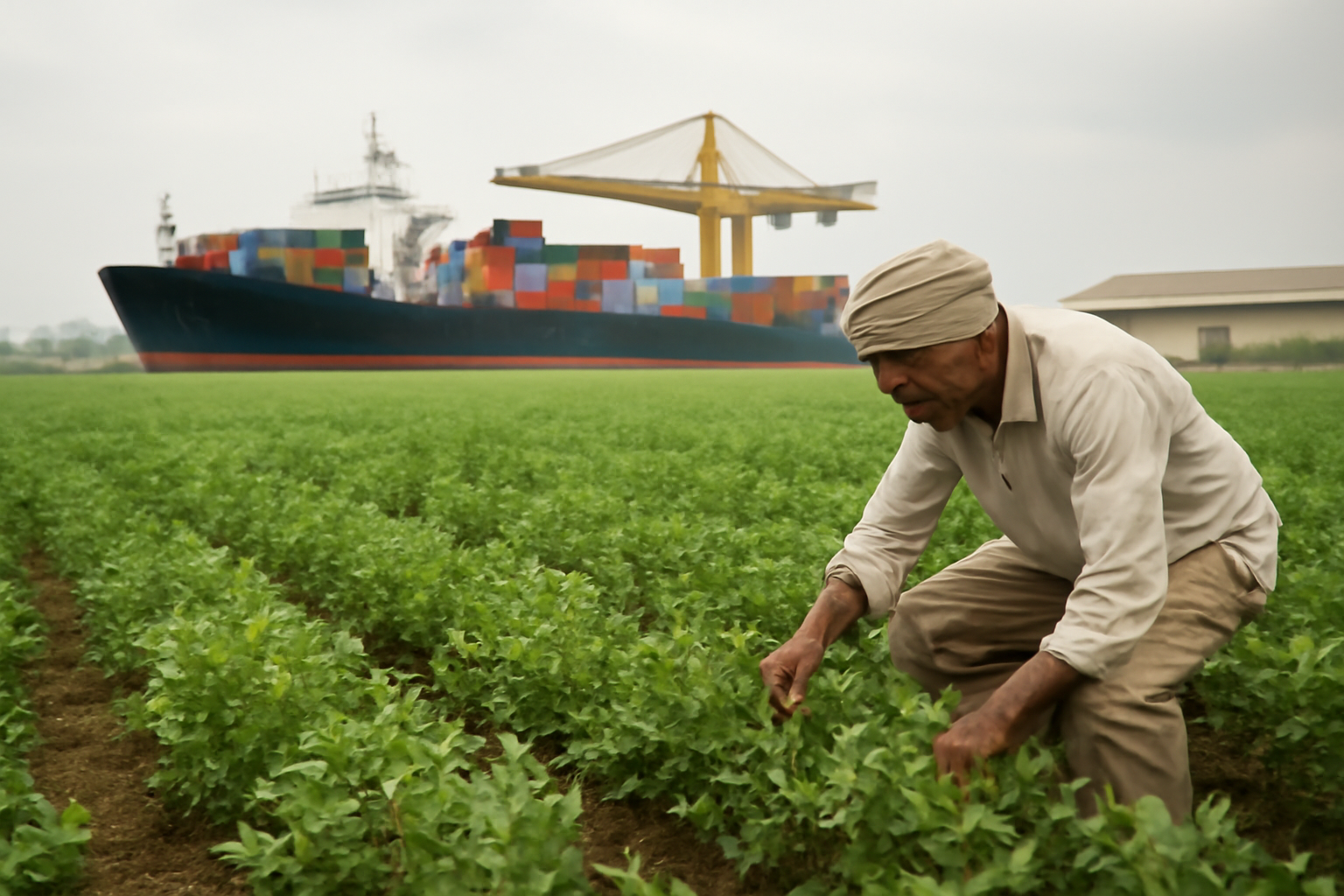
India’s poor monsoon season could result in elevated lentil and pea imports during 2026-27, according to an analyst cited by The Western Producer. The assessment points to a potentially significant change in purchasing by a market whose demand can influence availability across the international pulse trade.
The report does not provide a forecast for India’s import volume or quantify the effect of weak rainfall on domestic output. The direction of the risk is nevertheless clear: if the monsoon reduces the availability of locally produced pulses, importers will need to cover a larger share of demand with foreign supplies. The eventual requirement will depend on the size and quality of the domestic crop, available stocks and purchasing decisions within India.
Lentils and peas are especially relevant because the report identifies both commodities as likely targets for higher purchases. Import demand may not rise evenly across the two markets. Indian buyers can adjust their procurement according to domestic availability, relative prices and the supplies offered by exporters, so the effect on each commodity will become clearer as crop and purchasing information develops.
Competition for exportable supplies
A sustained increase in Indian buying would have consequences beyond the domestic market. Exporters could gain access to a larger sales opportunity, while importers in other countries may face stronger competition for available cargoes. The pressure would be greatest if Indian demand rises when exportable lentil and pea supplies are already limited.
For traders, timing will matter as much as total volume. Concentrated purchases can tighten nearby availability even when enough product exists over the full marketing year. A gradual import programme would spread the impact, while rapid buying could make it harder for competing customers to secure prompt shipment. The source material does not specify when India may enter the market or which origins would supply the additional volume.
The outlook therefore creates a conditional rather than a confirmed shortage. Higher imports would transfer part of India’s weather-related production risk to the international market. Producers and exporters would see additional demand, but processors and importers elsewhere could encounter less flexibility when arranging coverage.
Market waits for clearer demand signals
Industry participants will need firmer evidence on India’s crop performance before estimating the scale of the trade response. Import decisions, rather than the poor monsoon alone, will determine how much pressure reaches global lentil and pea markets. Announced purchases and actual cargo movements will provide the clearest indication that the weather problem is translating into international demand.
Exporters may prepare for greater Indian interest, but committing to a specific volume would go beyond the available information. Other importing markets likewise face a risk, not a predetermined outcome. Their exposure will depend on whether India’s needs remain elevated through 2026-27 and whether exporters can meet that demand without materially reducing supplies available to other buyers.
The central market implication is straightforward: a weather-related shortfall in a major consuming country can intensify competition for pulses even before its final import requirement is known. Until production and purchasing data provide greater certainty, lentil and pea traders will treat India’s monsoon outcome as an important source of demand risk for 2026-27.