Polish Apple Crop Could Fall Below 3 Million Tonnes After Frost and Hail
Poland’s apple harvest could fall below 3 million tonnes after spring frost and hail damaged orchards unevenly across the country. Domestic demand should still be covered, but tighter export availability may force suppliers to prioritize markets and maintain regular sales.
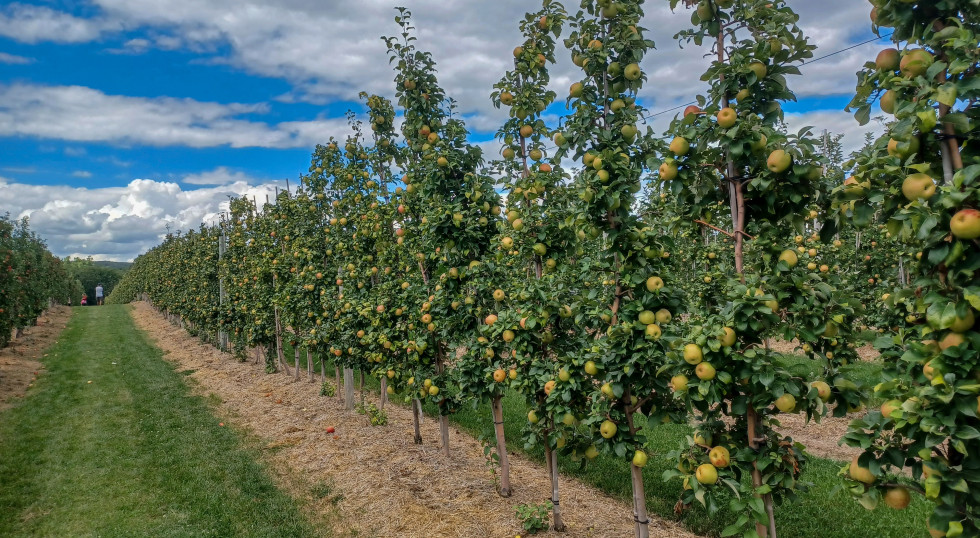
National forecast points to a smaller crop
Poland could harvest less than 3 million tonnes of apples this season, according to an estimate from the Polish Fruit Growers Association reported by SadyOgrody.pl. Mirosław Maliszewski of the association said its analyses indicate that production will be substantially lower than in previous seasons. The assessment draws on information from most Polish growing regions, including the country’s largest apple-producing areas.
The national figure masks wide differences between orchards and regions. Maliszewski said the outcome depended on the development stage of trees, flowers and young fruit when successive waves of cold air arrived. Spring frost was a major source of damage, while hail also caused losses in some locations. These uneven effects mean orchards that retained their fruit may perform well financially, while farms suffering another failed season could weaken further.
Domestic supply should remain sufficient
Despite the lower forecast, Maliszewski expects Poland to have enough apples to meet domestic demand. Shortages could emerge for individual varieties and prompt limited imports, but he does not anticipate purchases on a large scale. He contrasted apples with cherries, for which Poland imported substantial volumes during the season after Turkey produced a particularly large crop.
Export availability is a greater concern. Gala, a core variety for Polish apple exports, appears to have withstood the spring frost relatively well. However, some of that fruit will be required by the domestic market. Maliszewski warned that the remaining volume may be insufficient to serve importers in less attractive price markets, citing Egypt as an example. Exporters could therefore face decisions over which customers to supply if marketable volumes prove tight.
Exporters favor regular sales over speculation
The picture at company level is less uniform. Mateusz Wajnert, sales director at Polish apple exporter Galster, told Kobieta w Sadzie that output from the company’s own orchards should be roughly equal to last year. Conditions vary among partner farms in several neighboring regions, and their Red Jonaprince harvest may be slightly smaller. Wajnert nevertheless expects normal availability overall rather than exceptionally high or low volumes. Galster’s apple orchard area has remained unchanged for three years; its only recent addition was two hectares of cherry trees planted last year.
Wajnert said exporters should distribute sales throughout the season instead of withholding fruit in anticipation of higher prices. Regular deliveries help preserve relationships with longstanding customers and reduce the risk of making the wrong price forecast. Logistics remain his main concern as the season approaches. For growers, the longer-term issue is frost protection: the Polish Fruit Growers Association is calling for changes to water and construction rules, easier access to water, and grant support for protective installations and equipment that warms the area around flowers and young fruit.