Heatwave Threatens Polish Wheat Quality as French Corn Prices Rise
An extreme late-June heatwave across western and central Poland has raised uncertainty over wheat yields and grain quality, with the full effect visible only at harvest. Meanwhile drought in France is pushing European corn futures higher, with the French harvest forecast to fall to about 9 million tonnes from over 13.5 million tonnes a year earlier.
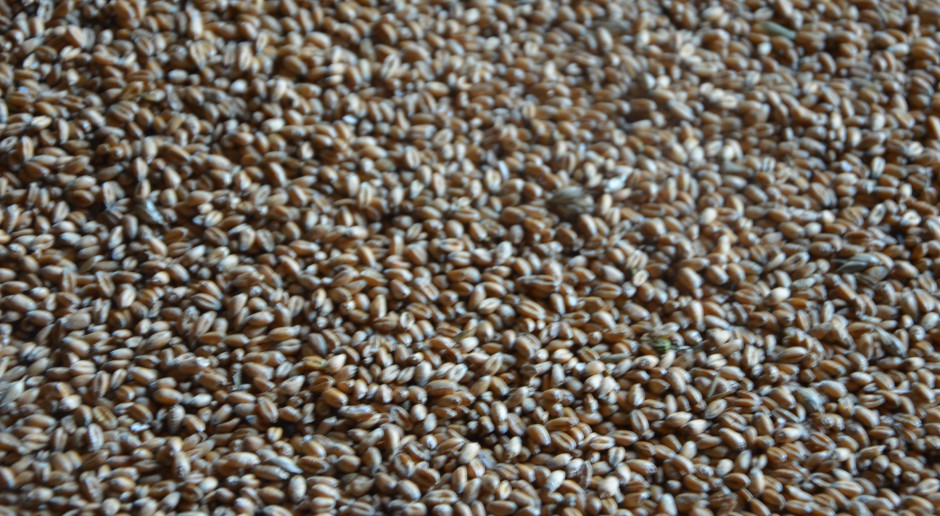
An extreme heatwave that swept across western and central Poland in late June is raising concerns over the quality and volume of this year's wheat harvest, according to farmer.pl. Air temperatures locally reached 40°C, with conditions inside the crop canopy significantly higher, and the full impact on yields will not be known until harvest.
Extreme heat clouds Polish wheat outlook
Mirosław Marciniak, an analyst at the Gdańska Giełda Zbożowa (Gdańsk Grain Exchange), told farmer.pl that no one can yet give a definitive assessment of how the June heatwave will affect both yield levels and grain quality. He described 2025 as an “experimental year,” noting that Poland has never previously seen temperatures reach 40°C as early as June, with canopy-level temperatures potentially climbing to 50-60°C.
Marciniak said part of the potential yield has already been irrecoverably lost, though the scale of losses varies sharply by region. In some parts of the country wheat still looks strong and retains high yield potential, while central Poland, which had already been affected by drought, may see markedly more serious damage from the high temperatures.
Grain quality remains an even bigger unknown than yield, according to Marciniak. The key question is not the level of protein content but its technological quality, since it is not yet known what processes occurred inside the grain under such extreme heat. Detailed answers will only emerge once the grain reaches storage facilities and laboratories for quality testing.
Market attention shifts from wheat to corn
Rising grain prices on commodity exchanges in recent days largely reflect ongoing weather uncertainty, farmer.pl reported. For wheat in the Northern Hemisphere, yield potential is in most cases already largely set. Corn, however, is entering its critical development window, with July and the first half of August determining the final harvest outcome.
The strongest upward driver for European corn prices is currently the situation in France, where corn futures on the Paris Matif exchange have risen chiefly because of difficult weather conditions. High temperatures have persisted in France for about a month, and forecasts do not point to significant rainfall, meaning part of the crop's yield potential has already been lost.
France's losses, Southeastern Europe's gains
Marciniak said forecasts point to a French corn harvest of around 9 million tonnes, down from more than 13.5 million tonnes a year earlier, with markets already factoring this into futures pricing. The picture across Europe is not uniform, however: losses in France are being partly offset by improved production prospects in Southeastern Europe. Romania, Bulgaria, Croatia and Serbia, which struggled with similar weather problems in previous years, are now in a considerably better position, which partially compensates for the drop in French output.
Global supply keeps a lid on further price gains
Marciniak noted that the ultimate direction of European corn prices will be determined by the global market. Europe remains a structural corn importer, bringing in between 17 million and 19 million tonnes of grain each year, making harvests in the United States, South America and Ukraine critical, since most imported corn comes from those regions.
US corn currently remains noticeably cheaper than French corn, increasing the competitiveness of supplies from outside Europe. As long as the United States does not face more serious weather problems, Marciniak said, the current price increases could prove short-lived, as the market seeks cheaper import alternatives and the competitiveness of American grain limits further price gains in Europe later in the season.