Poland’s tire recycling costs rise as waste volumes reach 340,000 tonnes
Poland generates about 250,000-340,000 tonnes of end-of-life tires annually, with 60% used for energy recovery and 35% recycled into materials. Grupa Recykl says higher fuel, labor and energy expenses are raising processing costs, while its first-quarter revenue growth failed to prevent a net loss.
Poland generates up to 340,000 tonnes of scrap tires
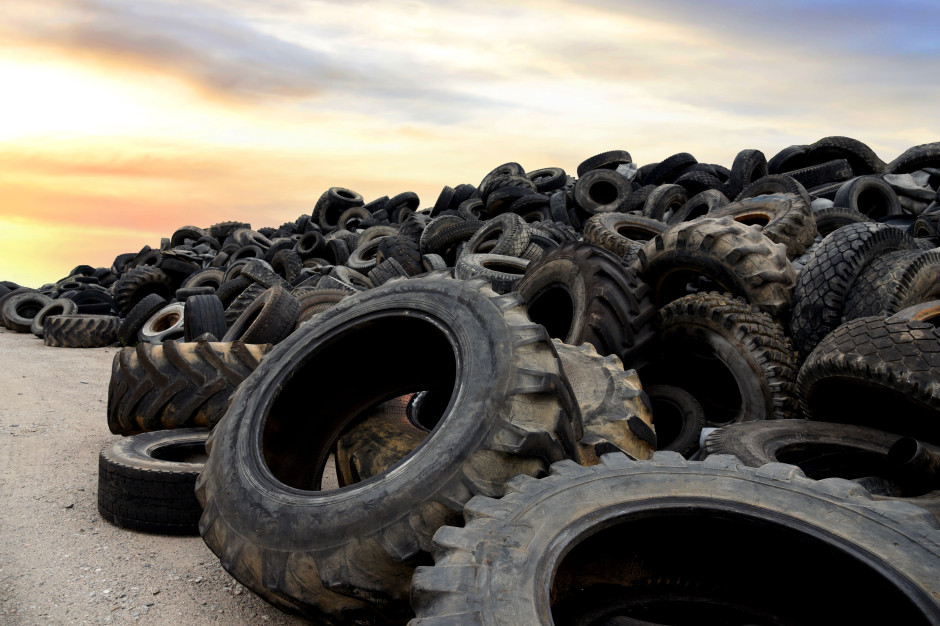
Poland produces about 250,000-340,000 tonnes of end-of-life tire waste each year, creating a substantial collection, transport and processing requirement for the country’s waste-management industry. According to WNP, about 60% of these tires undergo energy recovery, either through the co-incineration of whole tires or through alternative fuel manufactured from tire waste.
Material recycling accounts for about 35% of the total. Under the assumptions of the European Green Deal and the circular economy, recycling is expected to become the industry’s preferred treatment method over the next few years. That shift will increase the importance of plants capable of recovering rubber and other tire materials, but it comes as operators face rising expenditure on fuel, employees and the energy required for processing.
Collection system handles nationwide flows
After producers and importers became responsible for the recovery and recycling of end-of-life tires, Bridgestone, Continental, Dębica, Goodyear, Michelin and Pirelli established Centrum Utylizacji Opon Organizacja Odzysku. The company was created to build a nationwide system for collecting and transporting used tires and arranging their recovery and recycling.
Centrum Utylizacji Opon now has an estimated 40% market share and is Poland’s second-largest organization by collection and recovery volume after Grupa Recykl. It works with waste-generation points across the country, several logistics operators, cement plants, recycling businesses and a heating plant. It also cooperates with companies belonging to Grupa Recykl.
Transport and energy costs squeeze recyclers
Grupa Recykl says the several dozen vehicles operated by its companies deliver more than 750,000 used tires annually to three Polish recycling plants in Krosno Odrzańskie, Śrem and Chełm. Its vehicles carry more than 7,500 tonnes a month. Karina Rychlik-Parysek, the group’s transport and logistics manager, said the equivalent volume would fill 30 trucks arriving at each of the three factories on every working day.
The collection network includes more than 460 containers deployed in Poland and neighboring countries. More than 800 loaded containers reach the plants each month. To complete scheduled collections, the fleet travels an average of 230,000 kilometers and consumes almost 75,000 liters of fuel monthly. Grupa Recykl representatives said fuel costs alone had risen by about 35% in recent months, adding PLN 200,000-250,000 a month. Route planning and the elimination of unnecessary mileage have therefore become key cost controls.
Revenue rises but the company posts a net loss
The pressure is visible in Grupa Recykl’s results. First-quarter 2026 revenue increased to PLN 32.4 million from PLN 31.5 million in the first quarter of 2025. EBITDA edged up to PLN 3.9 million from PLN 3.8 million.
Despite those gains, the company recorded a net loss of PLN 677,000 in the first quarter of 2026, compared with a PLN 337,000 net profit a year earlier. The reversal shows how increasing operating costs can absorb modest revenue and EBITDA growth. For tire manufacturers, importers and recovery organizations, the push toward more material recycling will depend not only on available processing capacity but also on whether collection logistics and energy-intensive operations remain economically viable.