Poland Renews Push for US Market Access for Beef and Eggs
Poland is seeking to accelerate US approval for its beef, eggs and egg products after procedures lasting since 2015 and 2016. The renewed push comes as the EU lowers or removes tariffs on selected US agricultural products, although Polish officials report no domestic market disruption so far.
A decade-long approval process
Poland has renewed questions over the slow opening of the US market to its beef, eggs and egg products, while European Union tariff preferences for selected American agricultural goods have already taken effect. Poland has pursued access for beef since 2015 and for eggs and egg products since 2016, according to the Polish agricultural publication Wiesci Rolnicze.
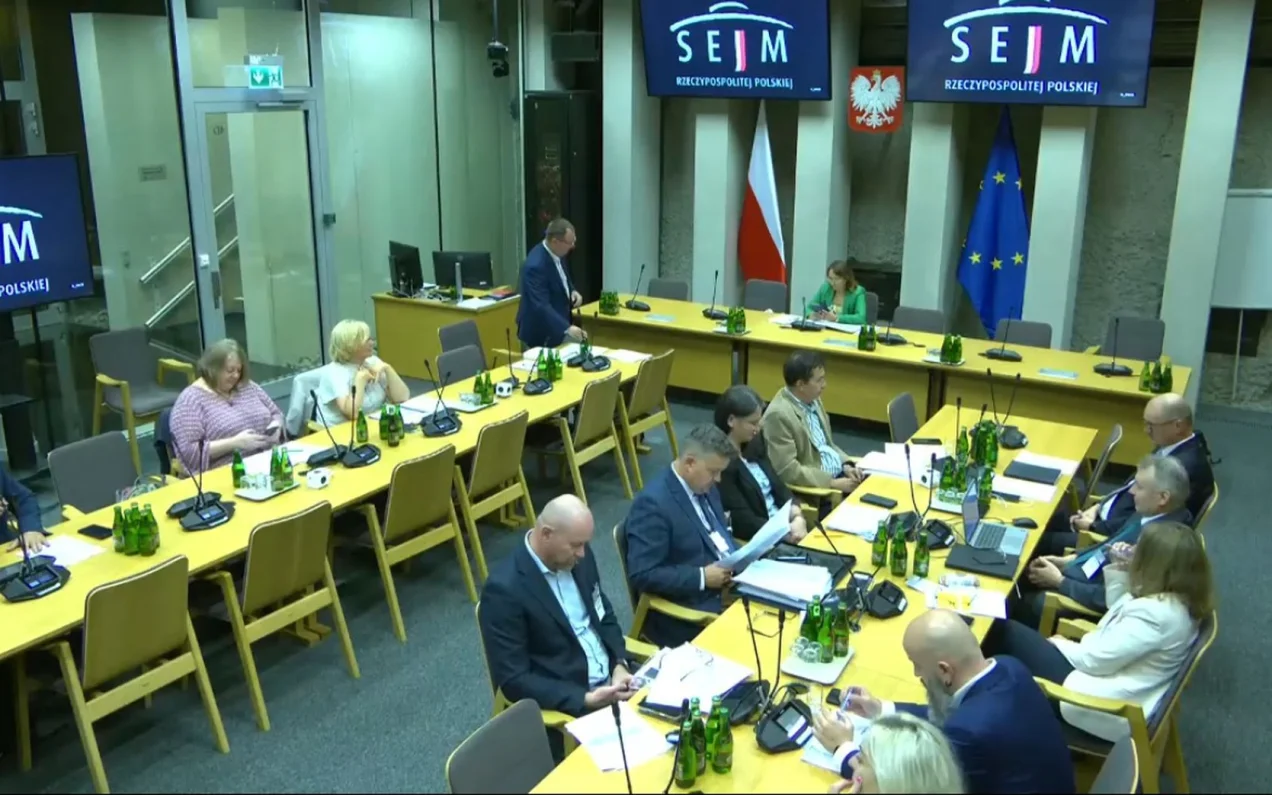
The issue was raised during a discussion involving Deputy Agriculture Minister Małgorzata Gromadzka, Finance Ministry customs official Piotr Szewczuk and representatives of Poland’s veterinary authorities. No expected completion date was given for either US approval process. Mirosław Dackiewicz, a participant in the meeting, questioned whether continuing to bear the costs of the lengthy procedure remained justified or whether Poland should focus more attention on other non-EU markets.
Paweł Kobylarz of the Chief Veterinary Inspectorate said the United States was among the most demanding export destinations. US food-safety rules differ from EU requirements, creating a prolonged process of consultations, information exchanges and responses to questions from the American authorities. Even after a market is formally opened, individual processing plants must obtain export authorization.
Plants face three levels of scrutiny
A Polish facility seeking US eligibility must pass approval at district, provincial and central levels. Only positive results at all three stages can clear a plant to supply the American market. Poland’s veterinary service says it answers US questions on an ongoing basis, but progress also depends on cooperation from the US administration.
The asymmetry has become more visible because new EU rules have reduced tariffs on selected US products, in some cases to zero. The EU has also opened duty-free tariff quotas covering products including pork, American bison meat, dairy products and cheese. Gromadzka said EU veterinary and food-safety standards for American products had not changed, which should constrain any increase in imports.
Polish officials said it was too early to assess the agreement’s effect on either the EU or Polish market. Gromadzka reported no disruption in Polish agricultural sectors from trade with the United States. She also stressed that every shipment entering directly through Poland’s section of the EU external border is inspected and can be denied market entry.
Trade data show Poland’s export capacity
The customs figures cited at the meeting cover goods cleared in Poland and exclude US products released into circulation in another EU member state before moving to Poland. Within that limitation, direct US shipments in the livestock, meat and offal categories were minimal between 2020 and 2025: officials recorded one tonne of live domestic poultry and nothing else in the categories discussed.
Polish sales to the United States were more substantial. Between 2020 and 2025, Poland exported 93,500 tonnes of pork and almost 4,000 tonnes of poultry meat and edible offal to the US. Polish sweets, beverages and processed foods are also present in stores in major US East Coast cities, though Dackiewicz said they often reach the market through individual importer relationships.
Poland’s wider extra-EU trade demonstrates the volumes potentially available to new markets. It exported more than 67,000 tonnes of fresh and chilled beef in 2024 and 57,000 tonnes in 2025. Poultry meat and offal exports reached almost 666,000 tonnes in 2024 and 599,000 tonnes a year later. Fresh, chilled and frozen pork exports peaked above 148,000 tonnes in 2021 and exceeded 100,000 tonnes in 2025. Gromadzka said Poland’s agri-food exports to non-EU countries surpassed 250 billion złoty in 2025, while about 30% of Polish agri-food products go to Germany. US authorization would provide another outlet, but formal access would still leave exporters facing plant approvals, regulatory differences and the commercial task of securing shelf space.