Poland Reaffirms Controls on Ukrainian Grain Transit as Officials Deny New Agreement
Poland’s agriculture ministry has detailed the controls governing Ukrainian grain transit while maintaining an open-ended import ban on selected products. The response followed reports of a possible increase in rail shipments, but Poland’s infrastructure minister denied that negotiations or policy changes were under way.
Ministry responds to grain producers
Poland’s agriculture ministry has reaffirmed the rules controlling Ukrainian agricultural transit after domestic grain producers sought clarification about reports that more Ukrainian grain could move through Poland. The Polish Association of Cereal Crop Producers, known as PZPRZ, wrote to Agriculture Minister Stefan Krajewski on 11 August after reports emerged in Ukraine about negotiations to increase transit volumes.
According to farmer.pl, the association asked about any planned arrangements and called for safeguards protecting Polish grain producers. The Ministry of Agriculture and Rural Development, or MRiRW, replied nearly a month later, saying that stability in the domestic agricultural market and protection of Polish food producers remained its priorities.
Import ban remains in force
The ministry said Poland’s national ban on imports of selected Ukrainian agricultural products remains in force indefinitely. Introduced by a regulation dated 15 September 2023, the ban covers wheat, maize, rapeseed and sunflower seed, as well as selected processed products including bran, meal, oilcake and wheat flour. These goods may enter Poland only under a transit procedure.
Shipments covered by the ban must remain under customs supervision and leave Poland through the seaports of Gdańsk, Gdynia, Świnoujście, Szczecin or Kołobrzeg, or cross Poland’s external border for export to third countries. The rules are intended to keep transit cargo from entering the Polish market while preserving routes for Ukrainian agricultural exports.
Customs, GPS and risk-based inspections
Poland’s National Revenue Administration supervises the movements through the NCTS2 transit system. At border crossings, Customs and Tax Service officers verify commercial and transport documents, tariff codes, cargo contents and weight. Shipments may also undergo X-ray inspection when indicated by a risk assessment.
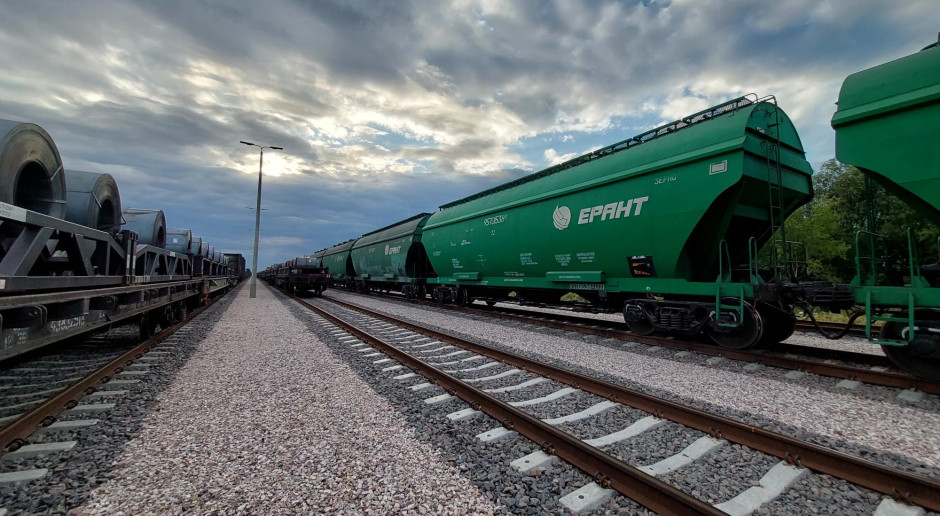
Customs seals are mandatory on both trucks and railway wagons. Electronic seals are linked to the administration’s GPS system, allowing officials to monitor the route and confirm arrival at the declared port or Poland’s external border. Carriers receive a defined period to complete the designated journey. Removing goods from customs supervision may result in fiscal criminal liability and the creation of a customs debt.
No confirmed change in transit policy
Farmer.pl noted that the ministry’s response described existing controls but did not address possible talks or proposals from Ukraine or the European Commission. Ukrainian Deputy Agriculture Minister Vitaliy Holovnia reportedly said that Ukraine had reached an agreement with Polish authorities to increase grain transit by rail to Polish ports significantly. Poland’s infrastructure minister denied that account, saying the ministry was neither conducting negotiations with Ukraine nor planning changes. The conflicting statements leave the prospect of higher transit volumes unconfirmed, while the existing import ban and monitoring system remain Poland’s stated policy.
Full market analysis