PGG chief says group's coal supplies electricity to 5.9 million Poles as 3,500 staff take severance
Polska Grupa Górnicza chief executive Łukasz Deja told the Polish industry portal WNP that more than 5.9 million Poles use electricity generated entirely from PGG coal and almost 5 million receive heat from it. The state-controlled group is in the middle of a restructuring under which more than 3,500 employees will take protective packages and two mining units have entered liquidation this year.
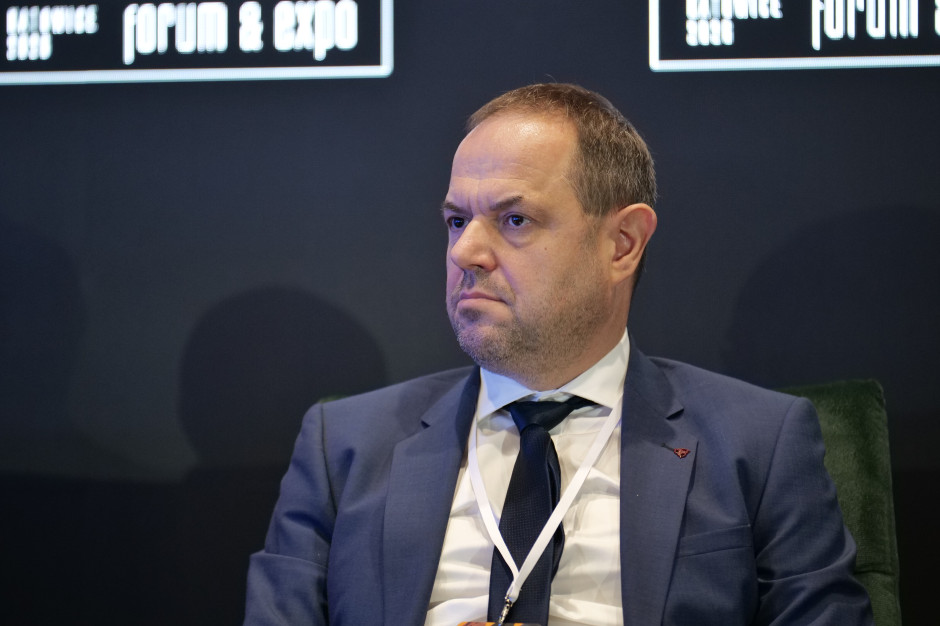
More than 5.9 million Poles receive electricity generated entirely from coal mined by Polska Grupa Górnicza, and almost 5 million are supplied with heat from the same source, the company's chief executive Łukasz Deja said in an interview with the Polish industry portal WNP. The figures were cited as the state-controlled group works through a restructuring that will take more than 3,500 people off its payroll and has already started closing mining units.
One supplier behind millions of power and heat connections
Deja described PGG as the main and largest supplier of thermal coal to the Polish power sector. According to his account to WNP, over 5.9 million Poles take electricity from the socket that is one hundred percent generated from PGG coal, while nearly 5 million receive district heat, or heat supplied outside the district network, from the same coal. He presented those numbers as evidence of the role PGG plays in the country's energy security and in heating Polish homes.
No volume figures, customer names or contract terms were disclosed in the interview. PGG sells to utilities and heating plants, so the pace at which the group withdraws capacity feeds directly into the supply planning of Polish generators and municipal heat producers.
Restructuring: 3,500 protective packages and two units in liquidation
Employees are today the most important issue for PGG, Deja said, adding that the company is in the middle of a restructuring process. More than 3,500 employees will use protective packages, and the company wants those workers to be able to leave the industry with dignity, he said. He also confirmed that the liquidation of two mining units began this year.
- More than 3,500 employees covered by protective packages
- Liquidation of two mining units started this year
- Putting the associated assets to new use named as the next stage, still ahead
Deja gave no timetable for the asset stage and did not say which sites are involved or what the closures mean for the group's remaining output.
Spending concentrated in Poland and Silesia
PGG directs 99 percent of its spending to companies with registered offices in Poland, Deja told WNP, and 66 percent of that goes to companies based in Silesia. He presented the split as a measure of the group's weight in both the regional and the national market. That concentration matters for the mining equipment, services and logistics firms whose order books are tied to a producer that is shrinking its asset base.
Labour market called the biggest challenge
Asked how the restructuring looks from the perspective of the Upper Silesian labour market, Deja acknowledged it is not an easy process. But if it does not succeed in Silesia, then where could it succeed, he said; in Silesia this process has to succeed. He added that employees can feel secure over the period defined in the social agreement.
Securing the position of the workforce is the company's biggest challenge, Deja concluded. The interview did not cover production targets, financial results, or a schedule for closures beyond the two units already in liquidation.