Poland’s coal phase-down exposes widening regional transition risks
Poland’s retreat from coal will affect 66 counties across 11 provinces, but their ability to absorb the economic shock varies widely. An Instrat Foundation report calls for revised mine-closure schedules and more targeted support as coal generation becomes increasingly uncompetitive.
Coal remains dominant, but its economics are weakening
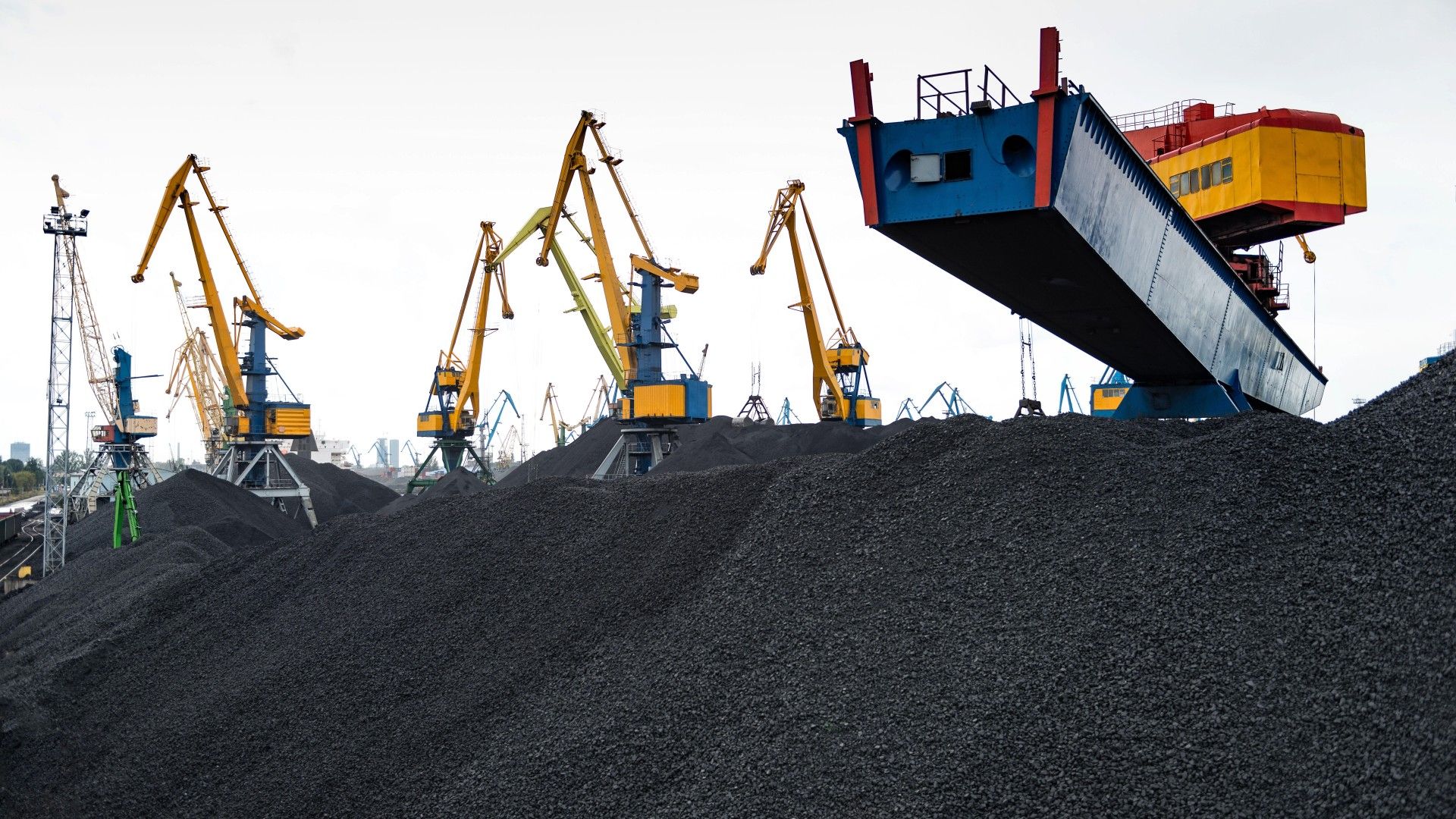
Poland, Germany and the Czech Republic remain the European Union’s largest coal producers and consumers, although their combined output has fallen by about 75% since 1990, Energetyka24 reported. Poland still has the bloc’s most coal-dependent power system: coal supplied more than 50% of its electricity in 2024, compared with about 36% in the Czech Republic and 20% in Germany.
Germany ended hard-coal mining in 2018, while the Czech Republic followed in February 2026; both countries continue to produce lignite. Poland’s mining social agreement envisages hard-coal extraction continuing until 2049. However, the National Energy and Climate Plan indicates that coal’s share of electricity generation could fall to 0–5% by 2040, creating a widening gap between the mining timetable and expected power-sector demand.
Transition reaches 66 counties
The phase-down will affect 66 counties in 11 Polish provinces, according to the Instrat Foundation report “Departure from Coal in Poland and Neighboring Countries.” Instrat divided mining areas into five categories reflecting differences in economic diversity, employment, income and dependence on coal. Counties including Bełchatów, Bieruń-Lędziny, Mikołów, Pszczyna, Wodzisław, Gliwice and Rybnik, as well as the cities of Rybnik, Jaworzno and Żory, were assessed as having relatively strong post-transition prospects because of their more diversified economies and wages close to the national average.
The largest category contains 29 local authorities with broadly average indicators and no clear advantages or severe weaknesses. Large mining-linked cities such as Dąbrowa Górnicza, Gliwice, Katowice, Opole and Tychy generally have stable labor markets, low unemployment, relatively high wages and a high proportion of women in employment. The greatest risks are concentrated in rural areas surrounding major mines and power plants. Despite their proximity to coal facilities, these communities often record higher unemployment, lower household income and weaker entrepreneurship.
Costs accelerate pressure on mines and generators
Most Polish thermal-coal mines face deteriorating profitability as demand declines and extraction costs rise. State-supported companies, including Polska Grupa Górnicza, remain tied to assistance established under the mining social agreement. Bogdanka is the main exception: it is the only large thermal-coal mine operating without subsidies and finished 2025 with net profit of 263.8 million złoty, supported by relatively low production costs and limited methane emissions.
Carbon costs are also narrowing the operating margin for coal-fired generation. In 2025–2026, EU Emissions Trading System allowances represented about €67/MWh for hard coal and €83/MWh for lignite, against wholesale electricity prices of roughly €100/MWh. Poland has secured a temporary exemption allowing existing coal plants to continue receiving capacity-market support until 2028 while new stable, low-emission sources are commissioned. Instrat recommends updating the hard-coal closure schedule, preparing an equivalent plan for lignite and directing future EU budget funding for 2028–2034 and the Modernisation Fund toward the most exposed regions. It also highlights Zgorzelec and Lubań counties, which face significant lignite-related risks but are not covered by the Just Transition Fund.