Poland imported over 10,500 tonnes of cherries in July, at the peak of its own harvest
Polish statistics office data reported by sad24.pl show more than 10,500 tonnes of cherries entered Poland in July, the peak month of the domestic harvest. With 6,000 tonnes imported in June, the two months equal 35% of the estimated Polish crop. Bulgaria led supply ahead of Turkey and Germany.
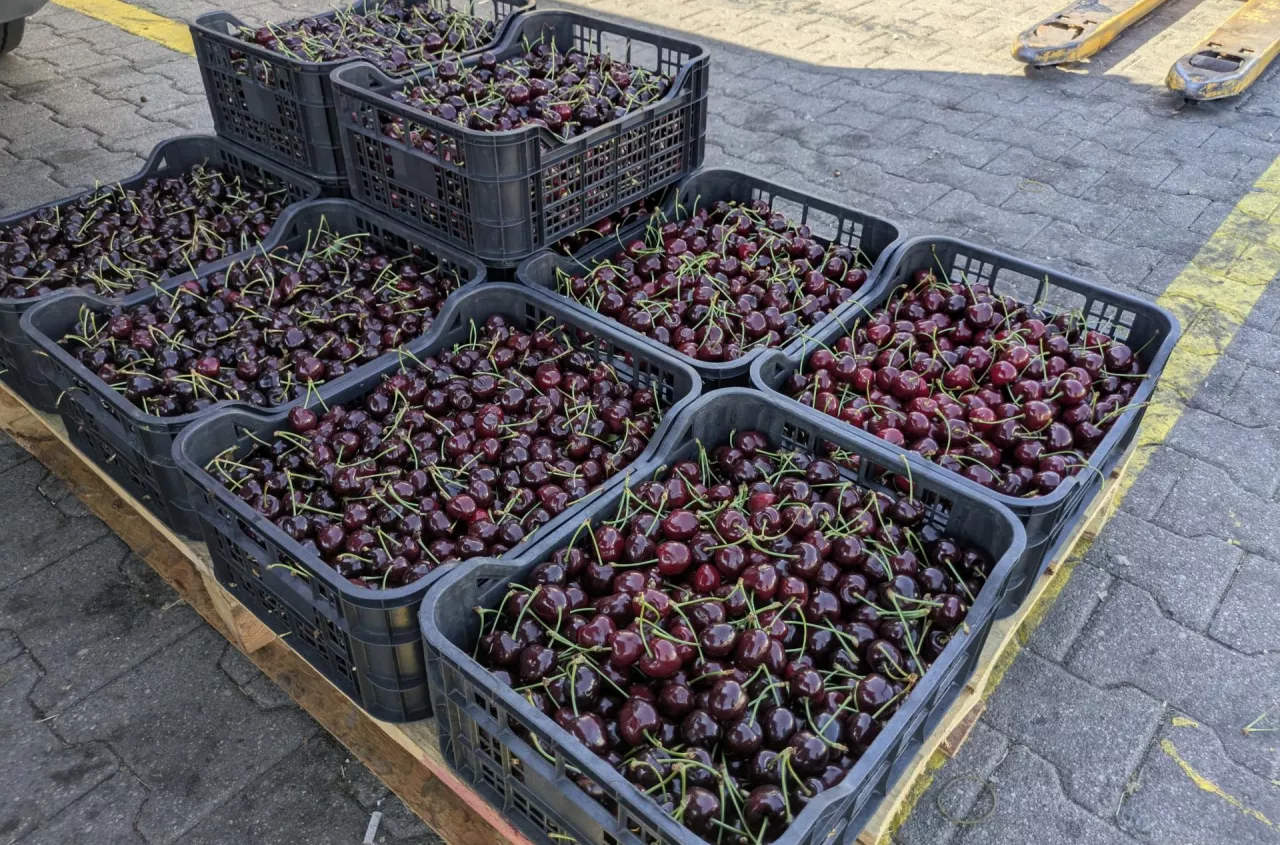
Poland imported more than 10,500 tonnes of cherries in July, the peak month of the domestic harvest, according to data from the Central Statistical Office (GUS) reported by the horticultural outlet sad24.pl. Added to the 6,000 tonnes brought in during June, the two months together equal 35% of Poland's estimated cherry crop for the season.
sad24.pl calls the volume a record for both a single month and a full season. On that basis, more than one in four cherries sold on the Polish market during the domestic harvest was imported. Shipments continued into August, so the final import share will rise once those figures are published.
Bulgaria ahead of Turkey in the GUS data
Cherries arrived from ten countries. The July ranking produced a surprise: Turkey was not the largest supplier, and it did not lead in June either. According to GUS, Bulgaria supplied the most fruit, followed by Turkey and Germany. Growers had seen numerous sales offers for Bulgarian cherries through the summer, which is consistent with that result.
sad24.pl questions how much the country ranking reveals about the true origin of the fruit. Turkish cherries reached Polish supermarkets through German companies, and Germany is not self-sufficient in cherry production. Large volumes of more expensive western fruit moving east are therefore hard to credit, and the outlet concludes that the German line most likely represents re-exported Turkish produce. If so, Turkey's real weight in Polish supply is understated by the statistics.
Supply equal to a bumper crop, prices to match
The commercial consequence is set out plainly in the source: domestic production plus imports added up to the equivalent of maximum yield in a high-output season, and prices behaved accordingly. Polish fruit was difficult to find on retail shelves in July, where imports dominated, and returns disappointed growers.
One price point is cited: bulk Turkish deliveries offered at 1.5 euros per kilogram to a logistics centre. That is the level buyers could secure for imported fruit during the weeks when Polish orchards were picking.
Dispute over who set the market up for imports
A line of argument circulating in the sector holds that the record summer import was the growers' own fault, because from April they warned buyers that frost damage would leave Poland short of cherries. sad24.pl rejects that framing as a convenient explanation that removes responsibility from importers and retail chains for low domestic prices and a poor season.
The outlet puts the counter-case as rhetorical questions: had the Polish crop been estimated to the tonne in May, would buyers have passed up mass deliveries from Turkey at 1.5 euros per kilogram delivered to a logistics centre? And had growers not flagged a short crop, would no Polish company have received attractive offers from Turkey and Bulgaria?
What the season leaves behind
For Polish growers the season closes with two established facts: import volumes at a record level in the middle of their own picking window, and a supply picture in which foreign fruit was the default on retail shelves. Because August arrivals are not yet in the published totals, the 35% figure is a floor rather than a final reading. The sourcing pattern — Bulgarian fruit in volume, Turkish fruit arriving both directly and, on sad24.pl's reading, through German intermediaries — also indicates that buyers now treat the Polish harvest window as contestable rather than reserved for domestic supply.