Polish brewers put cost of proposed total beer advertising ban at 700 million zloty a year
Two bills before Poland's Sejm would impose a total ban on advertising and promotion of alcoholic drinks, including beer, and extend restrictions to non-alcoholic versions. The brewers' association Browary Polskie estimates direct economic costs of at least 700 million zloty a year, spread across media, sports clubs and hospitality. The proposals land on a beer market that has been shrinking for eight consecutive years.
Poland's brewing industry says a proposed total ban on beer advertising would generate at least 700 million zloty in direct economic costs a year, hitting broadcasters, sports clubs and restaurants alongside brewers themselves, according to a report by dorzeczy.pl.
Two bills before the Sejm
Parliament is working on two private members' bills amending the act on upbringing in sobriety and counteracting alcoholism, filed by Lewica and Polska 2050. Both provide for a total ban on the advertising and promotion of alcoholic beverages, including beer. Both also extend the ban to non-alcoholic drinks, although they differ in the detailed solutions.
The sponsors argue the measure is needed to limit the influence of alcohol advertising on young people in particular. Their justification states that exposure to alcohol marketing can increase interest in drinking and encourage earlier initiation, which is why they propose banning the advertising and promotion of alcoholic beverages as well as non-alcoholic products sold under alcohol brands.
A shrinking market and a growing zero-alcohol segment
"The biggest consequences for the brewing sector are tied to a total ban on beer advertising, which is permitted today," Bartlomiej Morzycki, director general of the Union of Brewing Industry Employers – Browary Polskie, told the Newseria agency. He described the proposals as unnecessary over-regulation, arguing that the beer market is already contracting and overall alcohol consumption is falling, so there is no justification for such radical statutory measures.
The National Centre for Addiction Prevention, citing the statistics office GUS, reports that alcohol consumption in Poland came to 8.3 litres of pure alcohol per inhabitant in 2025, down from 8.8 litres a year earlier, with declines across all categories of alcoholic drinks. GUS data cited by Browary Polskie show that sold production of alcoholic beer fell 11.9 percent year on year in the first half of 2026. The beer market is contracting for an eighth consecutive year, having lost more than 7.5 million hectolitres between 2018 and 2025.
Non-alcoholic beer is moving in the opposite direction. On the same GUS data, sold production of alcohol-free beers rose 16.2 percent year on year in the first half of 2026 and 30.1 percent in June alone. CBOS research shows that nearly one in four Poles declares abstinence, and that more than half of those who do drink alcohol also reach for non-alcoholic beers. Speaking at the Economic Forum in Karpacz, Morzycki said that in a survey commissioned by the association almost 60 percent of respondents opposed a ban on advertising 0% beer, adding that consumers clearly distinguish between alcoholic and non-alcoholic products.
Media, sport and hospitality count the cost
The association puts the combined annual value of the effects at at least 700 million zloty. Morzycki broke the figure down as follows:
- more than 200 million zloty in lost revenue for television stations and other media;
- 100 million zloty for sports clubs, since sponsorship of sport would be banned alongside advertising;
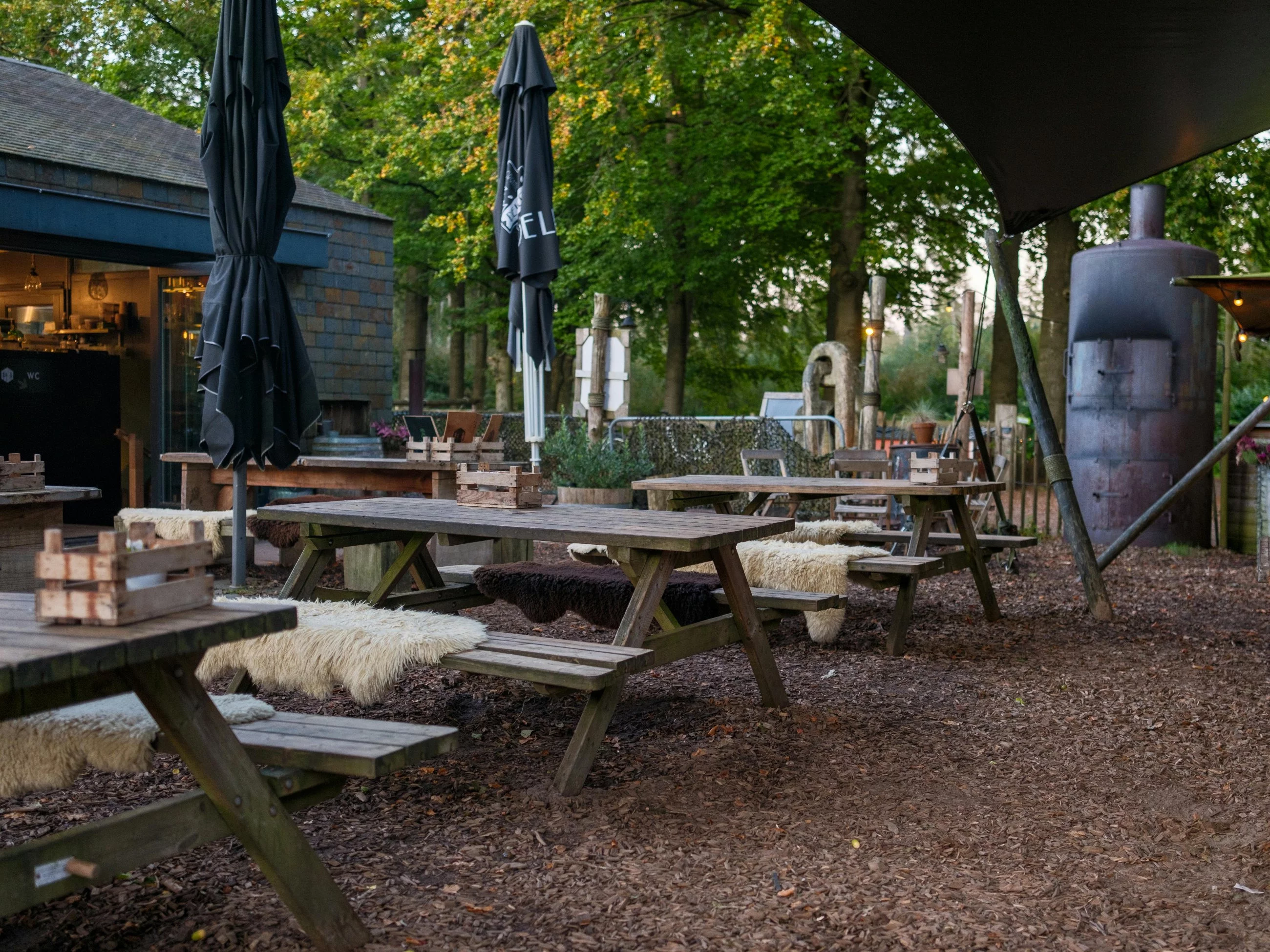
- between 250 and 300 million zloty for restaurateurs and beer-garden operators, who would have to replace tens of thousands of branded parasols.
A shortfall in VAT receipts would follow from prohibiting a form of economic activity, Morzycki said. He added that the entire sphere of the outdoor presence of beer brands, such as a brewery logo on a mug or on a parasol in a garden, could be treated as advertising under the proposed rules.
Grzegorz Knap, a board member of the Institute of Sports Law, said the ban would deprive Polish sport of significant funding that currently flows to clubs, national teams and event partnerships, with consequences for training, development and infrastructure. He noted that no such ban exists in most of Western Europe, so foreign clubs and national teams would continue to receive beer advertising money while Polish ones would not, and that there is no queue of replacement sponsors. According to the Sponsoring Insight report "Sports Sponsorship Market in Poland 2025", the value of sponsorship rights purchased on the Polish sports market reached 1.46 billion zloty in 2024, 7.9 percent more than a year earlier; FMCG companies, a group that includes brewers, accounted for 7.6 percent of that value.
Hops, jobs and the wider supply chain
Bartlomiej Pejo, a member of parliament for Konfederacja, pointed to the consequences for hop growers and other businesses linked to brewing, saying Poland ranks third among hop producers in Europe and fifth worldwide. He argued the changes would hit the entire supply and production chain, including logistics, transport, trade and hospitality, as well as sporting events and sponsorship opportunities, and said adults should decide which products they consume while sales to minors should be restricted.
A report by the Center for Social and Economic Research (CASE) found that the brewing industry generated more than 20.5 billion zloty in value added in 2024, equivalent to 0.56 percent of GDP, and was linked to more than 85,000 full-time jobs. Only about 10 percent of those positions were located directly in breweries, with the remainder in agriculture, trade, hospitality, transport and warehousing.