Poland Advances Phytosanitary Talks to Export Apples to Ecuador
Ecuador is auditing Polish orchards, packing facilities and storage sites as part of negotiations over market access for apples. Domestic production covers only about 14% of Ecuadorian demand, leaving an import market currently served by suppliers including Chile.
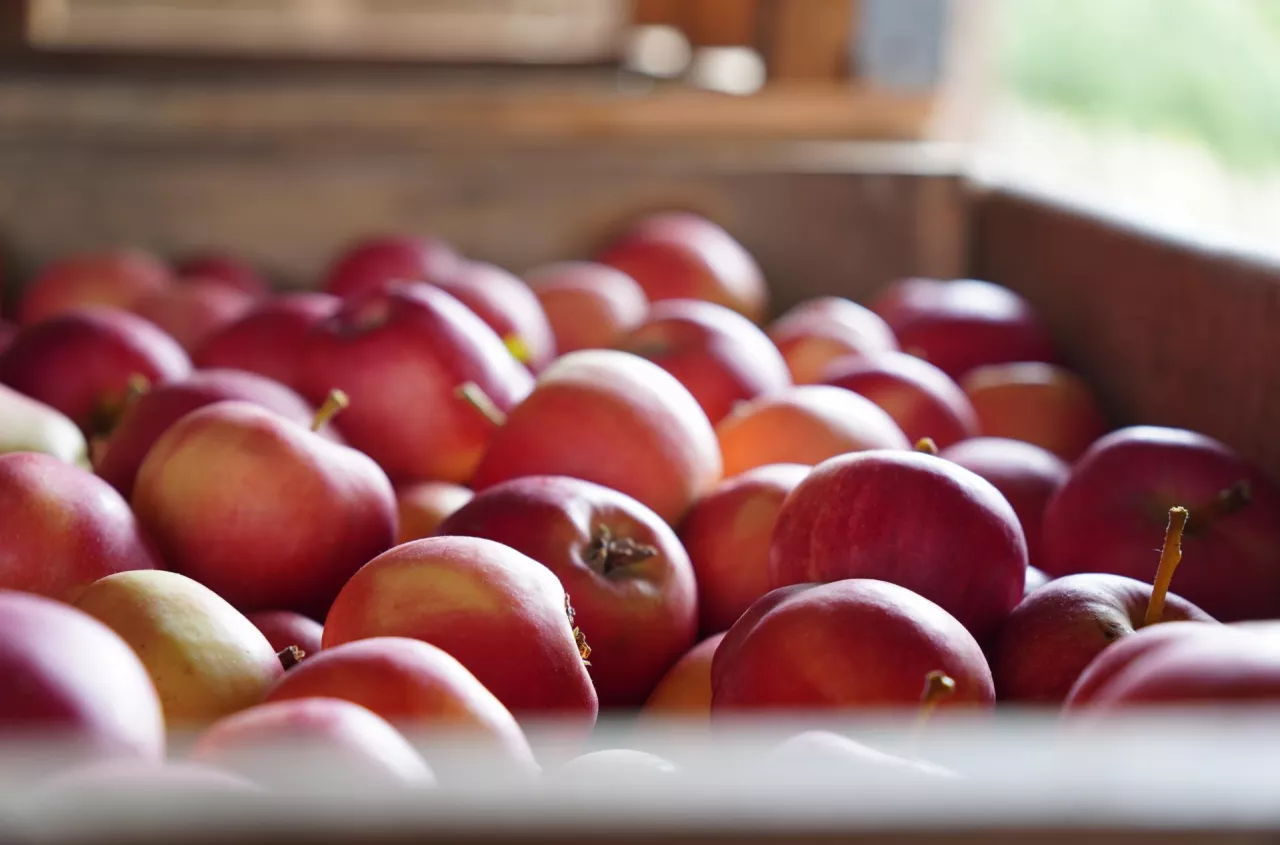
Ecuador audits Poland's apple supply chain
Poland has moved closer to gaining access to Ecuador's apple market after an Ecuadorian delegation began evaluating the country's orchards, packing facilities and cold stores. The inspection is part of a phytosanitary approval process that must be completed before commercial shipments can begin.
Representatives of Ecuador met Polish officials at the Main Inspectorate of Plant Health and Seed Inspection, known as GIORiN, on October 5. According to SadyOgrody.pl, the meeting included GIORiN management, its phytosanitary supervision and international cooperation office, and the Research Institute of Horticulture. Regional plant-health inspectorates and Poland's Ministry of Agriculture and Rural Development participated online.
Visits to apple orchards, packing houses and storage facilities in the Mazowieckie and Łódzkie regions were scheduled from October 6. GIORiN said the inspections would allow Ecuadorian officials to assess in practice the measures used to protect the health of fruit prepared for export. The review covers both primary production and the infrastructure used to sort, pack and store apples.
Approval process started in 2023
Poland has pursued access to the Ecuadorian market since 2023. Sad24.pl reported that GIORiN submitted an apple export application to Ecuadorian authorities in October 2023, together with technical material prepared by the Research Institute of Horticulture in Skierniewice. Ecuador required those documents to conduct a pest-risk analysis and determine possible phytosanitary conditions.
The on-site audit represents another stage rather than final authorization. After the inspection, Ecuador is expected to propose import requirements, followed by negotiations and agreement between the two sides. Poland would then need to implement the agreed rules, register eligible growers and packing facilities, and establish a control system before exports could start.
No date has been announced for completing the procedure, and neither publication reported an expected shipment volume or sales value for Polish exporters. The audit nevertheless indicates that the application has progressed beyond documentary review to direct verification of farms and companies. Compliance at orchard, packing and storage level will determine which operators can participate if access is granted.
Import dependence creates an opening
Ecuador produces only a limited share of the apples it consumes. According to Sad24.pl, domestic orchards have supplied about 14% of national demand in recent years. Production is concentrated mainly in the provinces of Tungurahua, Chimborazo, Cotopaxi, Azuay and Cañar, leaving most of the market dependent on imported fruit.
Chile is already a major supplier. Sad24.pl reported that Chilean exports of Royal Gala apples to Ecuador were worth $26.4 million in 2025, while Granny Smith shipments were valued at another $11.2 million. Royal Gala was also among the most important Chilean products exported to Ecuador. These figures show the scale of established competition that Polish suppliers would face.
For Polish growers and packers, approval would add another destination but would not guarantee immediate sales. Exporters would still need to meet the final phytosanitary protocol, register approved facilities and compete with Chilean fruit on price, quality, varieties and delivery schedules. Ecuadorian importers, meanwhile, could gain an additional source of apples once the regulatory and control systems are in place.