Pfeifer & Langen starts Polish sugar campaign as national output is forecast to fall
Pfeifer & Langen Polska is starting its 2026/2027 processing campaign across four factories as the industry forecasts lower national sugar production. Poland is expected to remain the European Union’s third-largest sugar producer despite the decline.
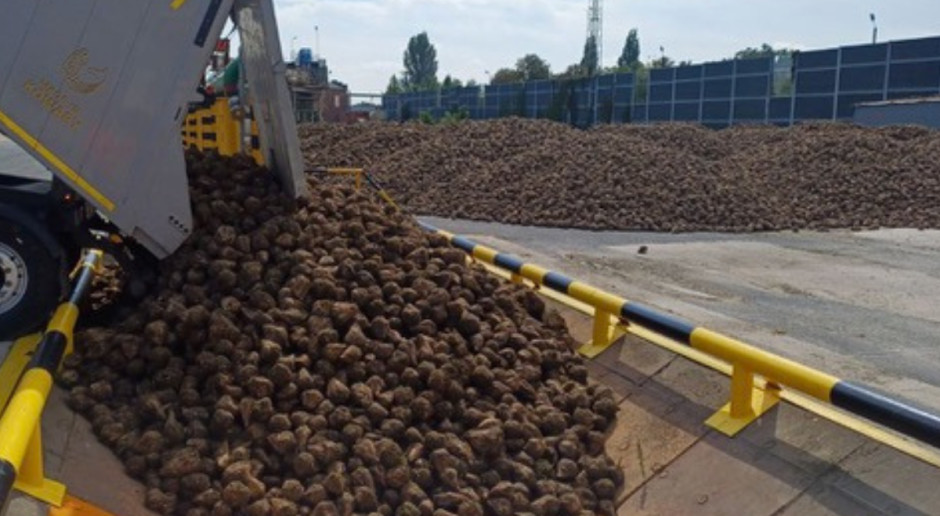
Four factories enter the new campaign
Pfeifer & Langen Polska has begun its 2026/2027 sugar campaign, bringing processing capacity online at its four Polish factories as the national industry prepares for lower production than in the previous season. According to Portal Spożywczy, the plants in Środa Wielkopolska and Gostyń started processing on 26 August. The Miejska Górka factory was scheduled to join them one day later, while the company’s Glinojeck plant was due to start on 29 August.
The staggered opening marks the start of the annual period in which freshly harvested sugar beet is delivered to factories and processed into sugar. The timetable is commercially significant for contracted growers and transport operators because beet must move quickly from fields to processing sites. It also determines when new-season sugar begins entering the producer’s supply chain.
Production expected below last season
The Association of Sugar Producers in Poland forecasts that national sugar production in the 2026/2027 season will be lower than a year earlier, Portal Spożywczy reported. The available forecast does not specify the expected volume or the size of the year-on-year reduction. That leaves the market without a precise measure of how the decline may affect domestic availability, producer inventories or sales during the season.
Even with the expected contraction, Poland is set to retain a major position in the regional industry. It remains the third-largest sugar producer in the European Union. That ranking means the direction of Polish output is relevant beyond the domestic market, particularly for processors, industrial sugar users and traders monitoring supply across the bloc.
A smaller crop-derived output would put greater emphasis on the operating performance of Poland’s factories and on the pace of beet deliveries. However, the published information does not provide data on beet acreage, expected yields, sugar content or weather conditions. Those factors will ultimately determine whether the national decline is modest or has a more pronounced effect on available sugar volumes.
Gas conversion shapes factory operations
The Gostyń, Miejska Górka and Środa Wielkopolska factories are beginning their second campaign after completing a full transition to natural gas. Portal Spożywczy also reported investment activity at Glinojeck and Miejska Górka, without disclosing expenditure or additional capacity figures. Energy systems are particularly important in sugar processing because factories operate intensively during a concentrated campaign tied to the beet harvest.
Pfeifer & Langen Polska is the country’s second-largest sugar producer and sells its output under the Diamant brand. Its four-site footprint gives the company a substantial role in converting Polish beet into refined market supply. The immediate focus for the new campaign will be reliable factory operation and coordinated deliveries across the four locations. For buyers, the more important market signal will come later, when actual processing volumes show how far national production has fallen from the previous season.