Peru and Chile fishmeal output falls 49%, lifting global feed prices to USD 2,500 a tonne
Fishmeal production in Peru and Chile dropped 49% year on year between January and July 2026, with fish oil output down 30%, according to IFFO figures reported by Infobae. International fishmeal prices reached USD 2,500 per tonne FOB in early September, up from levels near USD 1,620. Aquaculture, which absorbs around 70% of global fishmeal, is the most exposed sector.
Fishmeal production in Peru and Chile fell 49% year on year between January and July 2026, according to figures from the Marine Ingredients Organisation (IFFO) reported by Infobae. Fish oil output from the two countries dropped 30% over the same period. The shortfall has already reached the international market for animal feed ingredients and is reshaping formulation decisions across aquaculture, pork and poultry.
A season cut short in the Humboldt Current
The immediate cause is Peru's anchovy fishery. The first north-central season closed after the industrial fleet had taken only about a quarter of the quota set for it, Infobae reported. The closure coincided with the spawning period of anchoveta (Engraulis ringens), the main raw material for fishmeal and fish oil. Warm anomalies in the ocean have compounded the weak catch.
The weight of the two countries in the market makes that outcome global rather than regional. Peru's Sociedad Nacional de Pesqueria (SNP) estimates that Peru and Chile together account for between 40% and 60% of world fishmeal supply and exports. Peru alone, drawing on anchovy biomass in the Humboldt Current, contributes between 20% and 30% of global production in a year of normal conditions. That concentration turns each South American season into a variable for the compound feed industry worldwide.
Prices at USD 2,500 a tonne
The international fishmeal price reached USD 2,500 per tonne FOB in early September, up from levels close to USD 1,620 per tonne, an increase of roughly 54%. Alongside the weak Peruvian catch and the warm-water anomalies, Infobae attributes the move to falling inventories at ports in China, the main destination for South American fishmeal exports.
IFFO has said that stronger fishing activity in China, India and Oman during the final quarter could offset part of the reduction, although the outcome will depend on catches and on how oceanographic conditions develop. China therefore sits on both sides of the balance: it is the largest buyer and one of the origins that could add supply late in the year.
Aquaculture absorbs about 70% of demand
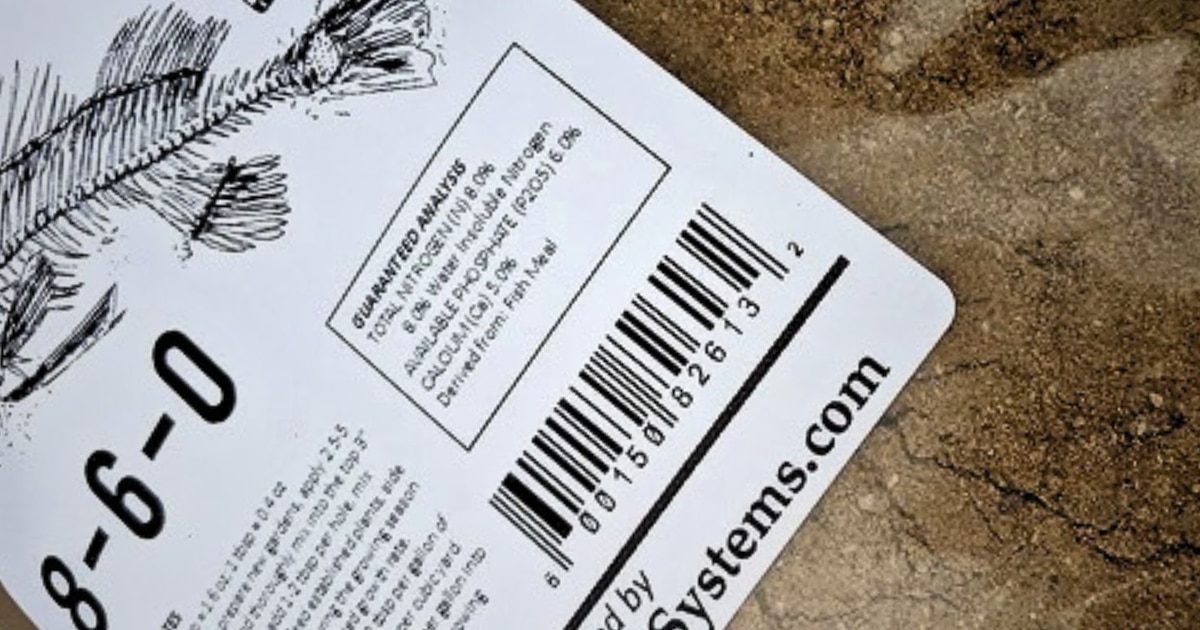
Aquaculture accounts for close to 70% of global fishmeal use. The ingredient goes into diets for salmon, trout, shrimp, tilapia and sea bass, valued for its protein, minerals and omega-3 fatty acids. Fishmeal contains between 60% and 72% protein and shows high digestibility, and it supplies calcium and phosphorus used in feed formulation. A smaller share of output is sold as organic fertiliser for its nutrient content.
Land animal production takes the remainder. Pig producers use fishmeal during the first growth stages; poultry operations include it in certain rations to raise protein content; cattle systems use limited quantities depending on the production model. Those volumes are smaller per animal, but they cover very large herds and flocks, which is why a marine ingredient shortage travels well beyond fish farming.
Feed makers reopen their formulas
Scarcity at these price levels is pushing compound feed manufacturers to revise formulations. Soy protein concentrates are among the most widely used replacements, alongside:
- corn gluten and wheat gluten
- peas and lupin
- insect meal, in particular from black soldier fly, and single-cell proteins produced from microalgae, bacteria and yeasts
None of these is a direct swap. The plant-based options generally require complements to reach the amino acid profiles that fishmeal delivers. Where regulations allow, some diets also incorporate poultry by-products, blood meal, or meat and bone meal.
The higher cost of rations can affect output of farmed fish, shrimp, chicken, eggs and pork. Whether that pressure persists depends on the next anchovy seasons in Peru and Chile and on Asian supply; according to Infobae, those two factors will determine if the price pressure extends through the first months of 2027.