Peru's wholesale brown sugar price rises 45% in a month as climate risk builds over the cane crop
The wholesale price of brown sugar in Peru rose 45% between 5 August and 4 September, from S/2.10 to S/3.05 per kilogram, according to MIDAGRI data reported by Caretas. Researchers at UNALM warn that heat, drought and heavy rainfall during cane ripening can cut sucrose accumulation and industrial yield. La Libertad accounts for around 45% of the country's harvested cane area.
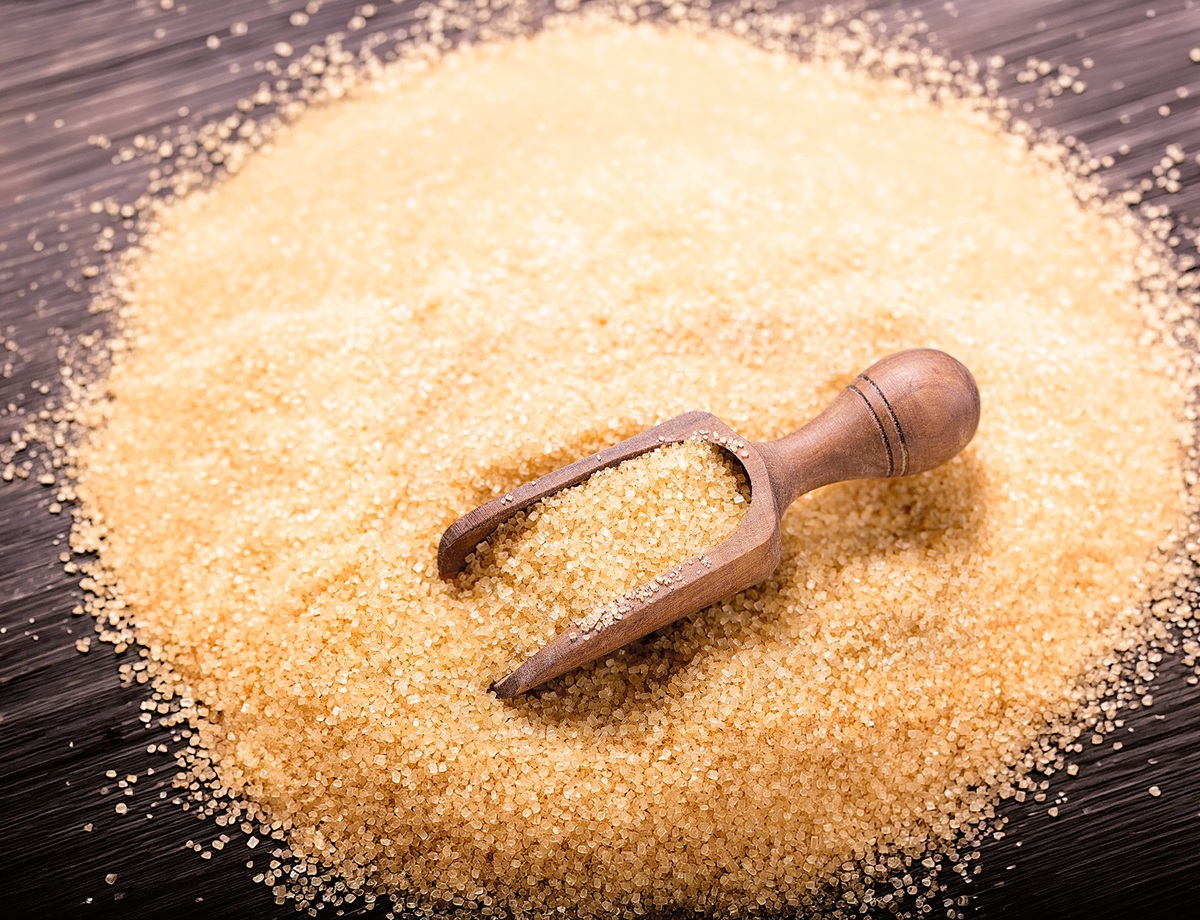
The wholesale price of brown sugar in Peru rose 45% in a single month, and agronomists warn that climate stress on the cane crop could add further pressure. Between 5 August and 4 September the wholesale kilogram moved from S/2.10 to S/3.05, according to figures from the Ministry of Agrarian Development and Irrigation (MIDAGRI) reported by Caretas.
The price increase is the one hard data point so far. What happens next depends on how the cane crop handles heat, drought and heavy rain — variables that researchers at the Universidad Nacional Agraria La Molina (UNALM) say can cut both field productivity and the volume of sugar recovered at the mill.
A 45% move in four weeks
MIDAGRI data cited by Caretas put the wholesale price at S/2.10 per kilogram on 5 August and S/3.05 on 4 September, a gain of 95 céntimos in under a month. The figure refers to the wholesale market.
Jorge Luis Tejada Soraluz, professor at UNALM, told Caretas that a severe climate event does not automatically translate into higher prices, but that a significant contraction in supply could generate fresh pressure on the market.
The ripening window and the 18 °C threshold
Tejada identified cane ripening as the most sensitive stage of the cycle. When night-time temperatures reach or exceed 18 °C, the plant increases its respiratory activity and loses part of its capacity to accumulate sucrose. “When we reach or exceed 18 degrees, the plant works harder at night and no longer accumulates sucrose properly,” he said. Lower sucrose accumulation in the field means less sugar recovered during industrial processing.
The mechanism was examined in research by Manuel Pollack Velásquez, Salomón Helfgott Lerner and Jorge Tejada Soraluz, which studied the effects of the 1982-1983 and 1997-1998 El Niño events using data from the Paramonga and Casa Grande operations. The study identified several channels of damage:
- Excess water during ripening, which interferes with sucrose concentration and industrial yield.
- Prolonged drought and water deficit, which compromise cane development where the crop depends on adequate water availability.
- Higher pest pressure during El Niño episodes, including the cane borer.
- Damage from other insects and from rodents.
La Libertad carries the weight of supply
Exposure is concentrated on the northern coast. La Libertad accounts for around 45% of Peru's harvested cane area, according to sector figures cited by Caretas, which means a single poor season in that region can move the national balance.
Perucaña's 2025 annual report records 77,866 hectares of cane harvested by member companies during the year. Of that total, 67,777 hectares went to sugar production and generated approximately 8.68 million tonnes of cane.
Varieties, and a problem shared with Brazil and India
For Tejada, the sector's central challenge is breeding varieties able to withstand high temperatures, drought periods and intense rainfall, alongside cultivars that reach harvest in shorter cycles. “The development of varieties adapted to climate change will be fundamental to protecting the sector's productivity,” he said.
The exposure is not exclusive to Peru. Large producers such as Brazil and India have also faced crop disruption linked to drought and other climate anomalies, Caretas noted. In the Peruvian market, reduced availability would feed through to prices if it materially affects domestic supply, reaching not only households but also food manufacturers that use sugar as one of their main inputs.