North Sumatra Rice Supply Disruptions May Persist into Early 2027
North Sumatra could face rice shortages and higher prices through the first quarter of 2027 as El Niño threatens harvests and production. The September-October main harvest may provide temporary relief, but local supply is not expected to cover demand through February and the Eid al-Fitr period.
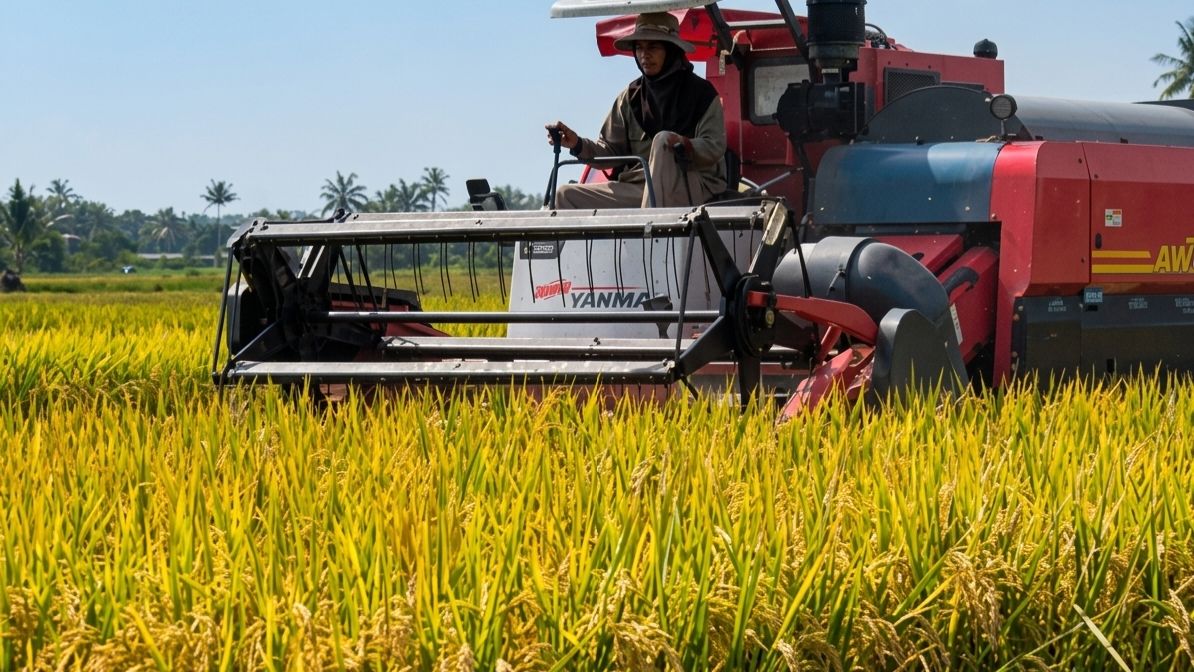
El Niño threatens a prolonged supply squeeze
North Sumatra could continue to face rice shortages and price increases through the first quarter of 2027, according to Media Indonesia. The province's main paddy harvest is projected for September and October, but the resulting local rice supply is not expected to meet household requirements through February and the Eid al-Fitr period.
Gunawan Benjamin, an economist at the Islamic University of North Sumatra, linked the extended risk to El Niño. He cited a forecast from Indonesia's Meteorology, Climatology and Geophysics Agency, known as BMKG, indicating that the weather phenomenon could persist into early 2027. Such conditions could cause crop failures and reduce rice output nationally, including in North Sumatra.
Even if the province maximizes paddy production, Gunawan said on August 20, that would not eliminate the threat of scarcity or higher prices. The outlook makes the coming harvest important as a source of near-term relief, but not necessarily sufficient to stabilize the market for the full period before the next major demand season.
Trade between provinces could drain local stocks
Regional distribution will be a central factor in determining how much of North Sumatra's harvest remains available locally. Gunawan said market mechanisms and trading networks among large wholesalers could redirect rice from North Sumatra to other provinces if neighboring regions suffer crop failures.
That movement could deplete the province's domestic reserves even if production improves during the peak harvest. For producers and wholesalers, shortages elsewhere may create additional demand for North Sumatran rice. For local retailers, food-service companies and consumers, however, the same flows could tighten availability and sustain upward pressure on prices.
Supply constraints are already being reported by rice retailers and modern retail operators in the province. Media Indonesia said the situation had not yet triggered household panic buying, but several rice brands had disappeared from the market. The loss of specific varieties or brands is becoming a business risk for restaurants and other culinary operators that depend on particular types of rice.
Harvests may ease immediate retail pressure
Gunawan expects retail-market conditions to improve within one to two weeks as harvesting begins in several rice-growing centers. That timetable suggests the current disruption may ease before the main September-October harvest reaches its peak.
He nevertheless called for rapid intervention by the state food logistics agency Perum Bulog during the transition. Bulog's role could be particularly important if the arrival of newly harvested rice is uneven across districts or if commercial distribution continues to move supplies toward markets outside North Sumatra.
The distinction between short-term and long-term risks is significant. New harvests may restore products to retail shelves in the coming weeks, while El Niño, possible crop losses and interprovincial demand could keep the broader supply balance vulnerable through early 2027.
Weak data complicates market intervention
Gunawan also criticized the management of rice-supply information by both the government and milling businesses. Availability data at the local level can fluctuate substantially because it depends on weather conditions and farmers' harvest success.
According to his assessment, mapping of production, consumption and rice distribution between provinces is not yet fully accurate. This limits the ability of authorities and market participants to anticipate whether a local harvest will cover consumption, replenish reserves or be drawn into other regional markets.
More integrated supply data would give Bulog and regional authorities a stronger basis for timing stock releases and other measures. Without an effective policy response to El Niño, Gunawan warned that the disruption could weaken North Sumatra's food security through 2027. The immediate test will be whether incoming harvests restore retail availability without being outweighed by losses elsewhere and demand from neighboring provinces.