Nigeria’s rice price falls to N48,000 per 50kg bag after federal import waiver
Rice prices in Nigeria have fallen to N48,000 per 50kg bag as cheaper imports enter under a new federal government waiver. The decline offers relief to consumers but increases pressure on local farmers already facing rising production costs.
Imported rice pushes prices lower
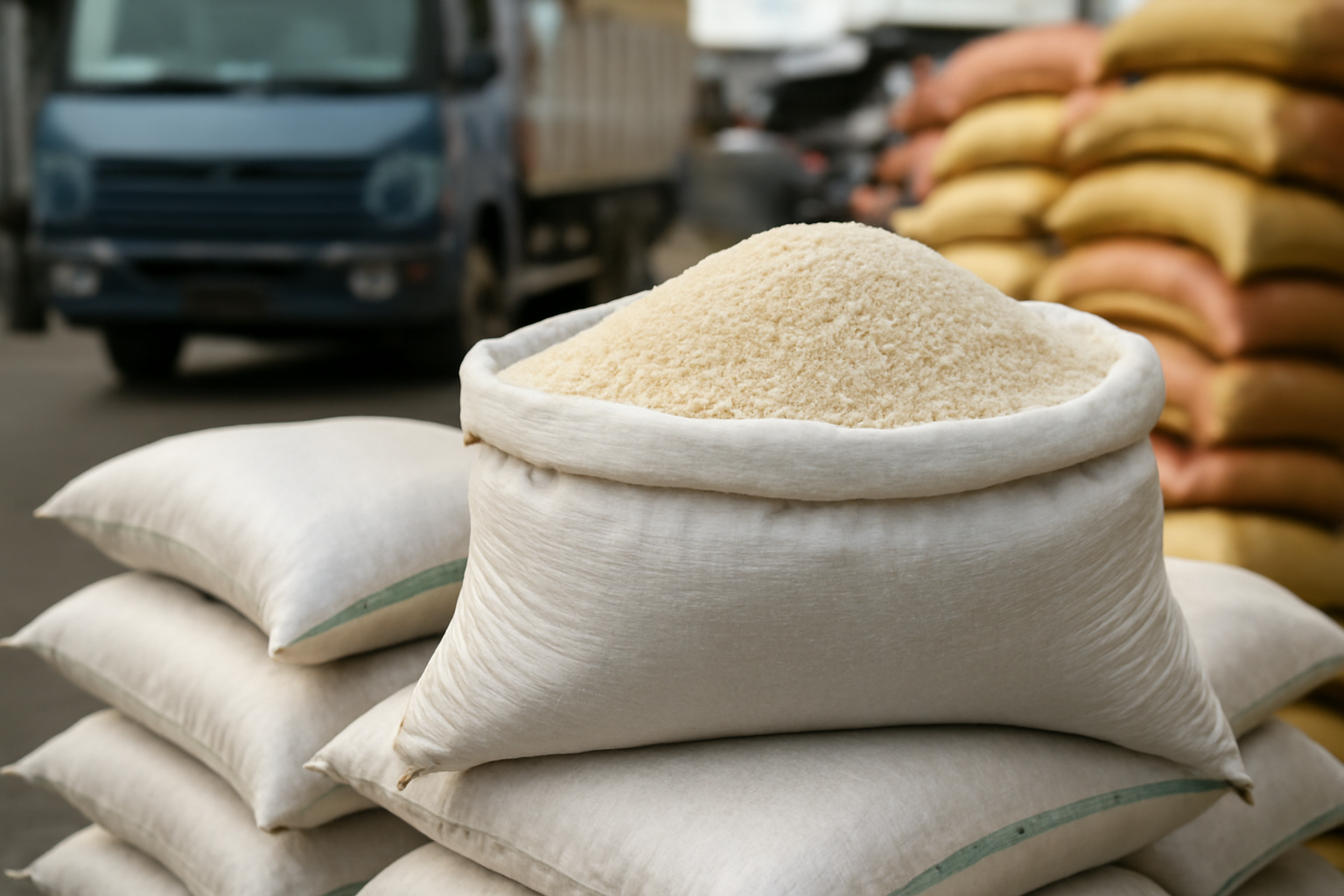
Rice prices in Nigeria have dropped to N48,000 per 50kg bag following the introduction of a new import waiver by the federal government. Cheaper imported supplies are entering the domestic market, increasing availability and pulling prices down from their previous levels.
The decline directly benefits Nigerian households and commercial buyers for whom rice is a significant food expense. A lower price for a 50kg bag can reduce procurement costs for retailers, restaurants, food processors and other large users, while making the staple more accessible to consumers.
The available information does not specify the waiver’s duration, the volume of rice covered or the countries supplying the additional imports. It also does not provide a comparison with the price before the measure. The reported N48,000 level nevertheless shows that imported supply is having a material effect on the domestic market.
Local farmers face a tighter margin
The same price movement is creating difficulties for Nigerian rice farmers. Producers must compete with lower-priced imported grain while their own production costs are rising. That combination reduces the room available to recover spending on cultivation and bring locally grown rice to market profitably.
The effect will vary across the domestic supply chain. Farmers are exposed to weaker selling prices, while processors and traders may benefit from cheaper raw material or finished imported rice. Retailers can offer lower prices, but competition between domestic and imported supplies may also affect inventories and purchasing decisions.
For producers, the central question is whether the N48,000 market price covers the full cost of growing, harvesting and marketing a 50kg equivalent of local rice. No detailed cost figures were provided. Without that comparison, the scale of the pressure cannot be quantified, but rising costs and cheaper imports point to a clear squeeze on farm margins.
Policy creates a consumer-producer trade-off
The waiver highlights the tension between reducing food prices and protecting domestic production. Additional imports can provide relatively quick relief when consumers face expensive staple foods. However, if imported rice remains cheaper than local output, farmers may have less incentive or financial capacity to maintain production.
This matters beyond farms. Local rice cultivation supports processors, transport operators, input suppliers and traders. A prolonged period of weak producer prices could therefore affect activity throughout the domestic value chain, even as consumers and import-dependent businesses gain from cheaper supply.
The eventual impact will depend on details that have not been disclosed in the supplied material, including how long the waiver remains in force and how much rice enters Nigeria under it. Import volumes, domestic production costs and the price paid to farmers will determine whether the decline represents temporary consumer relief or a longer-lasting change in market conditions.
Market participants watch supply and costs
Importers and traders now have an opportunity to serve a market where additional foreign supply has already lowered prices. Domestic producers, by contrast, must decide how much they can sell at the new level while covering rising expenses. Processors purchasing local paddy will also have to weigh support for established suppliers against competition from cheaper imported rice.
For policymakers, the N48,000 price demonstrates the immediate consumer effect of opening the market to lower-cost imports. The unresolved issue is whether local farmers can remain commercially viable under the same conditions. Future changes in import availability and production costs will shape the balance between affordable rice and Nigeria’s domestic supply base.