Nigeria bans raw cocoa bean exports to build domestic processing
Nigeria banned the export of raw cocoa beans on 15 July 2026 to force local processing and capture more value from its crop. As Africa's fourth-largest cocoa producer, the country's move adds friction to global cocoa supply chains.
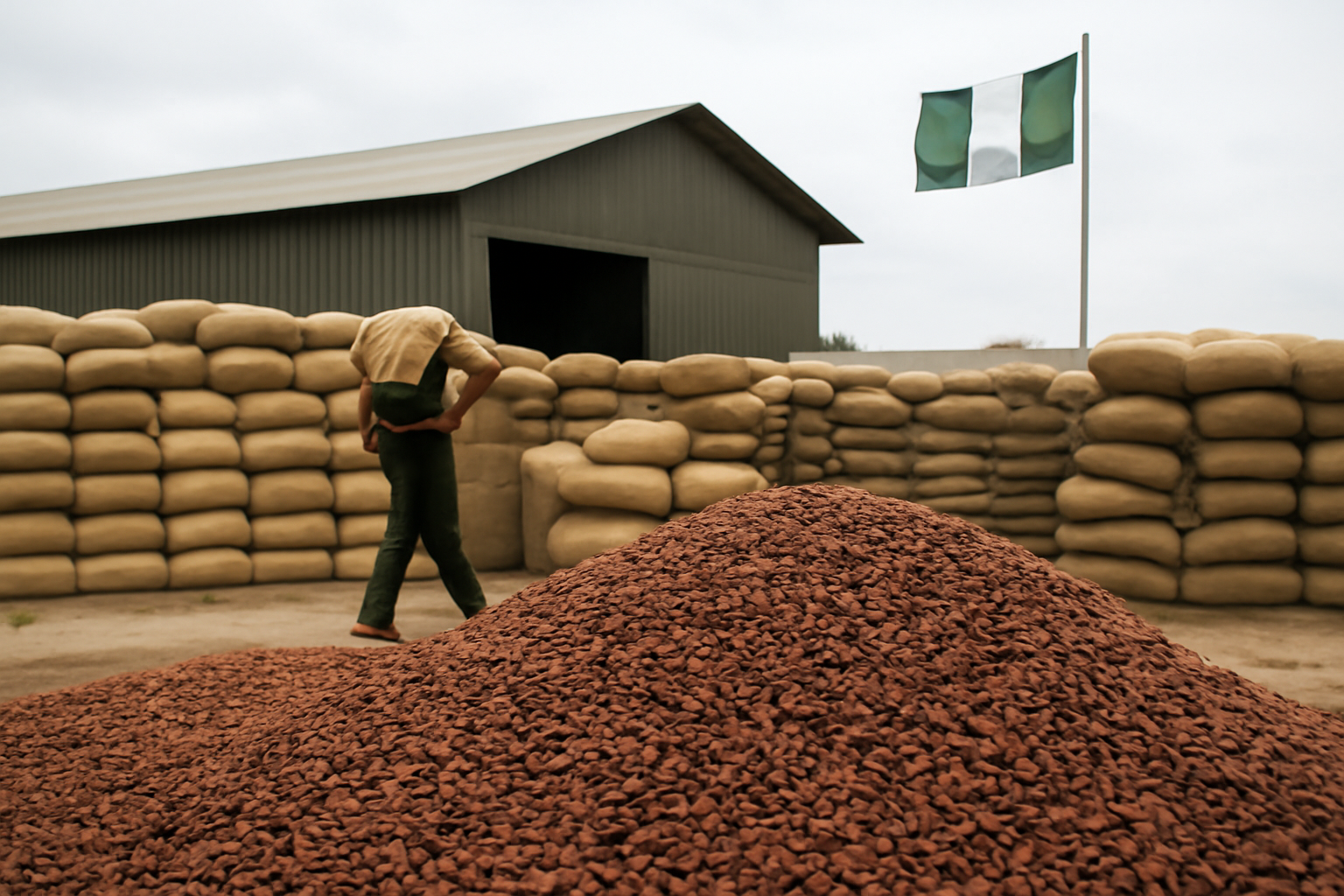
Nigeria bans exports of raw cocoa beans
Nigeria on 15 July 2026 banned the export of raw cocoa beans, moving to keep more of the crop inside the country for processing before it is shipped abroad. The government presented the measure as part of a national plan to process crops locally, build domestic industry and raise the value captured from the country's agricultural output.
The ban targets one of Nigeria's signature agricultural commodities. Nigeria is Africa's fourth-largest cocoa producer, and the bulk of its beans have historically left the country in raw form, bound for grinders and chocolate manufacturers overseas.
Raw cocoa beans are the starting point of a long value chain that runs through grinding into cocoa liquor, butter and powder before ending in chocolate and other consumer goods. Each step adds value, and most of that value has traditionally been created in processing and consuming regions rather than in the countries that grow the beans.
Value addition over raw shipments
The reasoning behind the policy is value addition. Raw beans command far less than processed cocoa products such as butter, liquor, powder and finished chocolate. By closing the door on raw exports, the authorities want companies to invest in grinding and manufacturing capacity inside Nigeria, so that more of the margin, employment and tax revenue stays at home instead of being created in importing countries.
The strategy is not new in West Africa, where governments have long sought to move beyond exporting unprocessed commodities. The obstacles are familiar too: building processing plants requires capital, reliable electricity and steady demand, none of which appear overnight. Until domestic capacity expands, the risk is that farmers face a narrower pool of buyers at home.
Implications for global supply chains
For international buyers, the immediate consequence is reduced availability of Nigerian raw beans on export markets. Processors and chocolate makers in Europe and elsewhere that draw on West African supply must adjust, potentially leaning more heavily on other origins.
- Grinders reliant on Nigerian beans face tighter sourcing and may redirect purchases to other producing countries.
- Nigerian farmers and traders will sell into a domestic market whose processing capacity is still developing.
- The volume and value Nigeria ultimately retains will depend on how quickly local processing scales up.
The measure's success hinges on execution. If Nigeria can process the beans it grows, the ban could shift more of the cocoa value chain onshore. If capacity lags, the policy could weigh on producers before the intended industrial base is in place.