New Zealand forecasts record kiwifruit crop, 122 years after seeds arrived from China
New Zealand is forecasting a record kiwifruit harvest, according to the Times of India, which set the outlook against the 122 years since Chinese gooseberry seeds were first carried to the country in 1904. The report publishes no tonnage, tray count or export value. A larger crop would arrive within the same short Southern Hemisphere shipping window, putting the emphasis on packhouse, cold-storage and reefer capacity.
New Zealand is forecasting a record kiwifruit crop, according to the Times of India, which framed the outlook against the 122 years since the fruit first reached the country. The report does not attach a tonnage, a tray count or an export value to the forecast, and gives no breakdown by variety or growing region.
From a school principal's luggage to a national export crop
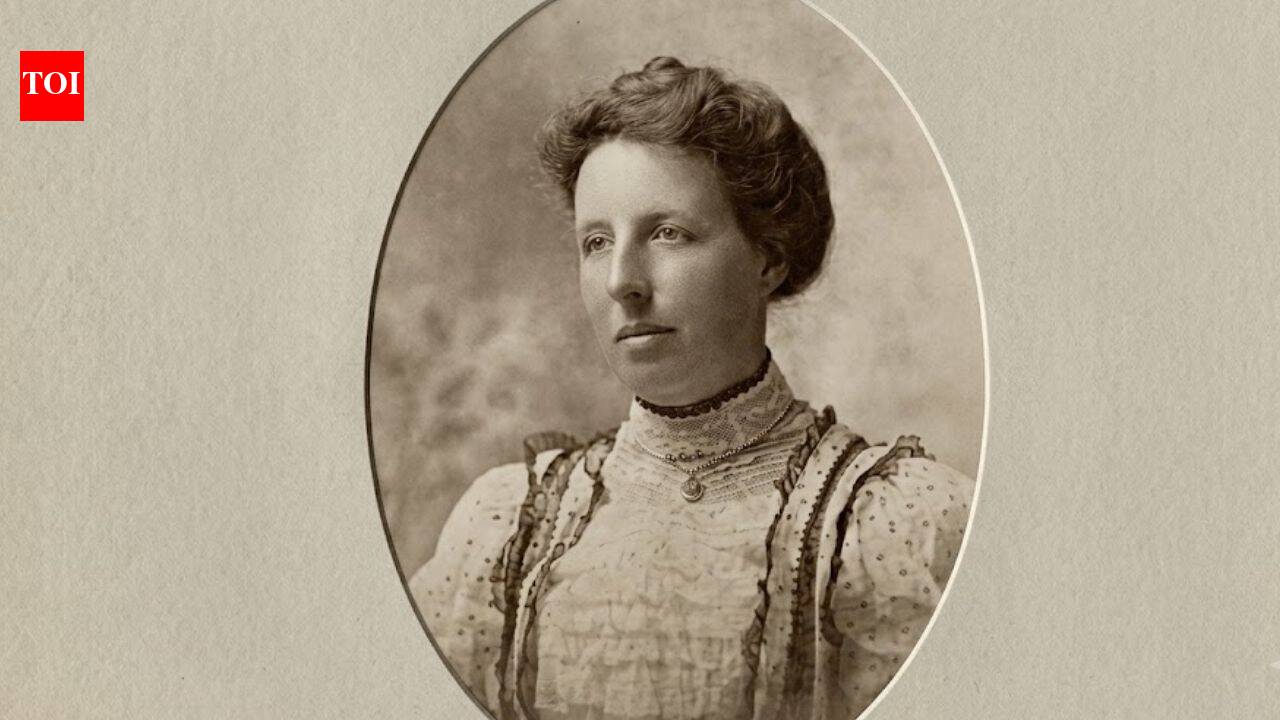
The Times of India traces the origin of New Zealand's kiwifruit sector to 1904. Mary Isabel Fraser, a school principal, returned from a visit to China carrying seeds of the Chinese gooseberry, as the fruit was then known. She gave the seeds to a farmer in Whanganui, on New Zealand's North Island, and the first vines were planted there.
The plant is native to China. Commercial cultivation, however, developed in New Zealand, where the crop was eventually renamed kiwifruit and built into one of the country's most recognisable horticultural exports. A record harvest would come 122 years after those first seeds arrived.
What a record harvest changes for supply
New Zealand harvests in the Southern Hemisphere autumn. That timing is the commercial foundation of the trade: the fruit reaches European, North American and Asian markets when Northern Hemisphere orchards are out of season, and in that window it competes mainly with Chile, the other significant Southern Hemisphere supplier. A larger crop therefore lands inside a defined and relatively short selling period rather than being spread across the year.
For importers and retail buyers, more fruit in the same window usually means easier programme cover and softer pricing at the margin, provided quality holds. For growers, the arithmetic is different: a record volume only converts into a record return if packhouse, cold-storage and shipping capacity keep pace, and if destination markets absorb the additional fruit without discounting. Labour for picking and packing is the other constraint, because the work is concentrated into a few weeks.
Logistics carry much of that risk. Kiwifruit moves chilled, in reefer containers and on specialised charter vessels booked ahead of the season, and the capacity plan is set before the true size of the crop is known. A harvest that overshoots the plan puts pressure on berth slots, cold-chain handling at the port and vessel rotations, and any delay translates quickly into quality losses on a perishable product.
Northern Hemisphere producers, with Italy and Greece among the largest, are affected indirectly. Heavier Southern Hemisphere supply can shorten the tail of the previous northern crop and it shapes the price expectations buyers carry into the following season's negotiations.
What the trade will be watching
- Official volume figures from the New Zealand industry to confirm the scale of the forecast record.
- Packhouse and cold-storage throughput, which caps how quickly a large crop can be moved.
- Reefer container and charter vessel availability during the harvest window.
- Demand in the main destination markets, and whether the additional volume is absorbed at stable prices.
- Seasonal labour supply in the growing regions during picking and packing.
The numbers are still missing
The available report is a general-interest account built around the crop's history rather than a market briefing, and it carries no data on volumes, prices or shipments. Until the industry publishes harvest and export figures, the forecast stands as a direction of travel, a crop expected to exceed all previous seasons, without a measurable size. Buyers negotiating supply for the coming season will need those figures before they can judge how much additional fruit will actually be available and what it should cost.