New-season hazelnuts reach Giresun stalls at 200 TL per kilogram
Producers in Giresun have begun selling the first green in-shell hazelnuts of the new season for 200 TL per kilogram. The opening price is 50 TL above last year’s 150 TL level, signaling firmer early-season pricing in the world’s dominant hazelnut-producing country.
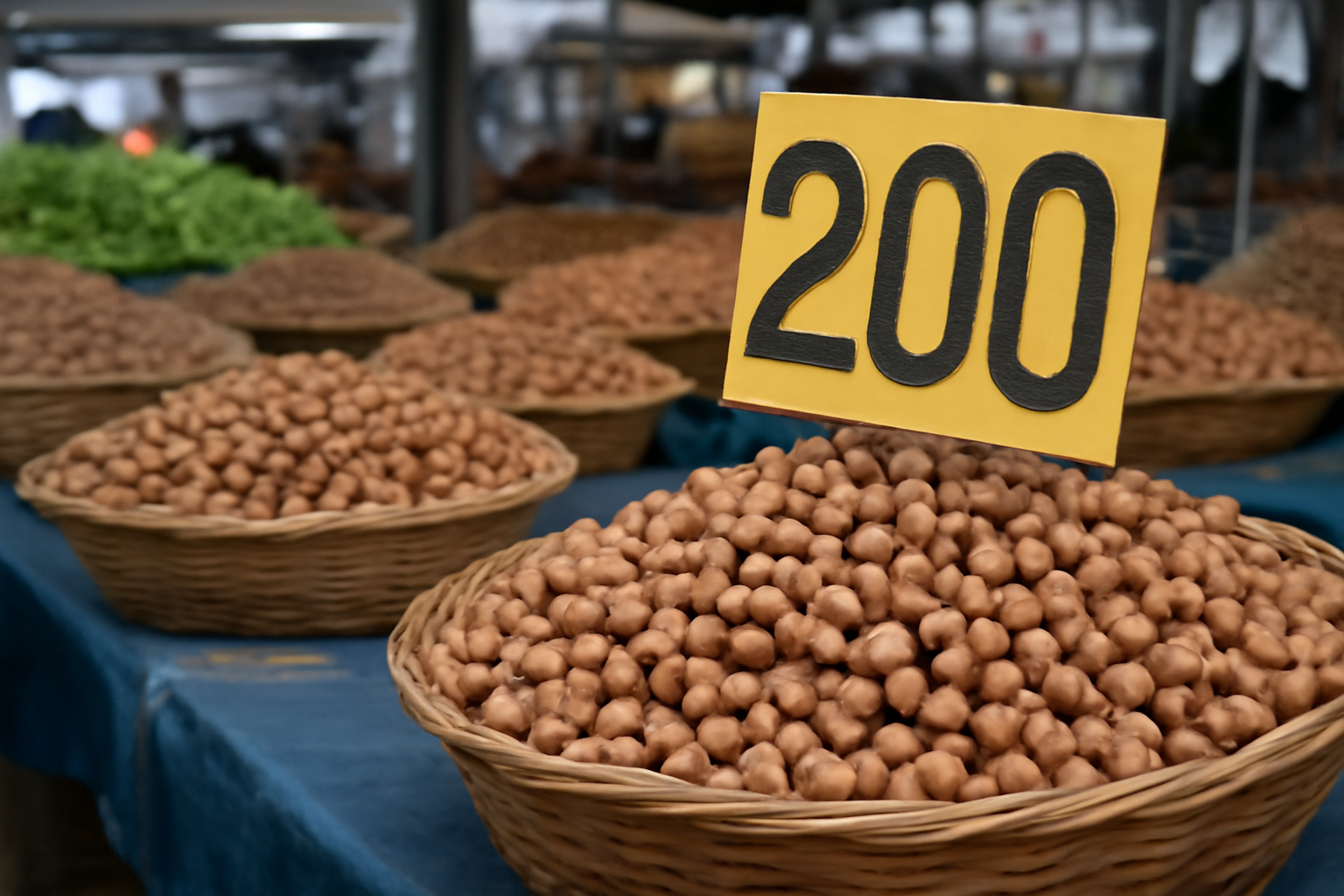
First new-season nuts appear in Giresun
Producers in Giresun have started offering the first hazelnuts of the new season ahead of the main harvest. The green in-shell nuts are being sold from stalls established along the Black Sea Coastal Road, placing the earliest available crop directly in front of local consumers and passing motorists.
The initial retail price is 200 Turkish lira per kilogram. Comparable green in-shell hazelnuts were sold for 150 TL per kilogram last year. The difference is 50 TL per kilogram, equivalent to a year-on-year increase of roughly one-third. The comparison concerns fresh nuts in their green husks, rather than the dried, shelled or processed product normally used as a benchmark in industrial and export markets.
Early price offers a limited market signal
The roadside sales mark the practical opening of the season, but the quoted price should not be treated as a definitive indicator for the entire Turkish crop. Volumes available before the main harvest are limited, while fresh green hazelnuts are sold in a distinct local retail channel. Their price includes the value of early availability and is not directly comparable with grower prices for dried in-shell nuts or with export quotations for kernels.
Even with those qualifications, the move from 150 TL to 200 TL gives producers, buyers and processors an early reference point. Growers will watch whether higher retail prices are sustained when harvesting broadens and more supply reaches the market. Traders and processors, meanwhile, will focus on the prices paid for dried nuts, the quality of incoming lots and the pace at which producers choose to sell.
Turkey’s supply role raises wider interest
Developments in Giresun matter beyond the local market because Turkey holds the dominant position in global hazelnut supply. The country’s crop is central to purchasing decisions by confectionery manufacturers, ingredient processors and international traders. An early increase in local fresh-nut prices does not automatically translate into the same increase for kernels or processed hazelnut products, but it can shape expectations before commercial volumes become available.
The next stage will depend on how the main harvest enters the supply chain. Greater availability may narrow the premium attached to the first green nuts, while producer selling decisions will influence the flow of raw material to traders and processors. For importers and industrial buyers, the more relevant signals will emerge once dried in-shell hazelnuts and kernels are traded in larger volumes. For now, Giresun’s 200 TL-per-kilogram offer shows that the new season has opened with a materially higher local retail price than a year earlier.