Nepal floods sever farm-to-market routes and disrupt essential supplies
Flood-damaged roads have stranded crops in Nepal’s producing regions while restricting deliveries of food, fuel, medicines and other essential goods. Daily arrivals at Kathmandu’s Kalimati market fell 38% from 771 tonnes to 477 tonnes within one day.
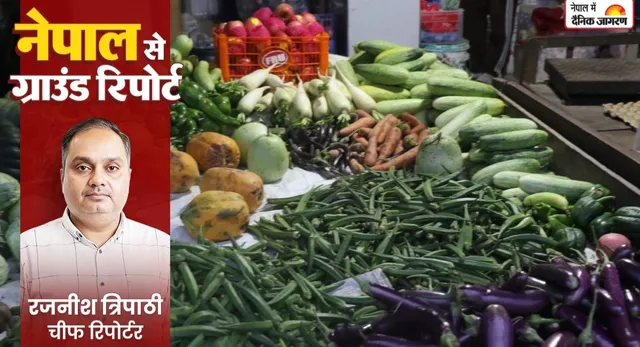
Perishable crops stranded in producing areas
Flooding in Nepal has broken roads connecting farms with wholesale markets, leaving vegetables ready for harvest but without reliable transport. Jagran reports that growers in Deurali and other parts of Nuwakot face the prospect of chillies, cabbage and tomatoes spoiling in their fields because vehicles that normally collect the produce cannot reach them.
The immediate losses extend beyond unsold crops. Flooding from the Trishuli and Bhotekoshi rivers has covered some farmland with sand and silt, creating uncertainty over when affected plots can produce another crop. Farmers therefore face both the loss of current revenue and an unclear timetable for restoring future production.
In Belkotgarhi, farmer Subba Tamang previously relied on vehicles arriving from Galchhi to purchase vegetables at viable prices. That collection link has stopped functioning. Farmer Amrit Prasad Nepal is similarly unable to count on timely pickups, weakening confidence that ready produce can be sold before it deteriorates.
Kathmandu market arrivals fall 38%
The disruption is already visible in Kathmandu. According to Jagran, combined daily arrivals of fruit, vegetables and fish at the Kalimati market fell from 771 tonnes on 26 August to 477 tonnes the following day. The decline of about 38% shows how quickly damage to rural roads can reduce supplies reaching the country’s principal urban market.
The contraction matters for an economy in which agriculture, forestry and fisheries account for 24.03%. The sector’s gross value added is approximately NPR 1,393 billion. Lower wholesale arrivals expose farmers to spoilage and lost income while leaving wholesalers and retailers with less product to distribute.
Road failures are also restricting essential goods entering from India. Heavy freight traffic beyond Muglin has been disrupted, affecting supplies of rice, flour, pulses, edible oil, sugar, fruit, vegetables, medicines, LPG and petroleum products. Shortages of diesel and petrol could also complicate relief and rescue work by limiting the movement of machinery, emergency vehicles and replacement supplies.
Border access and tourism come under pressure
Krishna Prasad Sharma, central vice-president of the Federation of Nepalese Chambers of Commerce and Industry, said a landslide at Krishna Bhir had cut Kathmandu’s connection with other customs offices. He said the Rasuwa customs point had closed and would require at least two years to resume operations. With festivals approaching, prolonged disruption could affect traders, consumers and businesses well beyond the flooded districts.
A trade representative cited by Jagran put India’s share of Nepal’s total trade at about 62.3%. Bilateral merchandise trade between India and Nepal amounted to $9.38 billion in fiscal year 2025-26. The blockage of heavy-goods corridors therefore affects not only local food collection but also a large share of Nepal’s cross-border supply system.
Tourism is facing a parallel shock. Nepal earned NPR 88.66 billion in foreign currency from tourism a year earlier, equivalent to NPR 243 million per day. Following the floods and the stranding of hundreds of tourists on the Rasuwa-Tibet route, the number of foreign visitors fell by more than 50%, Jagran reported. No official estimate of the resulting tourism losses has yet been released. The scale of the total economic damage also remains uncertain, but the simultaneous interruption of farms, wholesale markets, freight corridors, customs access and tourism routes is spreading the impact across several major sources of income.