Myanmar ships about one million tonnes of corn to Thailand under duty-free access
The Myanmar Corn Entrepreneurs Association says the country shipped roughly one million tonnes of corn to Thailand during the February-to-August duty-free window, slightly more than the previous season. With the concession now expired, exporters are turning to the Philippines while FOB prices hold at $240–250 per tonne.
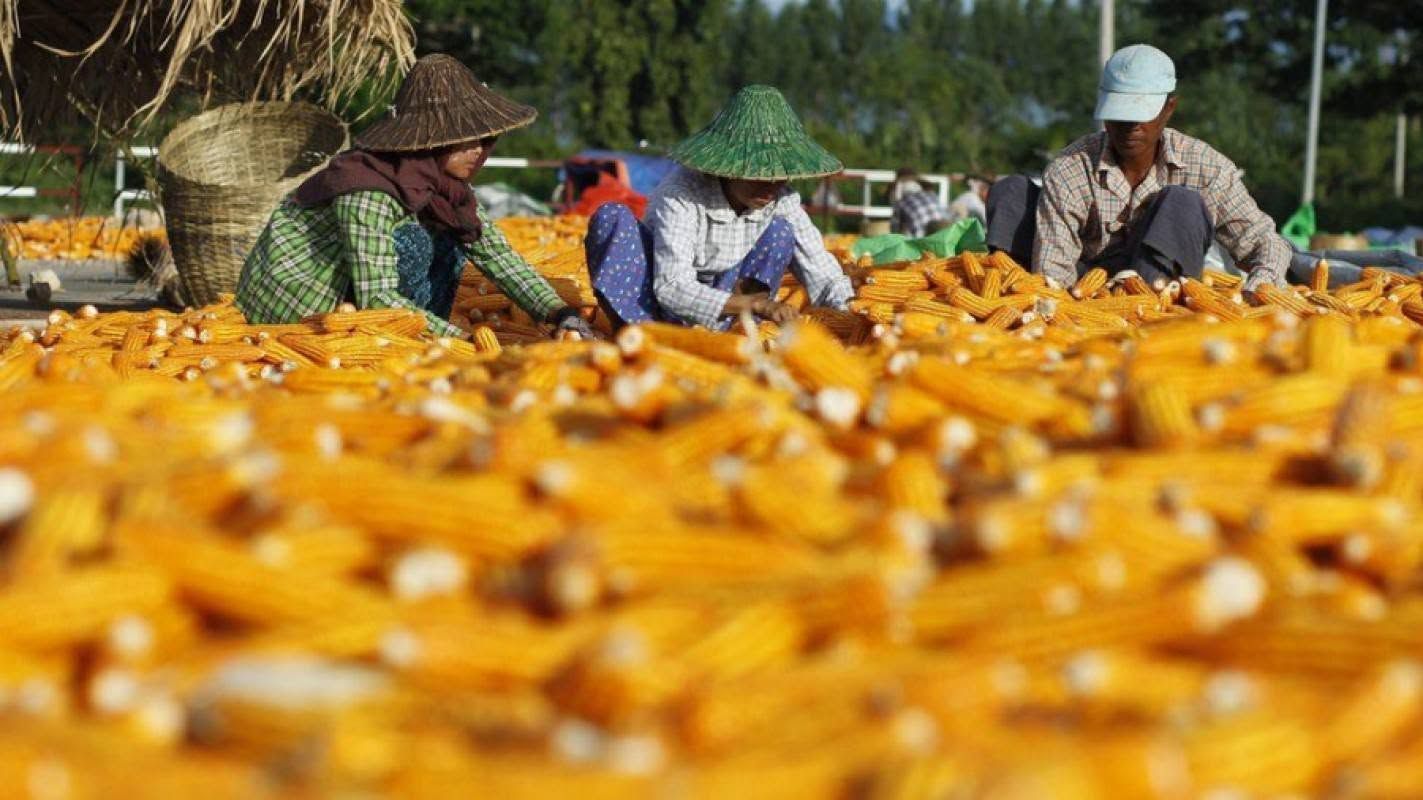
A million tonnes through the annual duty-free window
Myanmar exported about one million tonnes of corn to Thailand under duty-free access, the Myanmar Corn Entrepreneurs Association said in remarks reported by the Democratic Voice of Burma (DVB). Thailand admits Myanmar corn free of import duty every year from February to August, and this season's shipments were concentrated in that seven-month window.
A representative of the association said the country managed to ship somewhat more corn to Thailand this year than in the preceding season. No comparative tonnage for earlier years was given, and the association did not break the total down by route or by month.
The cargo moved through Yangon as well as the Kawthaung, Ranong and Myawaddy border trade channels, according to DVB — a mix of seaborne shipments from the commercial capital, coastal traffic in the far south and overland crossings on the Thai frontier. Spreading a single crop across four gateways matters for exporters, because each has its own vessel and truck capacity and its own clearance times.
Prices stay high after the window closes
The duty-free period has now ended, but prices have not retreated. “Current corn prices remain at the higher end even though the duty-free period is over,” the association representative told DVB. Domestic demand is the main support: purchases by feed mills inside Myanmar have risen, keeping the local market firm.
- Bayintnaung spot quote: 1,480–1,760 kyats per viss
- Export price: $240–250 per tonne FOB, stable
- Duty-free access: February to August each year
- Routes used: Yangon, Kawthaung, Ranong, Myawaddy
On the Bayintnaung commodity exchange in Yangon, grain corn was quoted at about 1,480 to 1,760 kyats per viss, the traditional Myanmar unit of weight equal to roughly 1.63 kilogrammes. FOB export prices have held steady at $240 to $250 per tonne. The spread between the low and high domestic quotes is close to 19 percent, a range that normally reflects differences in quality and moisture between lots.
Philippines takes over as the main outlet
Thailand and the Philippines are the two principal destinations for Myanmar corn. With the Thai concession closed, exporters intend to keep supplying the Philippines and are working on additional markets, the association said.
That shift changes the logistics. Philippine business is entirely seaborne and offers no border-trade alternative, so volumes concentrate on port loadings rather than truck crossings, and cargo has to compete on freight and price without a tariff advantage behind it.
What it means for regional feed supply
For buyers, the seasonality of Myanmar's corn trade is the key variable. The February-to-August exemption effectively sets the export calendar: it coincides with the period when the crop is available and gives Thai feed mills a cheap origin for half the year. Once it lapses, Thai buyers lose the price advantage and Myanmar cargo has to compete on its own economics in other markets.
The price signal suggests supply is not loose. Corn holding at $240–250 FOB after the loss of preferential access, alongside stronger mill buying at home, points to a market where domestic feed demand and export demand are drawing on the same crop. For importers in the region, that argues against expecting discounts on Myanmar origin in the near term; for Myanmar growers and traders, it supports current price levels into the post-window period.