Morocco’s rice imports more than double as domestic production begins to recover
Morocco’s rice imports rose 116% from 54,980 tonnes in 2022 to 118,843 tonnes in 2025, while drought and flooding sharply reduced domestic output. A safeguard investigation will assess whether increased imports have seriously injured local producers.
Imports rise as local output contracts
Morocco’s rice imports more than doubled in three years, rising from 54,980 tonnes in 2022 to 118,843 tonnes in 2025. According to LNT, the 116% increase occurred while domestic rice production was being constrained by successive periods of drought and flooding.
The divergence was even sharper when imports were compared with national output. Imported volumes represented 139.7% of Moroccan production in 2022 and 807.2% in 2025. The increase in this ratio does not indicate that rice consumption grew eightfold. It reflects the combined impact of a collapse in domestic production and higher arrivals of foreign rice.
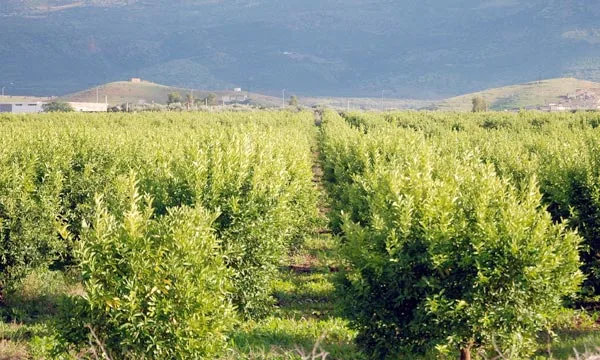
Moroccan rice cultivation is concentrated in the Gharb irrigated area. Water shortages affected planted areas during the drought, while flooding added further pressure in subsequent seasons. The current crop is now benefiting from renewed rainfall and replenished water reserves, with production expected to move higher.
Safeguard investigation targets milled and parboiled rice
The Ministry of Industry and Trade opened a safeguard investigation on April 13 following a request from two operators that account for 78% of national production. The procedure covers milled rice and parboiled rice intended for direct human consumption. Specialized varieties such as basmati are excluded.
The investigation must determine whether the sharp increase in imports has caused, or threatens to cause, serious injury to Morocco’s domestic industry. Establishing such injury is required under World Trade Organization rules before a safeguard measure can be introduced. Domestic producers, importers and foreign exporters had until May 15 to register as interested parties.
LNT said the factors cited for the rise in imports originated outside Morocco. They include abundant global supplies, the easing of export restrictions in producing countries, particularly in Asia, and disruptions in international markets. These conditions increased the availability of foreign rice just as Morocco’s own harvests were under pressure.
Policy decision carries price and production risks
The investigation presents the government with a trade-off between protecting growers and limiting food costs. A safeguard could support domestic producers and help preserve cultivated areas. However, restricting or increasing the cost of imports could raise prices for consumers because national production currently meets only a fraction of demand.
The timing of those effects is also uneven. Any change in import costs can pass through to retail prices relatively quickly, while restoring rice acreage and output would require several growing seasons. Importers, processors and retailers therefore face possible changes in procurement costs before farmers can deliver a substantial increase in supply.
The eventual decision will also test Morocco’s trade-defense framework, which has been used relatively rarely for agricultural products. For the domestic industry, the central question is whether recovering rainfall and water reserves can support a lasting production rebound. For importers and foreign suppliers, the immediate issue is whether the investigation leads to new restrictions in a market that purchased 118,843 tonnes from abroad in 2025.