Morocco's olive harvest seen falling 40% in 2026-2027 from record 2 million tonnes
Morocco's interprofessional olive federation expects production to drop about 40% in the 2026-2027 season, roughly 800,000 tonnes less than the record 2 million tonnes harvested a year earlier. The federation says stocks built during the record crop should prevent shortages or a price spike, though it has not disclosed the volumes available.
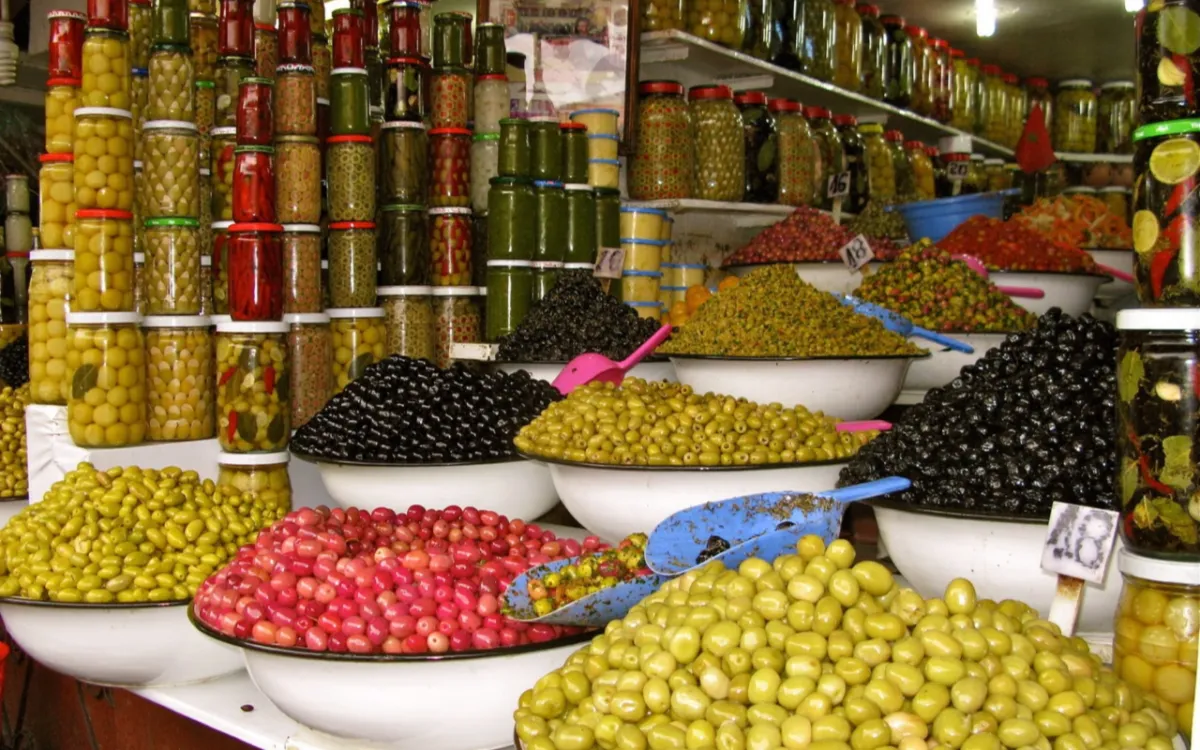
Morocco's olive production could fall by about 40% in the 2026-2027 season, according to the Fédération interprofessionnelle marocaine de l'olive, the country's interprofessional olive federation. Applied to the previous campaign's record of 2 million tonnes, the forecast implies roughly 800,000 tonnes less fruit and an output of around 1.2 million tonnes, bladi.net reported.
A sharp fall from an exceptional base
The federation's president issued the estimate about two months before the start of the harvest, and framed it as a year-on-year decline of roughly 40%. The scale of that drop is inseparable from the size of what preceded it: the previous campaign set a record at 2 million tonnes, an increase of 111% on the year before, after two seasons cut short by drought.
On that arithmetic, a 40% decline would not take Morocco back to crisis-level volumes. bladi.net notes that the coming harvest would mark a step down from an exceptionally productive year rather than a repeat of the drought period, with 1.2 million tonnes still far above the levels the sector worked with when raw material was scarce. For mills, canners and exporters, the relevant comparison is therefore not last season's peak but the multi-year average.
Why the federation expects prices to stay contained
The federation says the decline should not create a shortage or push prices higher, and is counting on the reserves accumulated during the record harvest to keep supplying the market. bladi.net stresses that this is a professional forecast rather than a guarantee, and that the precise volume of available stocks has not been communicated — the single largest unknown in the federation's reasoning.
Beyond the raw tonnage, bladi.net lists several variables that will determine olive oil prices during the campaign:
- the oil yield of the olives at the milling stage;
- the quality of the fruit delivered to the mills;
- harvesting costs;
- the direction of demand.
Trade flows already turned on the record crop
The 2 million-tonne harvest reshaped Morocco's position in the olive oil trade within a single season. The country had begun importing olive oil from Spain to cover its deficit and respond to rising prices for a product in heavy domestic demand. Moroccan purchases of foreign olive oil then collapsed in the first half of 2026, a fall that coincided with the return of the record domestic crop and improved growing conditions, bladi.net reported.
Exports moved in the opposite direction. Data published by the European Commission show Moroccan olive oil shipments to the European Union rose significantly, reaching 841 tonnes between October and November 2024. The olive canning industry also returned to growth on the back of the 2 million-tonne crop, ending two years of crisis marked by scarce raw material, according to bladi.net.
Domestic prices followed the same pattern. bladi.net reported that the historic harvest brought an end to the olive oil price surge that had reached 120 dirhams, imposing an immediate return to more normal levels. A crop of 1.2 million tonnes will test how much of that correction the sector can hold, how deep the carryover stocks the federation is relying on actually run, and whether Moroccan buyers return to foreign supply during the second half of the campaign.