Morocco and Egypt expand fresh produce exports as drought pressures European farming
Drought is increasing pressure on European agriculture and reshaping the region’s fresh produce trade. Morocco and Egypt are strengthening their positions as suppliers to European markets, although the available source material provides no shipment, price or product-level figures.
Drought changes Europe’s supply picture
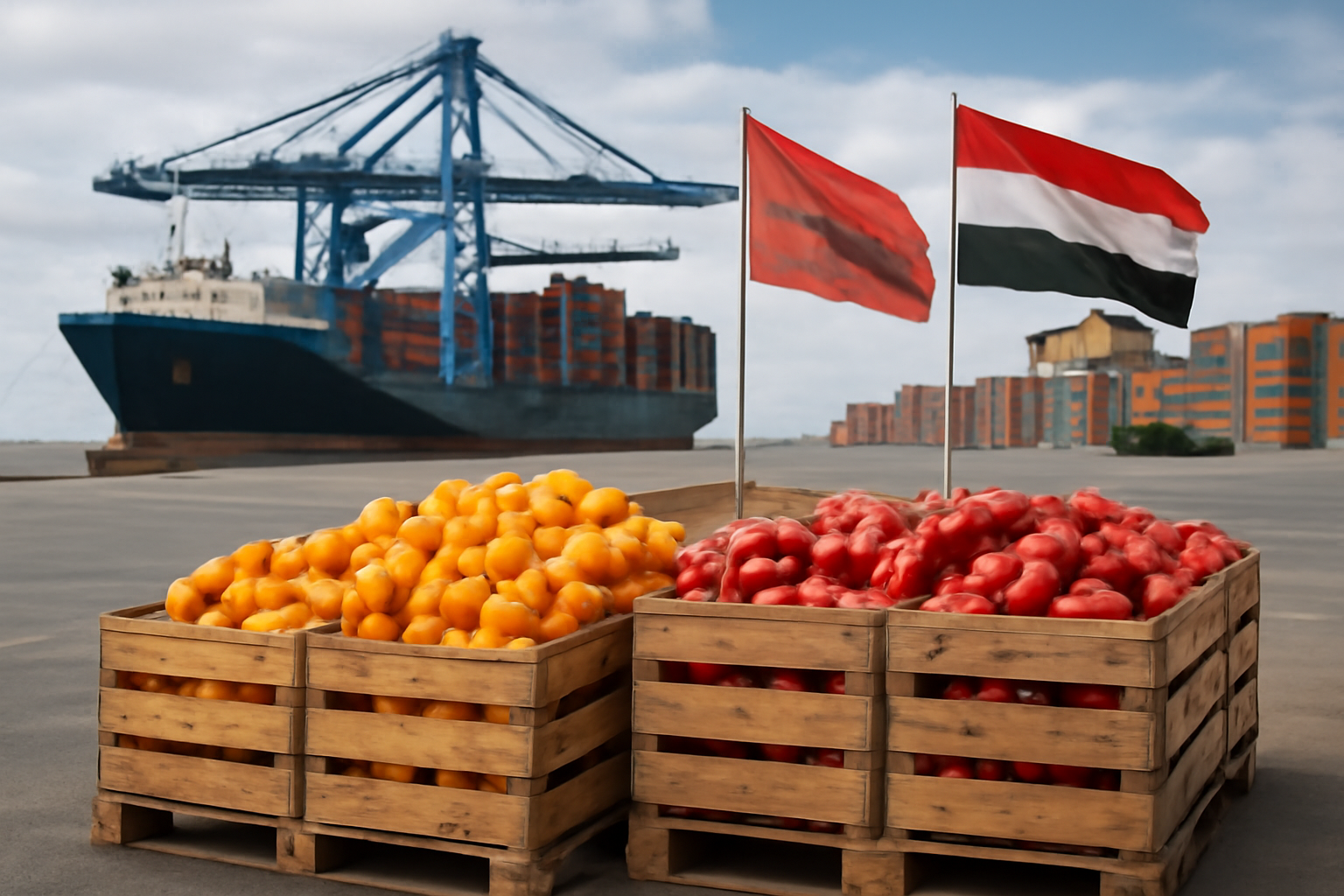
Drought is weighing increasingly heavily on European agriculture and beginning to redraw trade in fresh produce. Morocco is strengthening its exports, while Morocco and Egypt are emerging among the suppliers positioned to serve European demand when local production is constrained.
The shift matters because fresh produce markets depend on seasonal availability, predictable harvests and short delivery times. When drought reduces or disrupts European output, buyers must secure alternative supplies while maintaining quality and continuity. Nearby producing countries can therefore become more important to wholesalers, retailers and food-service companies.
The available source material does not identify individual fruits or vegetables, shipment volumes, prices, destinations within Europe or the period over which exports increased. It also provides no figures showing how much market share Morocco or Egypt has gained. The direction of trade is clear, but its scale cannot be quantified from the information provided.
Morocco and Egypt gain relevance
Morocco’s expanding role reflects its position as a fresh produce supplier close to Europe. Egypt is also identified as one of the countries benefiting as drought alters European sourcing. For importers, the attraction is not simply additional volume: suppliers outside the affected production areas can help fill seasonal gaps and reduce dependence on a single harvest region.
For Moroccan and Egyptian producers and exporters, stronger European demand can create opportunities to place more output in nearby markets. It can also raise the commercial importance of reliable grading, packaging, transport and delivery schedules. Fresh products have limited tolerance for delays, making logistics performance central to whether exporters can retain new business.
European growers face the opposite pressure. Lower or less predictable production can weaken their ability to supply established customers consistently. Traders and processors may respond by broadening their supplier base, but imported produce must still meet buyers’ specifications and applicable European requirements.
Trade response depends on the next harvests
The development does not by itself establish a permanent redistribution of the market. Export gains linked to drought may narrow if European growing conditions improve, while repeated production problems could encourage buyers to maintain more diversified sourcing arrangements. The durability of Morocco’s and Egypt’s gains will therefore depend on both European harvests and their own ability to supply consistently.
Industry participants will need product-specific data before assessing the full commercial effect. Shipment volumes, seasonal timing, destination markets and prices would show whether the change represents temporary gap-filling or a broader gain in supplier share. For now, the reported trend indicates that drought is giving North African exporters a larger role in Europe’s fresh produce supply picture.