Morocco authorizes imports of US pork casings under new sanitary rules
Morocco began accepting pork casings from approved US establishments on 14 August 2026. The measure creates a new route for American suppliers but does not constitute general market access for US pork meat.
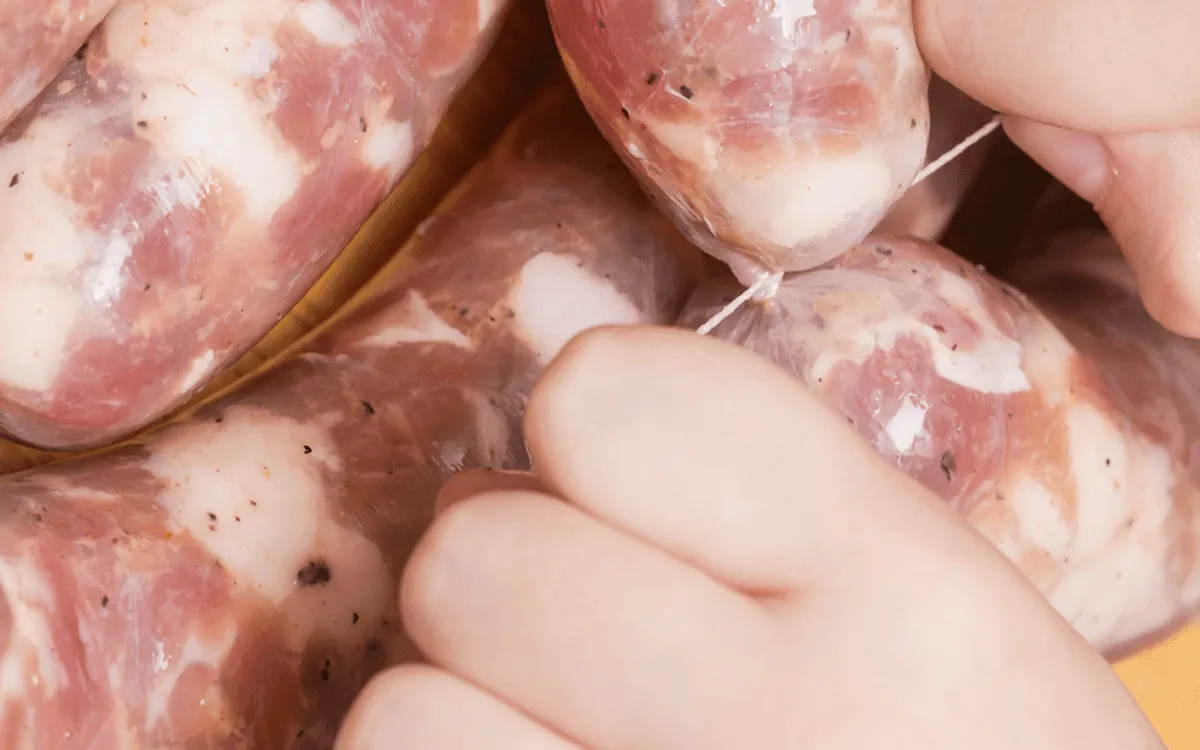
Access takes effect under plant approval system
Morocco has authorized imports of pork casings from the United States, opening a narrowly defined market for American suppliers under sanitary controls. According to Bladi.net, the measure took effect on 14 August 2026 and was formally announced one week later in an update from the inspection service of the US Department of Agriculture.
Market access is not automatic for every US producer or processor. Each establishment seeking to export pork casings to Morocco must submit FSIS Form 9080-3 to the US administration and obtain inclusion on the list of eligible facilities. The requirement makes establishment approval a prerequisite for shipments and gives Moroccan authorities a traceable group of authorized suppliers.
Authorization is limited to casings
The decision applies specifically to pork casings and does not represent general authorization to export US pork meat to Morocco. It also provides no evidence that imported casings will be used in sausages sold to Moroccan consumers. The distinction is important for meat processors and traders assessing the commercial scope of the announcement.
The US notice does not specify whether future consignments will enter under the same temporary-import and re-export arrangement previously described for Russian casings. Without further information from Morocco's National Office for Food Safety, known as ONSSA, or from Moroccan industry representatives, neither systematic re-export nor sale on the domestic market can be assumed.
Russian shipment provides industry context
The US opening follows controversy over a shipment of Russian pork casings from the Kursk region that arrived in Morocco several months earlier. Morocco's National Association of Casing Exporters said those goods had been imported temporarily for processing and would then be re-exported in full. Industry representatives also said the Russian casings did not match the shapes or dimensions used by the local market.
According to Moroccan professionals cited by Bladi.net, domestic sausage preparations use casings from sheep, goats or cattle slaughtered in Morocco. They said the casing-processing industry has operated for more than 20 years under ONSSA supervision, separating its export-oriented processing activity from products intended for local consumption.
A specialized processing opportunity
Industry estimates cited by Bladi.net indicate that around 20 Moroccan companies process approximately 20,000 tonnes of casings annually for foreign markets, including Europe, the United States and Japan. That existing capacity could offer US suppliers a specialized outlet if approved plants can meet Moroccan documentation and sanitary requirements.
The immediate opportunity therefore lies in supplying an established processing industry rather than gaining broad access to Morocco's consumer pork market. Commercial volumes, end uses and customs arrangements for US consignments remain undisclosed. Exporters will need to secure facility eligibility and clarify with buyers whether shipments are intended for processing and re-export or for another authorized channel.