Moroccan orange exports to Germany rise 150% in 2025-2026 campaign
Moroccan orange exports to Germany increased 150% during the 2025-2026 campaign. The gain strengthens Morocco’s position in the European citrus market, although the available information does not specify shipment volumes or values.
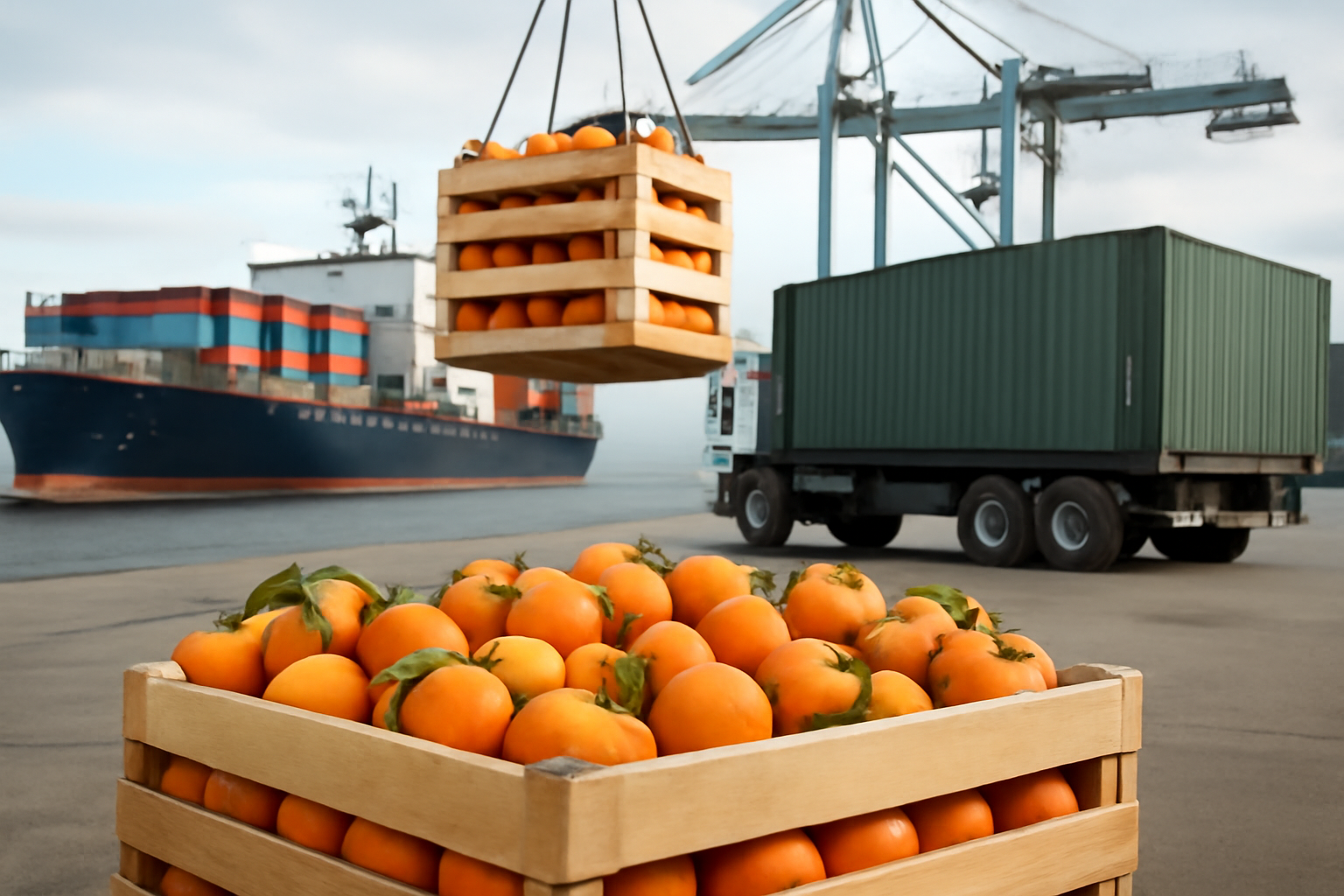
Morocco expands orange sales in Germany
Moroccan orange exports to Germany rose 150% during the 2025-2026 campaign, marking a sharp advance for the North African supplier in one of Europe’s major consumer markets. The increase indicates that Moroccan citrus exporters gained substantial ground in Germany within a single season.
The available information does not provide the physical volume or value of the shipments. It also does not identify the comparison period in calendar dates beyond describing the change as occurring over one campaign. The reported percentage therefore shows the pace of growth but does not establish Morocco’s absolute share of German orange imports.
Even with those limitations, a 150% increase is commercially significant. It means shipments reached two and a half times their previous level. For Moroccan growers, packing houses and exporters, the result points to stronger access to German buyers and distribution channels. For German importers, it signals a larger role for Moroccan fruit in seasonal sourcing.
European citrus competition intensifies
The expansion comes as Morocco continues to gain ground in the European citrus market. Germany is an important destination because sales there can connect exporters with large retail, wholesale and logistics networks. A rapid increase in one campaign can improve supplier visibility, but maintaining that position depends on consistent quality, delivery schedules and commercial relationships.
The reported gain may also affect competition among suppliers serving Germany. A larger Moroccan presence gives importers another source of oranges and can influence purchasing decisions during the Moroccan marketing window. However, no price data were supplied, so the increase cannot be linked conclusively to changes in wholesale prices, retail demand or competitors’ availability.
No information was provided on orange varieties, shipment months, transport routes or the balance between conventional and other market segments. These details would be necessary to determine whether the increase was broad-based or concentrated in a particular product category or part of the campaign.
Exporters face the test of maintaining gains
The next commercial question is whether Morocco can retain the additional business. A single-campaign surge can reflect new contracts, improved supply, stronger demand or changes in competing origins, but the available material does not identify the drivers. Exporters and investors will therefore need shipment and market-share data before treating the increase as a lasting shift.
For producers and processors, higher exports can support demand for harvesting, sorting, packing and cold-chain services. The benefits depend on the actual tonnage and returns achieved, neither of which was disclosed. Growth in percentage terms is most valuable when it is accompanied by sustainable margins and repeat orders.
For German buyers, the 2025-2026 result makes Morocco a supplier to watch more closely. Future campaign data will show whether the 150% jump created a durable position or represented an exceptional season. For now, the increase provides clear evidence of rapid Moroccan progress in Germany, while leaving the scale and financial impact of that progress unresolved.